

What if the symptoms you’re trying to fix are telling you something more important?
You may think this is an article about your hair. And perhaps that’s part of it, too. But I’m talking about something deeper: the roots of the things you’re struggling with in your health and your life. Digestive problems. Difficulty sleeping. Persistent fatigue. Not finding the time to exercise. Knowing what foods would nourish you but repeatedly reaching for whatever is convenient. These challenges can have more than one cause. And sometimes, focusing only on the symptom means we miss an important part of the picture.
Until we understand what’s contributing to a problem, it’s difficult to make changes that last.
That doesn’t mean years of digging into your past or analyzing every decision you’ve ever made. Sometimes it begins with something much simpler: becoming curious about yourself.
- What triggers you?
- What patterns have you carried forward from childhood?
- What do you reach for when you’re stressed, exhausted, lonely, or overwhelmed?
- And which of those patterns are still serving you today?
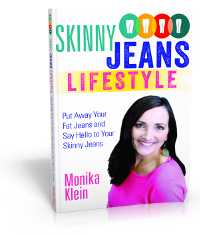
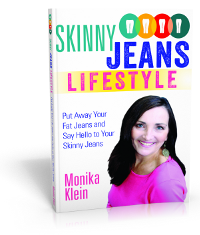
In my book Skinny Jeans Lifestyle, I explored this idea: it’s not always about what you’re eating. Sometimes, it’s about what’s eating you. That distinction can change the way you approach your health.
Yes, Even I Ate the Donuts
I’m currently writing my third book, and one of the more poignant stories is called The Donut Story. It takes me back to the years I spent caring for my husband, Dennis. Our home had become what I called a hospital at home. We had caregivers helping with his care, including an evening caregiver whose good friend owned a donut shop. Every so often, the caregiver would arrive with a big pink box of donuts. Sometimes it held half a dozen; sometimes a dozen or even two dozen.
Now, I’m a clinical nutritionist with more than 30 years of experience. I know a thing or two about food and health. But I was also a wife caring for a husband whose health was declining, whose needs were increasing, and whose hospitalizations added another layer of uncertainty to our lives. By seven or eight in the evening, I often had very little left to give. The donuts were there. They looked good. And I ate one.
Then another…
Sometimes I froze the rest, only to find myself thinking about them later when the stress felt overwhelming. I knew what I was doing. But knowing what to do and having the energy and emotional reserves to do it are two different things. I was experiencing decision fatigue. I was exhausted. I was carrying an enormous amount of responsibility, and sometimes I simply didn’t have the reserves to make another thoughtful choice.
That experience reminded me that health isn’t about knowing better all the time. It’s about understanding what is happening beneath our choices.
I haven’t had a donut since those days, and I have no particular desire for one. But the point isn’t that I conquered donuts or that I never make a less-than-ideal choice. The point is that I was human. And so are you.
Health Isn’t About Being Perfect
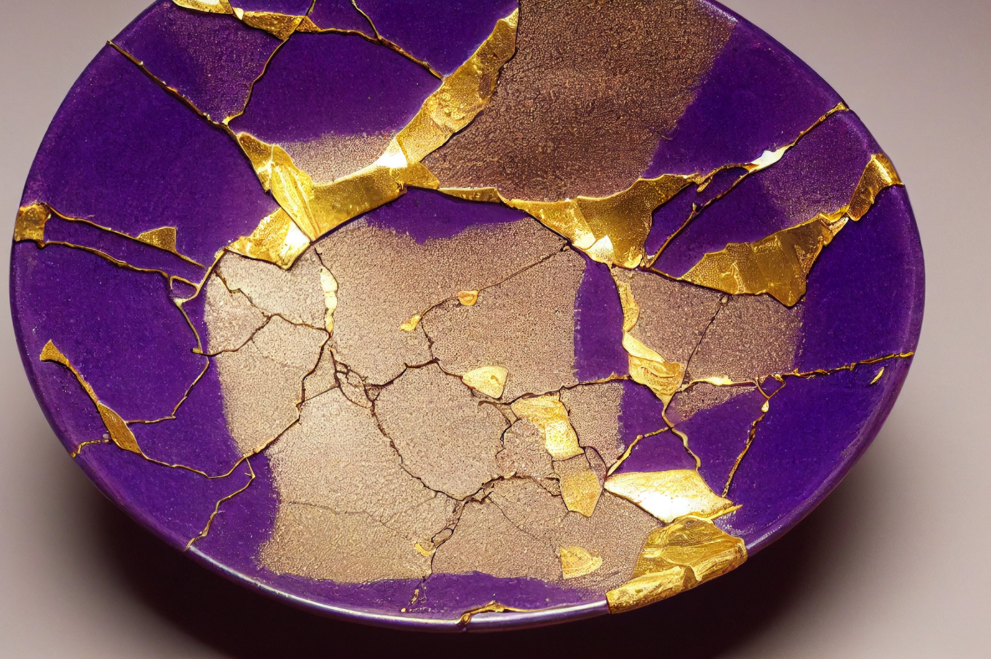
The church I belong to has a motto: No perfect people allowed. I think there’s wisdom in applying that idea to our health, too. This isn’t about being good for a while and bad on other days. It’s not about labeling foods – or ourselves – as good or bad. And it’s certainly not about following a program for two weeks, three months, or even a year and assuming the work is finished.
Health is a lifelong process.
It’s influenced by what we eat, how we sleep, how we move, how we manage stress, the relationships we maintain, and the demands we carry. It’s also influenced by circumstances we can’t always control. Life will throw you a curveball. Sometimes several in a row. The goal isn’t to create a life in which nothing ever goes wrong. It’s to develop the awareness, habits, resources, and support that help you respond when things do.
That’s why I encourage my clients to look beyond the immediate symptom and ask a different question:
What is contributing to this – and what would actually help?
Sometimes the answer involves nutrition. Sometimes it involves sleep, boundaries, emotional patterns, or getting professional guidance. Often, it’s a combination. The important thing is to look at the whole picture.
You Can Be Strong and Still Need Help
During the seven years I cared for Dennis, people often told me how strong I was. I didn’t always feel strong. Most of the time, I was simply doing what needed to be done, one foot in front of the other. I dealt with what was directly in front of me and tried to get through that day. That was how I managed. But I also knew I needed to take care of myself.
I meditated almost every day, as I have for much of my life. I exercised when I could, took walks, watched funny movies, found opportunities for humor, and connected with loved ones by phone when getting away wasn’t possible. Much of that period also overlapped with COVID. I accepted help. I looked for resources. One connection led to another, and sometimes the right support appeared when I needed it most. I wasn’t doing everything perfectly. I was doing what I could to preserve my own health while caring for someone I loved.
Recently, I attended a gathering where I met two women whose circumstances brought those years back to mind. One had lost her husband just six months earlier. The other was in the midst of caring for her husband. They were at different points in an extraordinarily demanding experience, and I felt a deep empathy for both of them. Having lived through those years myself, I could recognize something of what they might be carrying – the exhaustion, the uncertainty, the responsibilities, and the difficulty of knowing how to care for yourself while so much of your attention is directed toward someone else.
Many women find themselves in similar circumstances, whether they’re caring for a spouse or parent, raising children, managing a demanding career, or navigating their own health challenges. They are competent. They are capable. They get things done. But at what cost?
Being strong doesn’t mean doing everything alone.
Asking for help isn’t a sign that you’re incapable. It can be one of the most important things you do to protect your health. Feeling supported can help reduce the sense that you’re facing everything alone. It can help you feel safer, less overwhelmed, and better able to think through your next steps.
Sometimes you need a professional who can help you identify patterns you haven’t recognized. Sometimes you need practical assistance. Sometimes you need someone who will listen without immediately telling you what to do. And sometimes you need all three.
Start With What’s Happening Now
When we talk about root causes, it’s easy to assume we must revisit every difficult experience in our past. But you don’t always need to go backward to begin moving forward.
Start by looking at your life today.
- Are you consistently getting enough sleep to function well?
- Are you nourishing yourself regularly, or relying on convenience because you’re stretched too thin?
- Are you making time for movement and recovery?
- Are you carrying responsibilities that could be shared?
- Are you repeating a pattern that once helped you cope but no longer serves you?
- Do you have the support you need to make a change?
You don’t have to answer every question at once. Choose one that resonates. Sometimes, simply saying something aloud helps you recognize what has been difficult to see on your own. Then you can decide what to do next. You don’t have to change everything. You need to identify the changes that matter most and take them one step at a time.
Don’t Forget the Grace
Looking back on my years of caregiving, I can see not only the difficulty but also the moments of grace. The people who appeared at the right time. The resources I discovered. The unexpected connections that made an overwhelming situation a little more manageable.
When you’re in the middle of a crisis, it’s not always easy to recognize those moments. You’re focused on getting through the day, doing what’s necessary, and caring for the people who depend on you. But sometimes, when you pause, you can see that you weren’t entirely alone. I hope you can find those moments in your own life, too. And I hope you’ll give yourself the same care and consideration you so readily offer everyone else.
Your health matters. Your life matters. And you matter, regardless of how many people depend on you or how much remains on your to-do list.
As we watch the leaves fall this autumn season, let’s continue with the tree metaphor. Consider this your invitation to let your roots show. Not to expose your imperfections, but to understand yourself more fully. Because when you begin to understand what’s underneath your struggles, you can make choices that support the life you want to live.