Archive for Wellness

If You’ve Been Meaning to Get Back on Track…

If you’re like many people, staying healthy can feel easier during periods of structure and support – and harder when life gets busy, stressful, or unpredictable.

The truth is: healthy living is not about being perfect. It’s about creating small habits that help you feel energized, balanced, and comfortable in your own skin.

Whether you worked with me recently or years ago, this may be the perfect time to reconnect with yourself and gently refresh your routine.

Here are five simple ways to maintain a healthy lifestyle after coaching:

#1 Keep Your Routine Simple & Sustainable

The healthiest routines are the ones you can live with consistently.

Focus on basics that support energy and vitality:

  • Balanced meals with protein, healthy fats, fiber, and lots of vegetables (they really are your best friends) 
  • Daily movement – even short walks, stretching, or dancing in your living room. Simple and they all count 
  • Consistent sleep and hydration

One of my dance teachers (yes, I’m still an avid dance class participant) mentioned last week that she developed a severe leg cramp after swimming the day before. Even though she’s very fit, I suggested increasing her water intake and consider adding a potassium or magnesium supplement. (CAUTION: potassium supplements may not be appropriate for people on blood pressure medications.)

#2 Listen to Your Body

Your body is constantly giving you feedback.

Pay attention to:

  • Energy levels – are you tired and pushing through anyway? Do you need a 10-minute break… or to go to sleep when that Netflix movie ends at 10 pm instead of staying up until midnight? Sometimes we need to listen to our body — not just our mind at the end of the day. 
  • Digestion -does that snack make you feel worse while you’re eating it or 30 minutes later? Your body often tells you more than nutrition labels do. 
  • Sleep quality – are you tossing and turning at night? Did you shut off screens before bedtime? I know for myself, if I scroll right before lights out, my nervous system gets revved up and I inevitably end up with a far less restful sleep. 
  • Mood and stress patterns – did you have an intense conversation right before lunch?

Are you craving alone time but not admitting it to yourself? Stress affects the body more than many people realize.

Sometimes subtle adjustments can make a significant difference in how you feel.

Sometimes subtle adjustments can make a significant difference in how you feel.

#3 Plan Ahead — But Stay Flexible

Healthy living should support your life, not control it.

Having nourishing foods available, easy movement options, and realistic expectations helps you stay consistent without feeling restricted.

Stock your kitchen, lunch bag, or countertop with simple, accessible choices:
A bowl of bananas, tangerines, or apricots beside fresh flowers from your garden (or Trader Joe’s) may sound idyllic – but it’s also practical, beautiful, and surprisingly effective.

And yes – enjoying life matters too.

#4 Don’t Do It Alone

Support and accountability often make the biggest difference.

I know I personally do better when I have someone knowledgeable in my corner offering guidance, feedback, or perspective. There’s something powerful about feeling supported instead of trying to figure everything out on your own. Many people find that after coaching ends, they slowly drift away from the habits that once helped them feel their best. Periodic check-ins can help you stay grounded, motivated, and focused on what matters most.

Sometimes even one focused conversation can provide clarity and momentum.

#5 Continue Learning & Evolving

Your health journey evolves as your life evolves. You are not the same person you were five or ten years ago. What worked for your body in the past may not be what you need today. Staying curious, open, and adaptable allows healthy living to become a lifestyle – rather than another rigid “program.”

Remember: healthy living isn’t about perfection. It’s about creating habits that support your energy, confidence, resilience, nervous system, and overall quality of life over time. If you’ve been feeling a little off track lately, this may be the perfect time for a simple refresh.

I’m currently offering complimentary discovery calls to reconnect, discuss your current health goals, and explore realistic shifts that can help you feel your best again.

Your supplements could be costing you more than you think


In 1994, there were approximately 4,000 supplements on the market. Today there are over 200,000.

And yet, most people are navigating all of that alone – piecing together a routine based on something they heard, read, or were told. A recommendation from a friend. A social media post. A product that promises to target a specific issue.

On the surface, that seems reasonable. But this approach is often fragmented, reactive, and far from personalized. And that’s where the problem begins.

Because supplementation should never be random. It should be intentional, strategic, and specific to you – your body, your health history, your current demands, and your long-term goals.

After more than 30 years in clinical practice, I’ve seen this pattern repeatedly. People come in with bags of supplements – well-intentioned, but unnecessary. Often, they’re taking too much, the wrong combinations, or products their body simply doesn’t need – or can’t properly absorb.

Sometimes it’s not just what you’re taking. It’s the quality, the dosage, and the interactions between ingredients that matter most. And without proper guidance, it’s easy to miss that entirely.

A note on where to turn for guidance:

In one focused 45-minute Supplement Review, we look at:

• What you’re currently taking

• What may be unnecessary or ineffective

• What could be optimized or better targeted

You’ll leave with a clear, simplified protocol – specific to you – and the confidence of knowing exactly what you’re taking and why.

I’ve priced this intentionally – at $227, it’s less than most people spend on supplements they don’t need in a single month.

If this resonates, just hit reply. Tell me a little about where you are with your supplements, and I’ll reach out personally to set up your session.

Why Your Body Stops Responding (Even When You’re Doing Everything “Right”)

One of the most frustrating experiences for many women is this:

“I’m doing everything I’m supposed to be doing… but my body isn’t responding.”

Eating more carefully.
Exercising consistently.
Trying to be disciplined.

And yet the results feel minimal, slow, or completely absent.

At a certain point, it is no longer a question of effort. It becomes a question of physiology.

The body does not respond well to inconsistency, stress overload, or long periods of restriction followed by fluctuation. When this happens, it begins to adapt — not in a positive way, but in a protective one.

Metabolism slows.
Energy becomes more conserved.
Hormonal signaling becomes less responsive.
Inflammation increases subtly in the background.

This is not failure. It is adaptation.

The body is always trying to protect you, even when the strategy it uses creates frustration. One of the most common patterns I see is what I call a “push-pull physiology.” Periods of restriction or under-eating are followed by periods of stress eating, irregular meals, or late-day compensation. Exercise is added on top of fatigue. Sleep is inconsistent. The nervous system never fully settles into a predictable rhythm.

Over time, the body stops trusting the environment it is in. And when the body does not feel safe, it does not prioritize change. It prioritizes conservation. This is often the moment where women believe they are “stuck.” But what is really happening is that the system is no longer responsive — not because it is broken, but because it has been overactivated for too long without enough recovery and regulation.

When the body begins to respond again, it is not because of more force.

It is because rhythm returns.

Stable blood sugar.
Consistent nourishment.
Calm cortisol timing.
Reduced nervous system overload.

The body is not resisting you. It is waiting for the conditions that allow it to respond again.

Inside the Metabolic Radiance Program, this is exactly what we work to restore – not through restriction, but through rhythm-based recalibration of metabolism and the nervous system. Because when the body feels safe again, it responds again.

And when it responds again, everything begins to change.

Why Cortisol Rhythm Matters More Than Calories

Most people still believe weight and energy are primarily about calories.

Eat less. Move more. Try harder.

But that model leaves out something far more powerful: your hormonal rhythm.

One of the most important — and most misunderstood — is cortisol. Cortisol is not the enemy. In a healthy rhythm, it is one of the body’s most important organizing hormones. It helps you wake up, think clearly, and meet the demands of the day.

The problem is not cortisol itself. The problem is timing.

In a well-regulated system, cortisol follows a natural daily pattern. It should be higher in the morning, helping you feel alert, focused, and energized. And it should gradually decline throughout the day, allowing the body and nervous system to shift toward rest in the evening.

When this rhythm is disrupted, everything begins to shift.

Energy becomes unpredictable.
Sleep becomes lighter or harder to initiate.
Cravings increase.
Weight — especially around the midsection — becomes more resistant.

And very often, women begin to believe they have a discipline or willpower problem. But in reality, many are dealing with a cortisol rhythm problem. Stress, irregular eating patterns, under-eating during the day, and overstimulation late at night all signal to the body that it needs to stay alert. Even when you are tired, your system does not receive the message to fully downshift.


Late-night eating and stimulation are especially impactful. This includes not only snacks, but also heavier meals, sugar, alcohol, scrolling, and anything that keeps the nervous system engaged when it should be winding down. Over time, this keeps cortisol elevated at the wrong times of day, which disrupts both sleep and metabolic balance.

When cortisol rhythm stabilizes, the shift is noticeable.

Sleep improves.
Cravings naturally decrease.
Energy becomes more consistent.
Belly fat becomes more responsive.
Mood becomes calmer and more even.

The body is no longer fighting itself for balance. This is not about perfection. It is about rhythm. When the body feels safe and regulated, it responds differently — not through restriction or force, but through restoration.

Inside the Metabolic Radiance Program, we focus on restoring these foundational rhythms — cortisol timing, blood sugar stability, and nervous system regulation — so the body can return to a state of ease, clarity, and metabolic responsiveness. Because when rhythm is restored, the body does not need to be pushed. It begins to respond.

And radiance follows.

Are Your Blood Sugar Swings Stealing Your Radiance?

Most people think radiance comes from the outside.

Better skincare. More exercise. Another supplement. A new diet.

But true radiance begins much deeper — in your metabolic rhythm. 

Radiance isn’t something we manufacture from the outside; it’s the natural expression of a body whose internal rhythms are balanced and supported.

One of the most important foundations of that rhythm is stable blood sugar.

When blood sugar rises and falls dramatically throughout the day, the body shifts into stress mode. Cortisol increases, energy crashes, cravings intensify, and sleep becomes more fragile. Over time, these fluctuations affect mood, digestion, hormones, and weight regulation.

Many women assume these symptoms are simply part of getting older. But in many cases, they are signs that the body’s metabolic rhythm has been disrupted.

When blood sugar stabilizes, something remarkable happens.

Energy becomes steady instead of unpredictable.
Cravings quiet down.
Sleep improves.
Mood becomes calmer.
The body begins responding again.

And very often, weight begins to shift naturally as inflammation lowers and hormones rebalance.

Radiance is not something you force. It emerges when the body is no longer in survival mode.

Simple Ways to Support Stable Blood Sugar

1. Start the day with real nourishment
A breakfast that includes protein, healthy fat, and real food signals safety to the body and helps prevent mid-morning crashes. When the body receives balanced nourishment early in the day, blood sugar stabilizes, and cortisol begins to follow a healthier rhythm. Instead of reaching for coffee and sugar alone, think of breakfast as the first opportunity to set your metabolic tone for the day.

2. Eat regularly, not reactively
Waiting until you are extremely hungry often leads to overeating and rapid blood sugar spikes. Long gaps without nourishment can push the body into stress mode, making cravings stronger and energy less reliable. Eating balanced meals at regular intervals helps the body maintain steadiness so your energy, focus, and mood remain more consistent throughout the day.

3. Replace refined sugars and processed foods with real alternatives

Instead of pastries, candy, or sugary drinks, try options that nourish your body and stabilize energy. Examples include fresh fruit, carrots with hummus, a handful of nuts, or apple slices with almond butter. These simple choices provide nutrients and fiber that help slow sugar absorption.

4. Include protein and fiber with meals
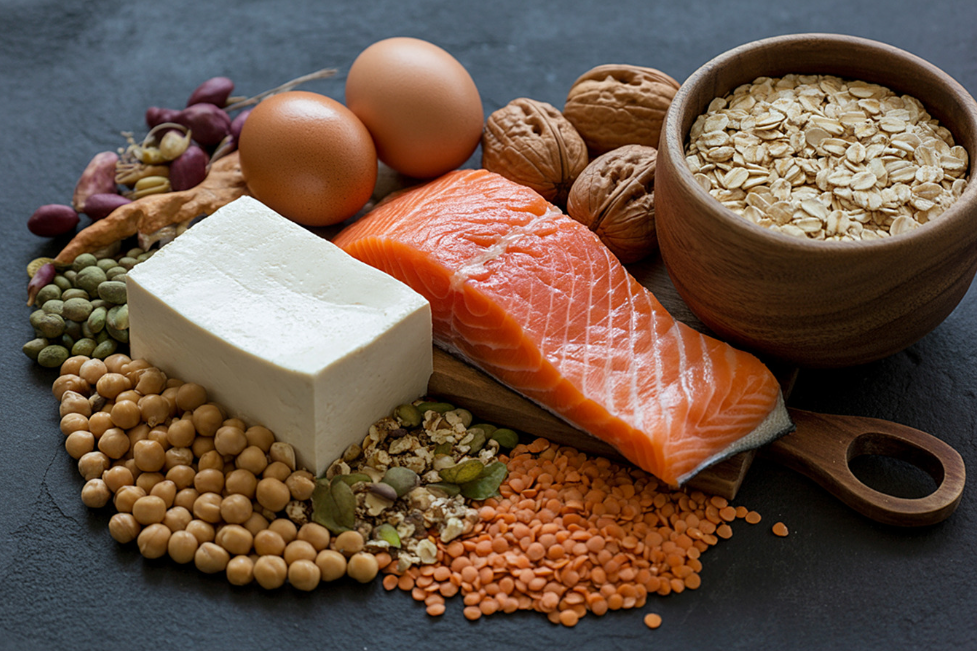
Protein and fiber slow digestion and help maintain steady blood sugar levels. Examples include eggs, fish, chicken, beans, tofu, nuts, seeds, oats, or leafy greens. A balanced plate with protein, vegetables, and healthy fats can keep energy stable for hours.

5. Respect your daily rhythm
Late-night eating can disrupt both sleep and blood sugar regulation. This includes anything you are putting into your body — not just snacks. Alcohol, sweets, heavy meals, or even frequent evening grazing can keep the body metabolically active when it should be winding down.

When rhythm returns to the body, the benefits extend far beyond food.

Energy becomes more reliable.
Thinking becomes clearer.
Sleep deepens.
Confidence returns.

This is the foundation of real vitality.

Inside The Radiance Reset Program, we work on restoring these rhythms in a structured way – stabilizing blood sugar, supporting cortisol timing, and nourishing the nervous system so the body can function the way it was designed to.

Most women lose between 10–15 pounds in six weeks as inflammation lowers, blood sugar stabilizes, and cortisol rhythms reset. The weight loss is not the strategy – it’s the outcome of metabolic recalibration.

But the deeper shift many women experience is something they haven’t felt in years: steady energy, a calmer mind, and confidence in their body again.

Because when rhythm returns, radiance follows.

The Real Reason People Can’t Sleep

Struggling to sleep isn’t always about light, medication, or illness. Most often, it’s your nervous system that’s unsettled – and sometimes your soul.

Even the calmest-seeming people can carry anxiety, regret, overstimulation, or unresolved emotion. When that internal hum never quiets, sleep becomes fragile. And when sleep is fragile, digestion, hormones, energy, and mood follow. We absorb so much – ideas, opinions, food, stimulation, even other people’s stress. When our inner processing breaks down, judgment, constriction, and agitation take over. The spirit resists. The nervous system stays on alert. Cortisol mistimes itself. Blood sugar fluctuates.


If you’re constantly in fight-or-flight mode, how can you truly rest? As I wrote in Skinny Jean’s Lifestyle: “It’s not about what you’re eating. It’s about what’s eating you.” Ignoring this costs you sleep, clarity, vitality – and eventually metabolic stability. The good news? Rhythm can be restored. And when rhythm is restored, sleep returns.

5 Practical Steps to Sleep, Peace, and Vitality

1. Notice the truth
Acknowledge what feels unsettled within you. Awareness calms the nervous system faster than avoidance.

2. Appreciate what’s around you
Look around and name five things you genuinely love. Gratitude shifts physiology, not just mood.

3. Connect with innocence
Pets, nature, or even a smile – these regulate your system more than another supplement ever could.

4. Nourish your body
Choose real, steadying foods most of the time. Stable blood sugar in the evening often determines whether you sleep through the night.

5. Listen to your body
Tired? Rest. Hungry? Eat. Restless? Move. Your body speaks in rhythms. Honor them.

Healing begins with love – but love is expressed through rhythm.

Think of sleep as your daily dose of Vitamin S.  Essential. Sacred. Non-negotiable.

Pay attention to your rhythm from waking to winding down. When your daily rhythm is steady, your metabolism steadies. When your metabolism steadies, your nervous system softens. And when that happens, sleep becomes natural again. This is the deeper work I do helping to restore the biological rhythms that allow radiance, energy, and steady weight loss to emerge.

Our programs address food and so much more. Most women lose between 10–15 pounds in six weeks as inflammation lowers, blood sugar stabilizes, and cortisol rhythms reset. The weight loss is not the strategy – it’s the outcome of metabolic recalibration.

But even more importantly, they begin sleeping again. Feeling calm again. Feeling like themselves again. If that’s what you’re wanting, this is where we begin.

Digestive Confidence: Eating in a Way That Helps Your Body Feel Calm, Comfortable, and Supported

For many people today, digestion has become something they worry about, monitor closely, or try to “fix.” Bloating, irregular bowel movements, gas, or feeling overly full can quickly create anxiety around food and eating.

Yet digestion is not meant to feel complicated or stressful. In fact, most digestive systems respond best to simple, nourishing, traditional foods and relaxed eating habits.

Instead of focusing on restriction or chasing the latest gut health trend, a more supportive approach is what I call digestive confidence – learning to eat in a way that helps your body feel steady, comfortable, and predictable.

What Is Digestive Confidence?

Digestive confidence is the ability to eat without fear or constant second-guessing. It means understanding which foods generally support digestion, recognizing how your body responds, and trusting that your digestive system is capable and resilient.

Rather than searching for perfect diets or quick fixes, digestive confidence focuses on creating daily eating patterns that naturally support the gut.

Foods That Commonly Support Comfortable Digestion

Fiber-Rich Foods That Nourish Without Overwhelming

Fiber plays an important role in bowel regularity and gut health. However, many people experience discomfort when they dramatically increase fiber or rely heavily on raw foods.

Gentle, well-tolerated fiber sources include:

  • Cooked oatmeal
  • Chia seeds (soaked)
  • Ground flaxseed
  • Kiwi
  • Sweet potatoes
  • Cooked vegetables such as zucchini, carrots, and spinach

Cooked vegetables and grains are often easier to digest than raw versions, especially during colder months or when digestion feels sensitive.

Gradually introducing fiber allows the digestive system to adjust comfortably.

Fermented Foods That Support the Gut Microbiome

Fermented foods introduce beneficial bacteria that help support balance within the digestive tract. Consistency is more helpful than large amounts.

Helpful fermented foods include:

  • Yogurt with live cultures
  • Kefir
  • Sauerkraut in small servings
  • Kimchi
  • Miso

Many people notice improvement in digestion when fermented foods are introduced slowly and eaten regularly.

Mediterranean-Style Foods That Promote Digestive Balance

The Mediterranean style of eating continues to be strongly associated with digestive comfort and overall health. It emphasizes whole, nourishing foods that are naturally anti-inflammatory and easy for most people to tolerate.

Key digestive-supporting foods include:

  • Extra virgin olive oil
  • Fish such as salmon or sardines
  • Cooked lentils and legumes
  • Rice and quinoa
  • Lightly cooked leafy greens

This approach supports digestion without relying on extreme food rules or elimination diets.

Foods That Help Reduce Bloating and Gas

Many traditional foods gently support digestive movement and reduce gas buildup.

These include:

  • Ginger
  • Peppermint
  • Fennel
  • Bananas
  • Rice
  • Eggs
  • Bone broth
  • Light soups and stews

These foods are particularly helpful when digestion feels sluggish or unsettled.

Foods That Encourage Regular Bowel Movements

Certain foods are especially effective in supporting comfortable and predictable bowel patterns.

Commonly helpful options include:

  • Kiwi
  • Prunes or prune juice
  • Oats
  • Chia seeds
  • Warm fluids such as herbal teas or warm water

Hydration plays a critical role in bowel regularity and should always accompany fiber intake.

How Food Is Eaten Matters as Much as What Is Eaten

Digestive confidence also involves eating habits that support the body’s natural digestive process.

Helpful practices include:

  • Eating slowly and chewing thoroughly
  • Sitting down and minimizing distractions while eating
  • Avoiding overeating or rushing meals
  • Maintaining regular meal timing
  • Taking gentle walks after meals

These simple habits activate the body’s natural “rest and digest” response, which allows the digestive system to function efficiently.

Moving Away From Food Fear

Many people begin to feel anxious about eating when digestive symptoms occur. It is important to remember that occasional bloating or discomfort is common and does not mean something is wrong with your body.

Digestive systems are responsive and adaptable. Most people benefit from focusing on nourishment, consistency, and body awareness rather than strict food rules.

Building Your Own Digestive Confidence

Digestive confidence grows when you:

  • Choose mostly whole, gently prepared foods
  • Introduce new foods gradually
  • Notice which foods help you feel comfortable and energized
  • Stay hydrated
  • Create relaxed, consistent eating patterns

Over time, this approach allows the digestive system to function with less strain and more predictability.

A Gentle Reminder

Your digestive system is designed to work for you, not against you. When supported with balanced foods, mindful eating habits, and patience, most digestive systems regain stability and comfort.

Digestive confidence is not about perfection. It is about developing trust in your body and choosing foods and habits that help you feel well.

If you experience ongoing or severe digestive symptoms, it is always wise to seek medical evaluation. For everyday digestive discomfort, however, small, consistent dietary and lifestyle choices often make a meaningful difference.

What I Learned Being a Caregiver

On the eve of my husband’s birthday, I felt it was the perfect moment to share this with you – a reflection on love, caregiving, and the lessons I learned…

Caregiving changes you. It tests your strength, patience, and heart in ways you could never imagine. In this deeply personal reflection, I share what I learned from caring for my husband through years of illness – the love that sustained us, the trauma that followed, and the lessons that continue to shape my healing journey today.

A Journey of Love, Loss, and Strength

This article is different from others I’ve written. It comes straight from the heart—not that my other work hasn’t—but this one comes from lived experience: the experience of being a caregiver and watching someone you love suffer right before your eyes, every day. It’s one of the hardest things anyone can go through – and even harder to forget.

“Years of challenge taught me what I was truly made of.”

The trauma of 24-hour caregiving of being constantly on alert, of not knowing if my husband would still be alive when I came down the stairs each morning—that kind of stress leaves a mark. It took me years to begin feeling calmer and less triggered inside.

It’s now been three and a half years since I lost him, and only recently have I been able to walk into a hospital again without panic. I suffered from post–caregiver PTSD (PCPTSD) – a form of caregiver trauma many people experience but few talk about. Soldiers in war zones know what they’re facing. But when your “war zone” is your living room, and your loved one is the patient, PTSD feels like something you shouldn’t have. Yet it’s very real.

What helped me most was the support of friends, family, and community. It truly took a village to keep things going. Over the years, countless caregivers, nurses, and allied health professionals came through our home – it often felt like a full-scale operation.

“I used to say I was the CEO of a hospital at home.”

The Complex Role of Caregiving

Have you ever cared for a loved one—or are you doing so now? It’s one of the most complex, emotional experiences you can have. I cared for my husband for seven years as his health slowly declined. There were countless hospital visits – many to the ER, and many admissions lasting one to three weeks at a time.

I noticed something surprising: the sicker he became, the more health benefits, programs, and supports became available. It was especially evident in 2020, when the world shut down. I remember saying more than once, “Welcome to my world.” I had already been living that reality for years – unable to make plans, facing constant health concerns, living with unpredictability, and navigating the medical and insurance systems daily.

This is the unseen side of caregiver burnout – the exhaustion that builds when you give everything you have, day after day, to someone you love.

Feeding the Body and the Soul

Nutrition was another challenge. I had to manage a kidney-friendly, dialysis-approved diet that later became a puréed diet during his final years. Even with Meals on Wheels delivering food, I was constantly supplementing for extra protein and calories as he continued losing weight. But caregiving isn’t just about feeding the body – it’s about feeding your own soul too.

How to Care for Yourself While Caring for Another

Caregiving takes grit, determination, and an open heart.
Not everyone can do it – and that’s okay. If you can’t, or couldn’t, there’s no need for guilt. Therapy helps. Friends and family help. Laughter helps. And above all, love pulls you through.

In my husband’s final days, doctors often marveled at how he kept bouncing back from the brink. My answer was simple: Vitamin L.

“Vitamin L” or Vitamin Love – is the most powerful supplement of all.

It’s made of devotion, focus, and unwavering commitment – to your loved one, to yourself, and to life itself. I know without a doubt that love kept my husband alive far longer than expected. And I would do it all again.

Through it all, love was present – not always, but often enough, and with the right people at the right times. Love has the power to heal. Even though my husband didn’t survive, he was deeply loved and cared for to the very end. Our final Christmas together in 2021 was bittersweet – filled with sadness, yes, but also deep joy and profound insight.

If You’re Caring for Someone Now

If you’re in the middle of caregiving, please know help is available. Ask for it. There are organizations, family members, friends, and compassionate professionals ready to assist. You’ll form relationships with doctors, nurses, and staff – lean on them.

Ask questions. Ask for resources. Don’t try to do everything alone. The more help you accept, the stronger you’ll be – for both your loved one and yourself. Take breaks. A break might be as simple as closing the door for an hour, meditating, or watching a funny movie. Eat nourishing foods. Get as much rest as you can.

Take your own doctor appointments seriously. Have lunch with friends. Enroll in an online course. Go for walks. Do something – anything – that helps you feel human again.

“You don’t have to be a hero. You already are one.”

Let go of the idea that you can or should do it all yourself. You can’t—and you shouldn’t. You deserve care, too.

Honor Your Emotions

Perhaps most importantly, honor your emotions – all of them.The good, the bad, and the messy.

They’re all valid, and they’re all teachers. Anger doesn’t make you ungrateful; sadness doesn’t make you weak. Allow your feelings to surface, acknowledge them, and let them guide you toward understanding or release. Grief healing takes time – and being gentle with yourself can help ease the way forward.

Caregiving is rarely a gentle journey. But being gentle – with yourself and your loved one – makes the road a little easier.

Five Key Takeaways

  1. Ask for help early and often. You can’t and shouldn’t do this alone.

  2. Take care of your own health. Eat well, rest deeply, and stay connected.

  3. Find your “Vitamin L.” Love fuels both the caregiver and the cared-for.

  4. Honor all emotions. Every feeling you have is valid and human.

  5. Stay connected to support. Community, laughter, and compassion make everything more bearable.

If this story resonates with you, if you’re feeling depleted, lost, or simply ready to feel like yourself again, I offer personalized caregiver coaching. Together, we’ll create space for your healing, restore balance, and help you rediscover your strength and peace.

Learn more about my Caregiver Renewal Program

If you’d like support or guidance on your caregiving journey, I offer private caregiver coaching support to help you restore balance, peace, and self-care.

Are You Keeping Track?

There’s been a lot of excitement — and also confusion — about wearables lately. I’ve had more and more clients asking me: Do I really need one? Will it help me live longer and healthier, or is it just the latest fad?

It’s a fair question. Between flashy advertising, friends recommending their favorite gadgets, and the sheer number of choices on the market, it can feel overwhelming. Cost is another factor. While a continuous glucose monitor (CGM) may be covered by insurance if you’re diabetic, for many people it’s an out-of-pocket expense.

So, what are the benefits of investing in wearables?

  • They can provide valuable insights into how your body responds to food, movement, stress, and sleep.

  • They can highlight patterns you may not notice on your own.

  • Used well, they can become a tool for self-awareness and better decision-making.

The flip side is that some people become obsessive about the numbers, which can actually create more stress rather than less. That’s why I always emphasize balance: a wearable is best used as a tool, not the ultimate authority on your health.

I’m all for learning what makes you tick. Wearables can be one way to do that — but so can listening to your body, paying attention to your diet, moving regularly, and, perhaps most profoundly, getting good-quality sleep.

Quick Comparison of Popular Wearables

Oura Ring – Best for sleep tracking, recovery insights, and stress balance. Small, discreet, but no screen.

Whoop Band – Best for athletes and performance-driven individuals. Excellent Heart Rate Variability or HRV and recovery tracking, but requires a subscription.

Garmin – Best for active outdoor enthusiasts. Strong fitness, GPS, and stress tracking features. Wide range of models and price points.

Apple Watch – Best all-rounder. Combines stress and HRV data with everyday use (calls, apps, notifications). Great if you want one device to do it all.

Continuous Glucose Monitor (CGM) – Best for blood sugar awareness. Offers real-time glucose feedback. More medical in nature, can be eye-opening but may feel intense for some.

My Takeaway

If you’re health-conscious and longevity-minded, wearables can offer powerful insights — but they’re not the only way to know yourself. The most important step is finding the right mix of tools and practices that help you stay in tune with your body.

Next Steps

If you’re curious about trying one of these tools, or you’re not sure which might fit best with your lifestyle, I’d be happy to explore it with you. Just reach out whenever you’re ready — no rush. Sometimes the best next step is simply a conversation.

Are You Armed For Who YOU Are Today?

When Did This Happen?

Let’s be honest: at a certain age, many of us start looking at our arms and wondering, what happened? Once trim and toned, now… softer, fuller, less recognizable.

Not long ago, I was in the fitting room at my local outlet mall when I caught sight of my bare arms in the mirror. I didn’t recognize them. When did this happen—and why is it still changing?

I first noticed it about ten years ago. Me—someone who has been active and athletic all my life—suddenly facing arms that didn’t match the picture in my head. I’ve tried weights, different lifting techniques, and endless effort, but the truth is: my arms are no longer what they once were.

Beyond the Mirror

If this sounds like you, too you’re probably wondering what can be done.  Stand there criticizing yourself? Or learn to embrace who you are now?

At some point, acceptance becomes the healthier choice. Your arms, and your whole self, carries far more than muscle tone—they carry your life story. The happy, the sad, the magical, the tragic. Each trial you’ve faced, each victory you’ve earned, has shaped you into the women you are today.

Pause for a moment and reflect: over the past 7, 10, or 15 years, what challenges have you overcome that you never thought you could? That reflection is not only grounding—it’s an act of wisdom, appreciation, and love.

The Power of Kindness

My husband often told me, “Be kind to yourself.” Such simple words, but truly powerful medicine.

Kindness isn’t just about diet, exercise, or sleep. It’s about the inner voice that either lifts us up or tears us down. When we choose kindness within, it radiates outward, touching others. And in a world that sorely needs it, your kindness can be a healing force.

Three Gentle Practices

Here are three simple ways to practice self-kindness this week:

  1. Rest & Repeat – Don’t underestimate the power of pauses. Rest during the day and at night. Replenish your body so you can rise strong.

  2. Eat to Nourish – Choose foods that bring clarity, lightness, and energy. This isn’t about restriction—it’s about fueling your best self.

  3. Move Your Body – Walk, dance, stretch, declutter. Movement doesn’t need to be punishing. It’s about engaging your body, mind, and spirit in life.


Arms as a Metaphor

Our arms can be more than a reflection of aging. They can be a metaphor for how we live.

“You can clutch the past so tightly to your chest that it leaves your arms too full to embrace the present.” — Jan Glidewell

Let your arms remind you not just of what has changed, but of all you’ve carried, endured, and overcome. They can also remind you to open up to what is here now, and to what is still to come.

Standing Arm in Arm

As you move through your week, trust that you can take steps toward loving your whole self—yes, even your arms.

Let’s stand arm in arm together, embracing health, resilience, and joy. Walk each day with dignity, release what no longer serves you, and live well in ways that support a strong, beautiful future.