Author Archive for Monika

Why Your Body Stops Responding (Even When You’re Doing Everything “Right”)

One of the most frustrating experiences for many women is this:

“I’m doing everything I’m supposed to be doing… but my body isn’t responding.”

Eating more carefully.
Exercising consistently.
Trying to be disciplined.

And yet the results feel minimal, slow, or completely absent.

At a certain point, it is no longer a question of effort. It becomes a question of physiology.

The body does not respond well to inconsistency, stress overload, or long periods of restriction followed by fluctuation. When this happens, it begins to adapt — not in a positive way, but in a protective one.

Metabolism slows.
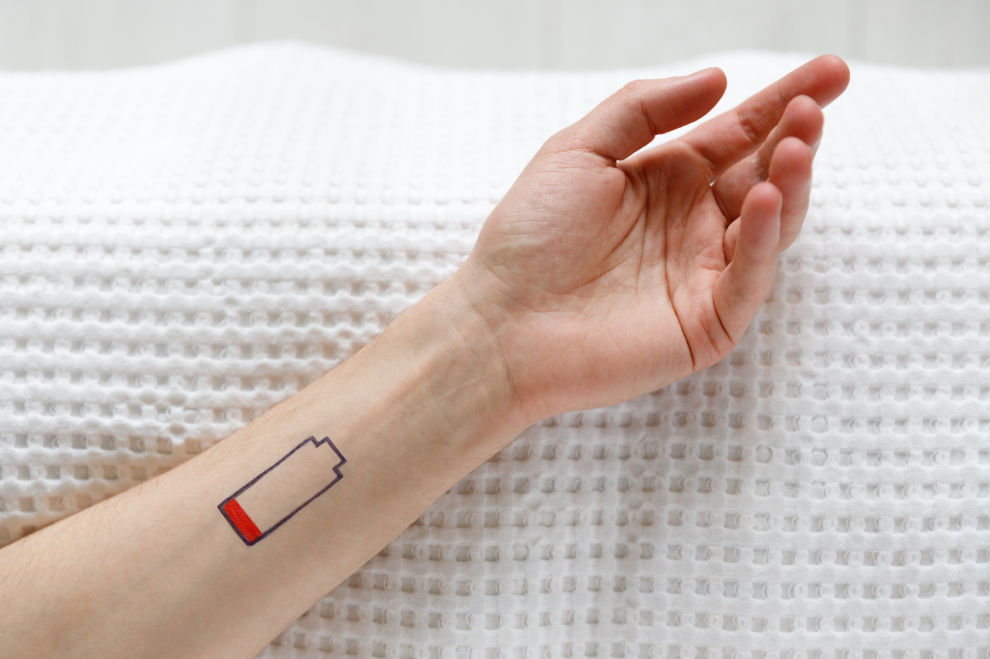
Energy becomes more conserved.
Hormonal signaling becomes less responsive.
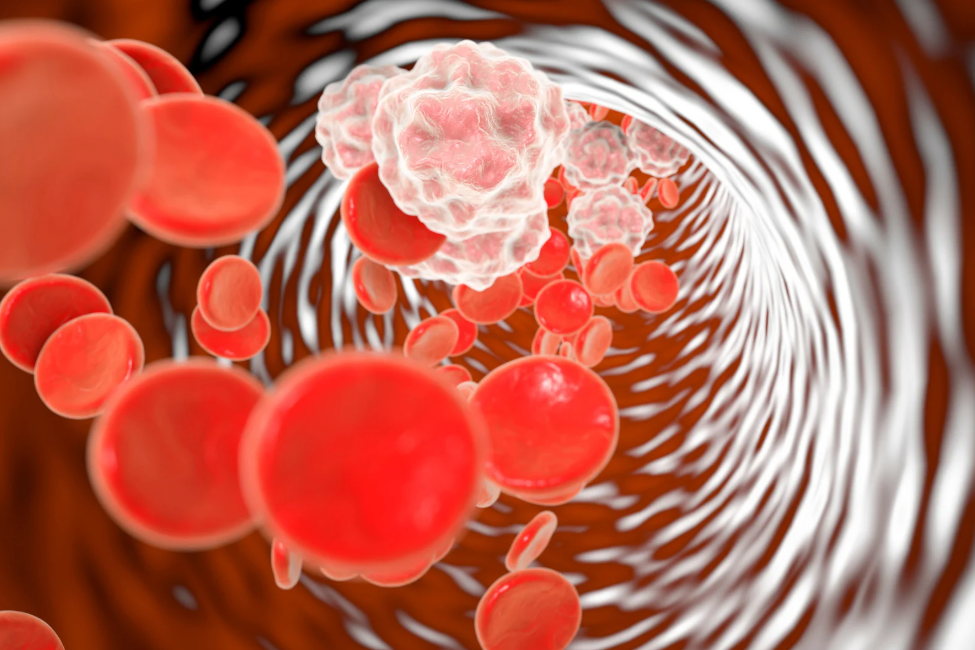
Inflammation increases subtly in the background.

This is not failure. It is adaptation.

The body is always trying to protect you, even when the strategy it uses creates frustration. One of the most common patterns I see is what I call a “push-pull physiology.” Periods of restriction or under-eating are followed by periods of stress eating, irregular meals, or late-day compensation. Exercise is added on top of fatigue. Sleep is inconsistent. The nervous system never fully settles into a predictable rhythm.

Over time, the body stops trusting the environment it is in. And when the body does not feel safe, it does not prioritize change. It prioritizes conservation. This is often the moment where women believe they are “stuck.” But what is really happening is that the system is no longer responsive — not because it is broken, but because it has been overactivated for too long without enough recovery and regulation.

When the body begins to respond again, it is not because of more force.

It is because rhythm returns.

Stable blood sugar.
Consistent nourishment.
Calm cortisol timing.
Reduced nervous system overload.

The body is not resisting you. It is waiting for the conditions that allow it to respond again.

Inside the Metabolic Radiance Program, this is exactly what we work to restore – not through restriction, but through rhythm-based recalibration of metabolism and the nervous system. Because when the body feels safe again, it responds again.

And when it responds again, everything begins to change.

Why Cortisol Rhythm Matters More Than Calories

Most people still believe weight and energy are primarily about calories.

Eat less. Move more. Try harder.

But that model leaves out something far more powerful: your hormonal rhythm.

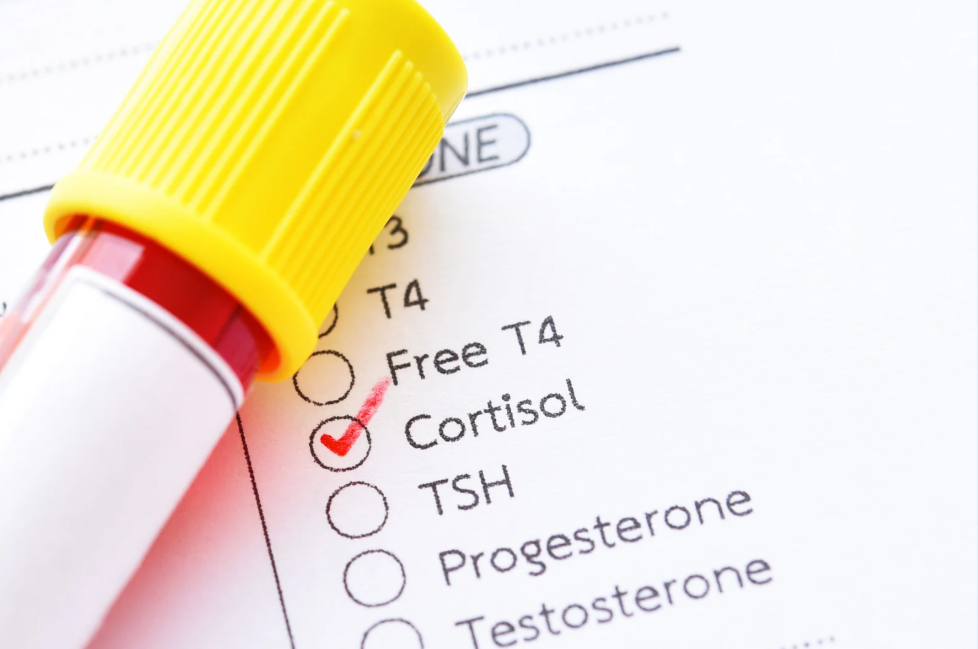
One of the most important — and most misunderstood — is cortisol. Cortisol is not the enemy. In a healthy rhythm, it is one of the body’s most important organizing hormones. It helps you wake up, think clearly, and meet the demands of the day.

The problem is not cortisol itself. The problem is timing.

In a well-regulated system, cortisol follows a natural daily pattern. It should be higher in the morning, helping you feel alert, focused, and energized. And it should gradually decline throughout the day, allowing the body and nervous system to shift toward rest in the evening.

When this rhythm is disrupted, everything begins to shift.

Energy becomes unpredictable.
Sleep becomes lighter or harder to initiate.
Cravings increase.
Weight — especially around the midsection — becomes more resistant.

And very often, women begin to believe they have a discipline or willpower problem. But in reality, many are dealing with a cortisol rhythm problem. Stress, irregular eating patterns, under-eating during the day, and overstimulation late at night all signal to the body that it needs to stay alert. Even when you are tired, your system does not receive the message to fully downshift.


Late-night eating and stimulation are especially impactful. This includes not only snacks, but also heavier meals, sugar, alcohol, scrolling, and anything that keeps the nervous system engaged when it should be winding down. Over time, this keeps cortisol elevated at the wrong times of day, which disrupts both sleep and metabolic balance.

When cortisol rhythm stabilizes, the shift is noticeable.

Sleep improves.
Cravings naturally decrease.
Energy becomes more consistent.
Belly fat becomes more responsive.
Mood becomes calmer and more even.

The body is no longer fighting itself for balance. This is not about perfection. It is about rhythm. When the body feels safe and regulated, it responds differently — not through restriction or force, but through restoration.

Inside the Metabolic Radiance Program, we focus on restoring these foundational rhythms — cortisol timing, blood sugar stability, and nervous system regulation — so the body can return to a state of ease, clarity, and metabolic responsiveness. Because when rhythm is restored, the body does not need to be pushed. It begins to respond.

And radiance follows.

Are Your Blood Sugar Swings Stealing Your Radiance?

Most people think radiance comes from the outside.

Better skincare. More exercise. Another supplement. A new diet.

But true radiance begins much deeper — in your metabolic rhythm. 

Radiance isn’t something we manufacture from the outside; it’s the natural expression of a body whose internal rhythms are balanced and supported.

One of the most important foundations of that rhythm is stable blood sugar.

When blood sugar rises and falls dramatically throughout the day, the body shifts into stress mode. Cortisol increases, energy crashes, cravings intensify, and sleep becomes more fragile. Over time, these fluctuations affect mood, digestion, hormones, and weight regulation.

Many women assume these symptoms are simply part of getting older. But in many cases, they are signs that the body’s metabolic rhythm has been disrupted.

When blood sugar stabilizes, something remarkable happens.

Energy becomes steady instead of unpredictable.
Cravings quiet down.
Sleep improves.
Mood becomes calmer.
The body begins responding again.

And very often, weight begins to shift naturally as inflammation lowers and hormones rebalance.

Radiance is not something you force. It emerges when the body is no longer in survival mode.

Simple Ways to Support Stable Blood Sugar

1. Start the day with real nourishment
A breakfast that includes protein, healthy fat, and real food signals safety to the body and helps prevent mid-morning crashes. When the body receives balanced nourishment early in the day, blood sugar stabilizes, and cortisol begins to follow a healthier rhythm. Instead of reaching for coffee and sugar alone, think of breakfast as the first opportunity to set your metabolic tone for the day.

2. Eat regularly, not reactively
Waiting until you are extremely hungry often leads to overeating and rapid blood sugar spikes. Long gaps without nourishment can push the body into stress mode, making cravings stronger and energy less reliable. Eating balanced meals at regular intervals helps the body maintain steadiness so your energy, focus, and mood remain more consistent throughout the day.

3. Replace refined sugars and processed foods with real alternatives

Instead of pastries, candy, or sugary drinks, try options that nourish your body and stabilize energy. Examples include fresh fruit, carrots with hummus, a handful of nuts, or apple slices with almond butter. These simple choices provide nutrients and fiber that help slow sugar absorption.

4. Include protein and fiber with meals
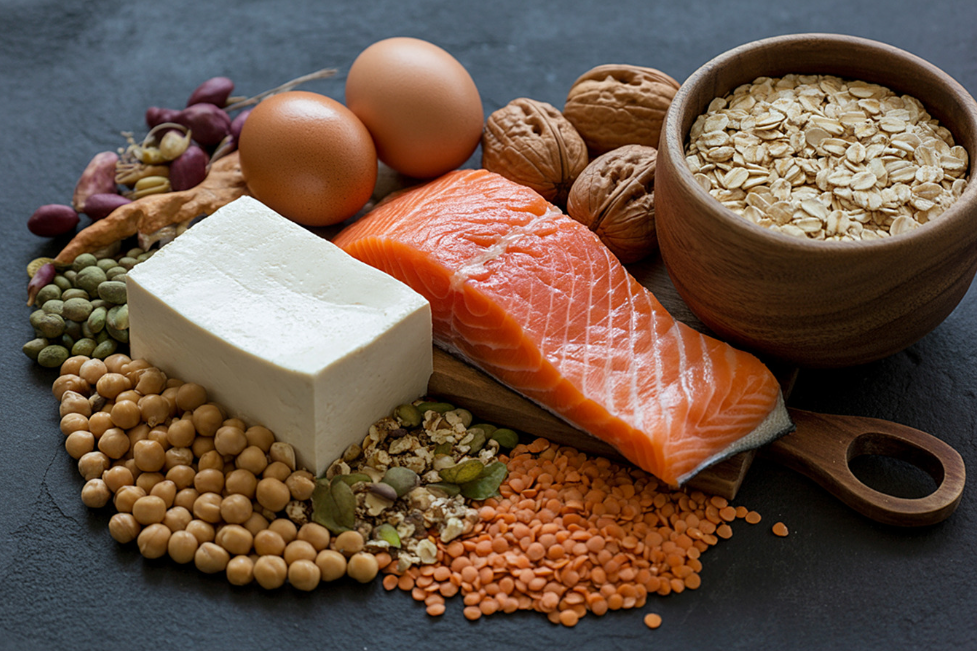
Protein and fiber slow digestion and help maintain steady blood sugar levels. Examples include eggs, fish, chicken, beans, tofu, nuts, seeds, oats, or leafy greens. A balanced plate with protein, vegetables, and healthy fats can keep energy stable for hours.

5. Respect your daily rhythm
Late-night eating can disrupt both sleep and blood sugar regulation. This includes anything you are putting into your body — not just snacks. Alcohol, sweets, heavy meals, or even frequent evening grazing can keep the body metabolically active when it should be winding down.

When rhythm returns to the body, the benefits extend far beyond food.

Energy becomes more reliable.
Thinking becomes clearer.
Sleep deepens.
Confidence returns.

This is the foundation of real vitality.

Inside The Radiance Reset Program, we work on restoring these rhythms in a structured way – stabilizing blood sugar, supporting cortisol timing, and nourishing the nervous system so the body can function the way it was designed to.

Most women lose between 10–15 pounds in six weeks as inflammation lowers, blood sugar stabilizes, and cortisol rhythms reset. The weight loss is not the strategy – it’s the outcome of metabolic recalibration.

But the deeper shift many women experience is something they haven’t felt in years: steady energy, a calmer mind, and confidence in their body again.

Because when rhythm returns, radiance follows.

The Real Reason People Can’t Sleep

Struggling to sleep isn’t always about light, medication, or illness. Most often, it’s your nervous system that’s unsettled – and sometimes your soul.

Even the calmest-seeming people can carry anxiety, regret, overstimulation, or unresolved emotion. When that internal hum never quiets, sleep becomes fragile. And when sleep is fragile, digestion, hormones, energy, and mood follow. We absorb so much – ideas, opinions, food, stimulation, even other people’s stress. When our inner processing breaks down, judgment, constriction, and agitation take over. The spirit resists. The nervous system stays on alert. Cortisol mistimes itself. Blood sugar fluctuates.


If you’re constantly in fight-or-flight mode, how can you truly rest? As I wrote in Skinny Jean’s Lifestyle: “It’s not about what you’re eating. It’s about what’s eating you.” Ignoring this costs you sleep, clarity, vitality – and eventually metabolic stability. The good news? Rhythm can be restored. And when rhythm is restored, sleep returns.

5 Practical Steps to Sleep, Peace, and Vitality

1. Notice the truth
Acknowledge what feels unsettled within you. Awareness calms the nervous system faster than avoidance.

2. Appreciate what’s around you
Look around and name five things you genuinely love. Gratitude shifts physiology, not just mood.

3. Connect with innocence
Pets, nature, or even a smile – these regulate your system more than another supplement ever could.

4. Nourish your body
Choose real, steadying foods most of the time. Stable blood sugar in the evening often determines whether you sleep through the night.

5. Listen to your body
Tired? Rest. Hungry? Eat. Restless? Move. Your body speaks in rhythms. Honor them.

Healing begins with love – but love is expressed through rhythm.

Think of sleep as your daily dose of Vitamin S.  Essential. Sacred. Non-negotiable.

Pay attention to your rhythm from waking to winding down. When your daily rhythm is steady, your metabolism steadies. When your metabolism steadies, your nervous system softens. And when that happens, sleep becomes natural again. This is the deeper work I do helping to restore the biological rhythms that allow radiance, energy, and steady weight loss to emerge.

Our programs address food and so much more. Most women lose between 10–15 pounds in six weeks as inflammation lowers, blood sugar stabilizes, and cortisol rhythms reset. The weight loss is not the strategy – it’s the outcome of metabolic recalibration.

But even more importantly, they begin sleeping again. Feeling calm again. Feeling like themselves again. If that’s what you’re wanting, this is where we begin.

Digestive Confidence: Eating in a Way That Helps Your Body Feel Calm, Comfortable, and Supported

For many people today, digestion has become something they worry about, monitor closely, or try to “fix.” Bloating, irregular bowel movements, gas, or feeling overly full can quickly create anxiety around food and eating.

Yet digestion is not meant to feel complicated or stressful. In fact, most digestive systems respond best to simple, nourishing, traditional foods and relaxed eating habits.

Instead of focusing on restriction or chasing the latest gut health trend, a more supportive approach is what I call digestive confidence – learning to eat in a way that helps your body feel steady, comfortable, and predictable.

What Is Digestive Confidence?

Digestive confidence is the ability to eat without fear or constant second-guessing. It means understanding which foods generally support digestion, recognizing how your body responds, and trusting that your digestive system is capable and resilient.

Rather than searching for perfect diets or quick fixes, digestive confidence focuses on creating daily eating patterns that naturally support the gut.

Foods That Commonly Support Comfortable Digestion

Fiber-Rich Foods That Nourish Without Overwhelming

Fiber plays an important role in bowel regularity and gut health. However, many people experience discomfort when they dramatically increase fiber or rely heavily on raw foods.

Gentle, well-tolerated fiber sources include:

  • Cooked oatmeal
  • Chia seeds (soaked)
  • Ground flaxseed
  • Kiwi
  • Sweet potatoes
  • Cooked vegetables such as zucchini, carrots, and spinach

Cooked vegetables and grains are often easier to digest than raw versions, especially during colder months or when digestion feels sensitive.

Gradually introducing fiber allows the digestive system to adjust comfortably.

Fermented Foods That Support the Gut Microbiome

Fermented foods introduce beneficial bacteria that help support balance within the digestive tract. Consistency is more helpful than large amounts.

Helpful fermented foods include:

  • Yogurt with live cultures
  • Kefir
  • Sauerkraut in small servings
  • Kimchi
  • Miso

Many people notice improvement in digestion when fermented foods are introduced slowly and eaten regularly.

Mediterranean-Style Foods That Promote Digestive Balance

The Mediterranean style of eating continues to be strongly associated with digestive comfort and overall health. It emphasizes whole, nourishing foods that are naturally anti-inflammatory and easy for most people to tolerate.

Key digestive-supporting foods include:

  • Extra virgin olive oil
  • Fish such as salmon or sardines
  • Cooked lentils and legumes
  • Rice and quinoa
  • Lightly cooked leafy greens

This approach supports digestion without relying on extreme food rules or elimination diets.

Foods That Help Reduce Bloating and Gas

Many traditional foods gently support digestive movement and reduce gas buildup.

These include:

  • Ginger
  • Peppermint
  • Fennel
  • Bananas
  • Rice
  • Eggs
  • Bone broth
  • Light soups and stews

These foods are particularly helpful when digestion feels sluggish or unsettled.

Foods That Encourage Regular Bowel Movements

Certain foods are especially effective in supporting comfortable and predictable bowel patterns.

Commonly helpful options include:

  • Kiwi
  • Prunes or prune juice
  • Oats
  • Chia seeds
  • Warm fluids such as herbal teas or warm water

Hydration plays a critical role in bowel regularity and should always accompany fiber intake.

How Food Is Eaten Matters as Much as What Is Eaten

Digestive confidence also involves eating habits that support the body’s natural digestive process.

Helpful practices include:

  • Eating slowly and chewing thoroughly
  • Sitting down and minimizing distractions while eating
  • Avoiding overeating or rushing meals
  • Maintaining regular meal timing
  • Taking gentle walks after meals

These simple habits activate the body’s natural “rest and digest” response, which allows the digestive system to function efficiently.

Moving Away From Food Fear

Many people begin to feel anxious about eating when digestive symptoms occur. It is important to remember that occasional bloating or discomfort is common and does not mean something is wrong with your body.

Digestive systems are responsive and adaptable. Most people benefit from focusing on nourishment, consistency, and body awareness rather than strict food rules.

Building Your Own Digestive Confidence

Digestive confidence grows when you:

  • Choose mostly whole, gently prepared foods
  • Introduce new foods gradually
  • Notice which foods help you feel comfortable and energized
  • Stay hydrated
  • Create relaxed, consistent eating patterns

Over time, this approach allows the digestive system to function with less strain and more predictability.

A Gentle Reminder

Your digestive system is designed to work for you, not against you. When supported with balanced foods, mindful eating habits, and patience, most digestive systems regain stability and comfort.

Digestive confidence is not about perfection. It is about developing trust in your body and choosing foods and habits that help you feel well.

If you experience ongoing or severe digestive symptoms, it is always wise to seek medical evaluation. For everyday digestive discomfort, however, small, consistent dietary and lifestyle choices often make a meaningful difference.

Giving Thanks Today and Every Day

As the autumn light softens and we gather around the table, it’s natural to pause and reflect – not just on what we are grateful for, but on the very act of nourishing ourselves. In this quiet moment, we might ask ourselves…

Is it food—or just chemicals? Can we truly call it “food”? I had a profound epiphany when I listened to an Indigenous leader explain that in their culture, they don’t call it food—they call it a relationship.

I began to wonder: what if we approached what we eat, and how we eat, as a relationship with the items themselves? What if nourishment wasn’t just about stuffing ourselves, indulging, or measuring portions, but about cultivating a conscious connection with what we take in?

Food, in this sense, isn’t just something we swallow—it becomes part of who we are. Just like in a relationship with another person, we absorb their energy, their essence, and carry it within us. Even when they’re not physically present, the memory, the conversation, the hug—we continue to relate to them. Why shouldn’t it be the same with what we eat?

Everything we consume—air, food, experiences, media, even the people we meet—becomes part of us. If we approach it with attention, respect, and care, we transform consumption into a conscious, honoring act. In many Indigenous cultures, this perspective isn’t new—it’s central to their way of being. For us, it might feel revolutionary, but it holds the potential for profound transformation in how we experience nourishment, nutrition, and even life itself.

Can you imagine having a relationship with that piece of turkey on your plate? Indigenous traditions teach us to honor, respect, and thank the animal for sacrificing its life so we may live. This is the essence of Thanksgiving—a sentiment largely lost in modern culture. Imagine if we extended that respect not just to animals, but to the plants, the earth, and all that provides sustenance.

It starts far earlier in the chain than just what lands on your plate. By learning about, honoring, and respecting nature, we awaken to a deeper appreciation—not only of our food, but of ourselves, of others, and of life itself.

This Thanksgiving, I invite you to pause. To honor what you eat. To cultivate a relationship with your food, and with all life that surrounds you—friends, family, pets, and the beautiful table before you. Let your gratitude flow from your heart down to your cells.

Let’s also remember the hidden effects of a “digital diet,” which can affect digestion and overall well-being. Shift the focus from mere consumption to respect, appreciation, reverence, and gratitude. This, I believe, is the true essence of Thanksgiving.

May your celebration be rich, noble, and filled with respect—for life, for those around you, and for the sacred nourishment that sustains you.

Now for the Best Stress-Free, Joy-Filled Holiday Ever

After reflecting on my caregiving a couple of weeks ago, I’m turning my attention to the holidays – a time for gratitude, connection, and self-care. Here are some tips for making your Thanksgiving meaningful, nourishing, and joyful.

The holidays are approaching.


Even if you don’t see snow outside, maybe you feel a storm brewing inside—a swirl of lists, events, meals, emotions… So much to do. So little time. Let’s change that. This year, your season can feel calm, grounded, and joyful.

So how can you Stay Calm, Centered & Nourished Through the Holidays?

Let’s walk through 10 tips that nourish your nervous system and support your whole self.


Tip 1: Don’t Arrive Hungry

Show up to events with stable blood sugar and a clear mind.

  • Snack on a small protein + healthy carb combo beforehand:
  • Almonds + apple
  • Hummus + crackers
  • Hardboiled egg + carrots

Why? It helps prevent sugar crashes, binge eating, and feeling “stuffed and stressed” later.

Tip 2: Watch Your Yes’s

Your calendar doesn’t need to look like a marathon.

  • Choose 1–2 meaningful events per week
  • Protect downtime like it’s sacred
  • Overscheduling = hormone havoc + nervous system fatigue
  • Give yourself permission to say “no” more often.

Tip 3: Take a Break (Yes, You!)

Make “relaxation” a non-negotiable appointment.

  • Journal
  • Take a walk
  • Do nothing for 10 mins

This isn’t indulgent. It’s strategic.
You’ll feel better, think clearer, and enjoy more

Tip 4: Avoid Overspending

Let go of the pressure to “buy just to buy.”

Gift something small, thoughtful, and health-inspired:

  • Massage
  • Nutrition consult
  • Homemade tea blend

You’re allowed to give within your budget and values.

Tip 5: Stay Home (Really)

You don’t have to travel this year.

  •  Host instead
  • Control the menu, the pace, and the energy

Make your home festive yet simple:

  •  Candles
  • Fruit bowls with mandarins, persimmons, grapes
  • Calm music

You can be surrounded by joy without being overwhelmed.

Tip 6: Limit Alcohol

Alcohol may soothe nerves short-term, but long-term it fogs focus.
Try:

  • Sparkling water with lime
  • Chai tea or golden milk
  • Cranberry + seltzer

Balance it out with hydration and clarity.

Tip 7: Take Your Supplements

Support your body’s stress resilience.

  • Vitamin C + B Complex
  • Herbs like Ashwagandha or Holy Basil
  • A quality multivitamin + immune formula

The holidays deplete nutrients. Be proactive—not reactive.

Tip 8: Appreciate What You Already Have

Pause to reflect…
Who fills your life with meaning?
What accomplishments are you proud of this year?

Gratitude softens stress, reduces emotional overeating, and brings you back to center.

Start each evening by naming 3 things you’re thankful for.
It’s better than a sleeping pill.


Tip 9: Don’t Skimp on Sleep

Your nervous system needs rest to cope.

  • Aim for 7–8 hours/night.
  • Power down 1 hour before bed (no screens!)
  • Take 10–20 min recharge breaks midday.

Sleep is your Vitamin S—essential for healing, energy, and emotional balance.


Tip 10: Move Your Body

Holiday movement = stress relief + joy (not punishment).

  • Morning Walk before big meals
  • Dance in your living room
  • Stretch while the kettle boils

Wait 2–3 hours after eating before exercising for better digestion and energy.

Your Calm, Nourished Season Starts Now

The holidays don’t have to be a blur of overwhelm. By honoring your rhythms, needs, and boundaries…
You can experience the season with peace, vitality, and presence.

Which of these tips will you start with?

Let’s make it a heartfelt, healthy holiday – together.

What I Learned Being a Caregiver

On the eve of my husband’s birthday, I felt it was the perfect moment to share this with you – a reflection on love, caregiving, and the lessons I learned…

Caregiving changes you. It tests your strength, patience, and heart in ways you could never imagine. In this deeply personal reflection, I share what I learned from caring for my husband through years of illness – the love that sustained us, the trauma that followed, and the lessons that continue to shape my healing journey today.

A Journey of Love, Loss, and Strength

This article is different from others I’ve written. It comes straight from the heart—not that my other work hasn’t—but this one comes from lived experience: the experience of being a caregiver and watching someone you love suffer right before your eyes, every day. It’s one of the hardest things anyone can go through – and even harder to forget.

“Years of challenge taught me what I was truly made of.”

The trauma of 24-hour caregiving of being constantly on alert, of not knowing if my husband would still be alive when I came down the stairs each morning—that kind of stress leaves a mark. It took me years to begin feeling calmer and less triggered inside.

It’s now been three and a half years since I lost him, and only recently have I been able to walk into a hospital again without panic. I suffered from post–caregiver PTSD (PCPTSD) – a form of caregiver trauma many people experience but few talk about. Soldiers in war zones know what they’re facing. But when your “war zone” is your living room, and your loved one is the patient, PTSD feels like something you shouldn’t have. Yet it’s very real.

What helped me most was the support of friends, family, and community. It truly took a village to keep things going. Over the years, countless caregivers, nurses, and allied health professionals came through our home – it often felt like a full-scale operation.

“I used to say I was the CEO of a hospital at home.”

The Complex Role of Caregiving

Have you ever cared for a loved one—or are you doing so now? It’s one of the most complex, emotional experiences you can have. I cared for my husband for seven years as his health slowly declined. There were countless hospital visits – many to the ER, and many admissions lasting one to three weeks at a time.

I noticed something surprising: the sicker he became, the more health benefits, programs, and supports became available. It was especially evident in 2020, when the world shut down. I remember saying more than once, “Welcome to my world.” I had already been living that reality for years – unable to make plans, facing constant health concerns, living with unpredictability, and navigating the medical and insurance systems daily.

This is the unseen side of caregiver burnout – the exhaustion that builds when you give everything you have, day after day, to someone you love.

Feeding the Body and the Soul

Nutrition was another challenge. I had to manage a kidney-friendly, dialysis-approved diet that later became a puréed diet during his final years. Even with Meals on Wheels delivering food, I was constantly supplementing for extra protein and calories as he continued losing weight. But caregiving isn’t just about feeding the body – it’s about feeding your own soul too.

How to Care for Yourself While Caring for Another

Caregiving takes grit, determination, and an open heart.
Not everyone can do it – and that’s okay. If you can’t, or couldn’t, there’s no need for guilt. Therapy helps. Friends and family help. Laughter helps. And above all, love pulls you through.

In my husband’s final days, doctors often marveled at how he kept bouncing back from the brink. My answer was simple: Vitamin L.

“Vitamin L” or Vitamin Love – is the most powerful supplement of all.

It’s made of devotion, focus, and unwavering commitment – to your loved one, to yourself, and to life itself. I know without a doubt that love kept my husband alive far longer than expected. And I would do it all again.

Through it all, love was present – not always, but often enough, and with the right people at the right times. Love has the power to heal. Even though my husband didn’t survive, he was deeply loved and cared for to the very end. Our final Christmas together in 2021 was bittersweet – filled with sadness, yes, but also deep joy and profound insight.

If You’re Caring for Someone Now

If you’re in the middle of caregiving, please know help is available. Ask for it. There are organizations, family members, friends, and compassionate professionals ready to assist. You’ll form relationships with doctors, nurses, and staff – lean on them.

Ask questions. Ask for resources. Don’t try to do everything alone. The more help you accept, the stronger you’ll be – for both your loved one and yourself. Take breaks. A break might be as simple as closing the door for an hour, meditating, or watching a funny movie. Eat nourishing foods. Get as much rest as you can.

Take your own doctor appointments seriously. Have lunch with friends. Enroll in an online course. Go for walks. Do something – anything – that helps you feel human again.

“You don’t have to be a hero. You already are one.”

Let go of the idea that you can or should do it all yourself. You can’t—and you shouldn’t. You deserve care, too.

Honor Your Emotions

Perhaps most importantly, honor your emotions – all of them.The good, the bad, and the messy.

They’re all valid, and they’re all teachers. Anger doesn’t make you ungrateful; sadness doesn’t make you weak. Allow your feelings to surface, acknowledge them, and let them guide you toward understanding or release. Grief healing takes time – and being gentle with yourself can help ease the way forward.

Caregiving is rarely a gentle journey. But being gentle – with yourself and your loved one – makes the road a little easier.

Five Key Takeaways

  1. Ask for help early and often. You can’t and shouldn’t do this alone.

  2. Take care of your own health. Eat well, rest deeply, and stay connected.

  3. Find your “Vitamin L.” Love fuels both the caregiver and the cared-for.

  4. Honor all emotions. Every feeling you have is valid and human.

  5. Stay connected to support. Community, laughter, and compassion make everything more bearable.

If this story resonates with you, if you’re feeling depleted, lost, or simply ready to feel like yourself again, I offer personalized caregiver coaching. Together, we’ll create space for your healing, restore balance, and help you rediscover your strength and peace.

Learn more about my Caregiver Renewal Program

If you’d like support or guidance on your caregiving journey, I offer private caregiver coaching support to help you restore balance, peace, and self-care.

Personalized Care—Just for You

Because your body, your stress, and your life are uniquely yours.

If there’s one thing, I’ve learned in decades of working with clients, it’s this: there is no one-size-fits-all approach to health.

Personalized care means care designed just for you – your history, your habits, your goals, and even your temperament. When you work with me, the process is high-touch, intuitive, and compassionate. Together, we change behavior gently but effectively.

As the Beatles once sang, “With a little help from my friends,” – we all need that help. We need to feel supported, but more than that, we need to know we are supported. Those two things may sound similar, but they’re not. Feeling supported and being supported are two nuanced parts of the same coin.

Stress can show up in many ways: loneliness, anxiety, lethargy, feeling unproductive, or overwhelmed. It’s not always about pressure. It’s about life.

And one truth we often forget is that life doesn’t come without suffering. The sooner we accept that, the less we suffer.

It may sound like a radical concept but think about it. So much of what we do is an attempt to avoid or deny the simple fact that being human includes discomfort. Positive thinking and good habits are essential – but they don’t erase the reality that we sometimes hurt, struggle, and grieve.

Suffering, in its simplest form, is what happens when we don’t have what we want—or when we lose something or someone we love. There’s no point in our lives when we’re entirely free from it. What matters is how we move through it, with awareness and grace.

Why I Focus on Lifestyle, Not Diets

When I wrote my book Skinny Jeans Lifestyle, I didn’t call it The Skinny Jeans Diet for a reason. A lifestyle recognizes that every part of your life—your relationships, work, sleep, movement, emotions, and yes, your food—shapes your health.

Your ability to handle stress, to dream, to feel grounded and vibrant—these are all connected.

What Makes Personalized Lifestyle Medicine So Powerful

Everyone experiences stress and imbalance, but how they show up for you is completely unique.

Let’s look at three examples:

  1. The Energetic Eater – Eats clean, exercises regularly, but still feels tired or stuck.

  2. The Balanced Sleeper – Sleeps well and walks daily but struggles with poor food choices.

  3. The Restrictive Faster – Eats one large meal a day, sleeps well, and feels calm – but is taxing the body in subtle ways.

Each of these people needs a different approach. Personalized Lifestyle Medicine meets you exactly where you are.

When I work with someone, we begin with the basics, then modify and refine as we go. We address not only what you eat or how you move, but how you think, react, and live.

Your background, family history, cultural influences, emotions – all of it matters. And as your life evolves, your plan evolves too.

That’s what I mean by personalized.

Your Life Should Fit Your Program—Not the Other Way Around

If you want to fit into your “skinny jeans,” you also have to fit into your life. Any system for change has to work with your reality, not against it. That’s where guidance helps.

You may not always see what you need to see – but that’s what I’m here for. To guide, to observe, and to help you uncover what works for you.


Are You Keeping Track?

There’s been a lot of excitement — and also confusion — about wearables lately. I’ve had more and more clients asking me: Do I really need one? Will it help me live longer and healthier, or is it just the latest fad?

It’s a fair question. Between flashy advertising, friends recommending their favorite gadgets, and the sheer number of choices on the market, it can feel overwhelming. Cost is another factor. While a continuous glucose monitor (CGM) may be covered by insurance if you’re diabetic, for many people it’s an out-of-pocket expense.

So, what are the benefits of investing in wearables?

  • They can provide valuable insights into how your body responds to food, movement, stress, and sleep.

  • They can highlight patterns you may not notice on your own.

  • Used well, they can become a tool for self-awareness and better decision-making.

The flip side is that some people become obsessive about the numbers, which can actually create more stress rather than less. That’s why I always emphasize balance: a wearable is best used as a tool, not the ultimate authority on your health.

I’m all for learning what makes you tick. Wearables can be one way to do that — but so can listening to your body, paying attention to your diet, moving regularly, and, perhaps most profoundly, getting good-quality sleep.

Quick Comparison of Popular Wearables

Oura Ring – Best for sleep tracking, recovery insights, and stress balance. Small, discreet, but no screen.

Whoop Band – Best for athletes and performance-driven individuals. Excellent Heart Rate Variability or HRV and recovery tracking, but requires a subscription.

Garmin – Best for active outdoor enthusiasts. Strong fitness, GPS, and stress tracking features. Wide range of models and price points.

Apple Watch – Best all-rounder. Combines stress and HRV data with everyday use (calls, apps, notifications). Great if you want one device to do it all.

Continuous Glucose Monitor (CGM) – Best for blood sugar awareness. Offers real-time glucose feedback. More medical in nature, can be eye-opening but may feel intense for some.

My Takeaway

If you’re health-conscious and longevity-minded, wearables can offer powerful insights — but they’re not the only way to know yourself. The most important step is finding the right mix of tools and practices that help you stay in tune with your body.

Next Steps

If you’re curious about trying one of these tools, or you’re not sure which might fit best with your lifestyle, I’d be happy to explore it with you. Just reach out whenever you’re ready — no rush. Sometimes the best next step is simply a conversation.