Archive for Diet

 What I ate when my life became chaotic

 Food Is Information

What you eat doesn’t just fill your stomach. It gives your body information about how to function, repair, regulate, and respond to the demands of your life.

We tend to think about food in terms of calories. How many calories are in this? Is this going to make me gain weight? Should I eat this or shouldn’t I? But I’ve always believed there’s a more useful question to ask:

What is this food going to do for me?

Because food is information. Every time you eat, you’re giving your body ingredients. Those ingredients interact with your hormones, blood sugar, digestive system, microbiome, immune system, brain, and energy production. Food can help you feel nourished and steady. Or it can give you a quick boost followed by a crash. It can support clarity and sustained energy. Or it can leave you feeling sluggish and searching for something else an hour later.

This doesn’t mean food has to be perfect. It means we can become more intentional about the information we’re giving our bodies.

I Was Reminded of This Recently

I’ve had a very personal lesson in this over the past few weeks. I was preparing my entire home for new carpeting. What sounds simple – “get the house ready for carpet”- turned into a much bigger process. I was packing boxes, unpacking boxes, sorting, cleaning, organizing, deciding what to keep and what to let go of.

Then doing it again.

And again.

I was carrying things up and down the stairs, bending, lifting, walking, standing, and constantly changing from one task to another. It was physical work. But it was also mental and emotional work. My home held seven years of memories from caring for my husband through an incredibly difficult period of our lives. Going through those belongings meant revisiting pieces of that chapter and deciding what I was ready to keep – and what I was ready to shed. It became a literal and emotional clearing process.

And meanwhile, there was a deadline. The carpet installers were coming. I had to get it all done. My schedule became chaotic.

Pack.

Rest.

Pack some more.

Eat.

Sort.

Make decisions.

Move things.

Rest.

Start again.

And to boot it was also extremely hot – around 100 degrees for much of that time. This was exactly the kind of situation in which it would have been very easy to stop paying attention to food. When you’re exhausted, stressed, hot, and under pressure, quick energy and comfort food can suddenly look very appealing.

And sometimes ice cream sounds a whole lot more appealing than cooking a meal.

But this is where the concept of food as information became very real for me.

I Needed Food That Gave Back

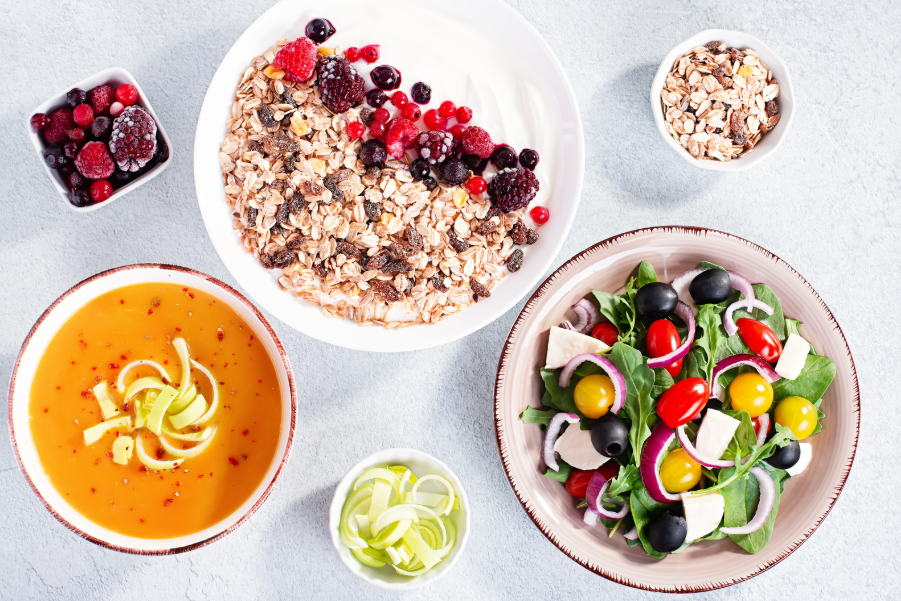
I knew I needed to keep myself nourished because I still had a lot to accomplish. I wasn’t interested in eating a “perfect” diet. My food that would give me something back. Instead of reaching for sweets every time I wanted quick energy, I often chose nuts. Instead of cooking a complicated meal in the heat, I looked for foods that were simple, fresh, and easy to assemble.

  • Fresh figs
  • Strawberries
  • Yogurt
  • A little cheese
  • A small piece of sourdough bread
  • A refreshing salad

And when I wanted something more substantial, I might have chicken, asparagus, and sweet potato. I wasn’t following a rigid schedule because, frankly, my schedule wasn’t particularly predictable. I was listening.

What do I need right now?

  • Am I actually hungry?
  • Do I need protein?
  • Do I need something refreshing?
  • Do I need to sit down and eat rather than continue working?
  • Do I need a break?

And if I really wanted something sweet, I didn’t make it forbidden. Often, I would eat something nourishing first. That changed the experience completely. The food wasn’t simply about satisfying hunger. It was helping me continue.

Food Affects More Than Your Weight

This is what I want you to remember. Food isn’t just about the number on the scale.

The right foods can support:

Your energy – your brain needs fuel.

Your hormones – your body uses nutrients from the food you eat to make and regulate hormones.

Your blood sugar – the composition and timing of your meals can influence how steady your energy feels throughout the day.

Your gut – the foods you eat help create a healthy or unhealthy environment for your gut microorganisms.

Your mood – your brain and gut are closely connected, and nutrition plays an important role in both.

And perhaps most importantly for busy women:

Your ability to think clearly. That became especially apparent to me during this renovation. I was making decisions all day long.

  • What stays?
  • What goes?
  • Where does this belong?
  • What needs to be done next?
  • What can wait?
  • What do I need to accomplish before the installers arrive?

Decision fatigue is real.

And when you’re physically depleted and underfed, making good decisions becomes even harder.

Nourishment Gave Me Clarity

I noticed that when I ate well, my brain had more fuel so I could think more clearly. I could organize more effectively. I could make the next decision without feeling like I had to solve the entire project at once. And that last part was important. I didn’t have to figure out everything. I only had to figure out the next step.

  • Pack this box
  • Rest
  • Move those things
  • Eat
  • Take a break
  • Do the next thing

That made an enormous project feel much less overwhelming.

And there was another surprise.

With all the lifting, carrying, bending, walking, and going up and down stairs, I didn’t feel the same need to go to the gym during those final weeks. My body was moving a lot That doesn’t mean household chores replace intentional strength training. They don’t. But it reminded me that movement doesn’t only happen in a gym.

Your body benefits from being used throughout the day.

Nourishment Isn’t About Perfection

I think this is especially important for women whose lives don’t always fit neatly into a schedule.

There will be:

  • Days when you eat later than usual.
  • Days when you don’t feel like cooking.
  • Days when you’re traveling.
  • Days when you’re caring for someone else.
  • Days when your calendar is completely upside down.

The answer isn’t to throw your hands up and say, “Well, I blew it.”

It’s to ask:

What is the most nourishing choice I can make right now?

  • Maybe it’s a simple salad with protein.
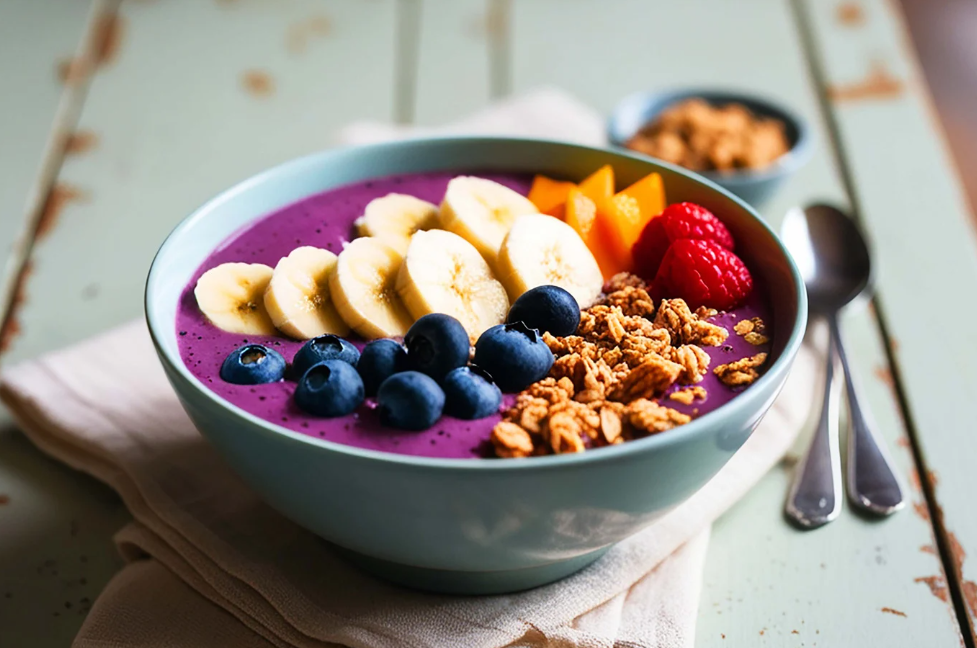
  • Maybe it’s yogurt and fruit and a handful of nuts.
  • Maybe it’s a real meal instead of grazing on whatever happens to be available.
  • Maybe it’s eating before you’re completely depleted.
  • Maybe it’s drinking some water and taking five minutes to sit down.

These choices don’t have to be complicated. They can be simple and intentional.

What Information Are You Giving Your Body?

Your body is listening. Every meal is an opportunity to provide information. Not a test, a moral judgment or a pass or fail.

Just information.

And when life gets stressful, that information may matter even more. Because when you’re asking your body to handle physical work, mental pressure, emotional stress, decision-making, and an unpredictable schedule, you need to give it the raw materials to do the job.

Food is not simply something to control.

Food is something to use. Use it to nourish yourself and to support your energy. The best food will help your brain think clearly and your body recover. It’ll give you something back when life is asking so much of you. You don’t need to eat perfectly. You need to eat in a way that supports the life you’re actually living.

And sometimes, the most important question isn’t:

“Will this make me gain weight?”

It’s:

“Will this help me feel and function better?”

That is a very different way of thinking about food.

And it can change everything.


This Week’s Reflection

Before your next meal or snack, pause for a moment and ask yourself:

“What information am I giving my body right now?

Will this food leave me energized or depleted?

Will it help me feel satisfied and steady – or will I be looking for something else an hour from now?

And perhaps most importantly:

What does my body need today?

You don’t have to change your entire diet. Make one nourishing choice this week – and notice how your body responds. Sometimes, the first step toward changing the way you eat isn’t eating less. It’s learning to nourish yourself better.

The diet worked at 35.  Why not now?

It’s not because you’ve lost your discipline. Your body has changed – and your strategy needs to change with it.

Maybe you’ve noticed it. The same diet that worked beautifully in your 30s doesn’t seem to work anymore. You cut back. You exercise more. You try to be “good” during the week. And yet the scale barely moves – or the weight comes back as soon as you stop restricting.

You may even find yourself thinking:

“Why is this so much harder than it used to be?”

First, let me tell you something I tell my clients:

It’s not necessarily your willpower.

Your body at 45, 50, 55, 60, or beyond isn’t the same body you had at 30. That doesn’t mean you’re destined to gain weight. It means you need to understand what’s changed.

Muscle Changes the Equation


One of the most important changes as we age is the gradual loss of muscle mass.

Muscle is metabolically active tissue. It helps determine how much energy your body uses and plays an important role in blood sugar regulation, strength, mobility, and overall metabolic health. When we lose muscle and don’t actively work to maintain or rebuild it, our bodies may burn fewer calories at rest.This is one reason simply eating less can become increasingly frustrating. You may be eating fewer calories—but you may also be losing more muscle.

The goal isn’t simply to make the number on the scale smaller. It’s to preserve the metabolically active, strong body underneath it.

That means resistance training and adequate protein become increasingly important as we get older.

Hormones Are Part of the Picture

Hormonal changes also influence how your body responds to food, stress, sleep, and exercise. For women, the years surrounding menopause can bring significant changes in estrogen and other hormones.

You may notice changes in:

  • Where you carry weight
  • Appetite and cravings
  • Sleep
  • Energy
  • Muscle mass
  • Body composition

This doesn’t mean hormones are solely responsible for weight gain. But they are part of a much bigger picture. And when several changes happen at the same time, the strategy that worked in your 30s may no longer be enough.

Blood Sugar Matters

Here’s another piece that doesn’t get enough attention. How your body handles glucose – the sugar circulating in your bloodstream – can change over time. Stress, poor sleep, inactivity, meal patterns, food choices, and changes in body composition can all influence blood sugar regulation and insulin sensitivity.

You may recognize the cycle:

You skip breakfast or grab something quick.

You get hungry.

  • You reach for something sweet or carb-heavy.
  • You get a temporary boost.
  • Then comes the crash.
  • And you’re hungry again.

This isn’t about labeling carbohydrates as “bad.” It’s about creating meals that give your body the nutrients it needs to maintain steadier energy and blood sugar.

  • Protein.
  • Fiber-rich carbohydrates.
  • Healthy fats.
  • Whole, minimally processed foods.
  • And meals that are satisfying enough that you’re not spending the afternoon fighting cravings.

Your Gut Is Part of the Conversation

We’re also learning more about the enormous role the gut microbiome plays in overall health. Your digestive system isn’t simply a tube that processes food. The trillions of microorganisms living in your gut interact with your immune system, metabolism, digestion, and other systems throughout your body. Diet, stress, sleep, medications, age, and lifestyle can all influence your gut microbiome. That doesn’t mean you need to buy every probiotic on the shelf.It means your overall eating pattern matters.

A variety of plant foods, adequate fiber, fermented foods when tolerated, and a diverse diet can help support a healthier gut environment.

Your gut doesn’t need perfection. It needs nourishment and variety.

Then There’s Stress

This one is huge.

You can eat beautifully and exercise regularly, but if your nervous system is constantly operating under stress, your body is receiving a very different set of signals. Chronic stress can affect cortisol, sleep, appetite, blood sugar regulation, food choices, and where your body tends to store fat. And let’s be honest. Many women over 45 aren’t simply dealing with their own responsibilities. They’re managing businesses and careers, children and grandchildren, aging parents, relationships, households, and everyone else’s needs.

Sometimes your “diet problem” isn’t really about food. It’s about the fact that you’re running your entire life on empty.

Inflammation Adds Another Layer

Inflammation is another piece of the puzzle. Acute inflammation is a normal and necessary part of the body’s response to injury or infection. But chronic, low-grade inflammation is associated with a number of health conditions and can be influenced by factors including excess body fat, poor sleep, chronic stress, diet, inactivity, and other lifestyle factors.

Again, this is why there’s rarely one magic answer. Your body is an interconnected system.

What happens in one area can affect another.

  • Sleep affects appetite.
  • Stress affects sleep.
  • Muscle affects glucose regulation.
  • Food affects the gut.
  • The gut interacts with the immune system.
  • And your emotional state can influence all of it.

That’s why I don’t believe in looking at weight as an isolated problem.

So What Should You Do Differently?

Instead of asking:

“What diet should I go on?”

I encourage women to ask:

“What does my body need now?”

  • Maybe it’s more protein.
  • Maybe it’s strength training.
  • Maybe it’s a more consistent eating pattern.
  • Maybe it’s more fiber and variety.
  • Maybe it’s better sleep.
  • Maybe it’s reducing the chronic stress you’ve been treating as normal.
  • Maybe it’s learning to stop eating on autopilot.
  • Maybe it’s a combination of several things.

This is where personalized nutrition becomes so important. There isn’t one perfect diet for every woman over 45. Your history, lifestyle, preferences, stress, sleep, activity, metabolism, and goals all matter. The answer isn’t necessarily to eat less. It may be to nourish better, move differently, recover more, and understand what your individual body needs.

You Haven’t Failed

If you’ve tried diet after diet and you’re frustrated because the results don’t last, please don’t automatically blame yourself. You haven’t necessarily lost your discipline. You haven’t necessarily “ruined” your metabolism. And you certainly don’t need another punishing diet.

Your body has changed.

Your strategy needs to change with it. The goal isn’t to return to the body you had at 30. The goal is to create the healthiest, strongest, most energized version of the body you have today. And that is possible.

Your metabolism isn’t broken.

It simply needs a different strategy.


This Week’s Reflection

Instead of asking yourself, “How can I lose weight?”, try asking:

“What is one thing my body needs more of right now?”

  • More protein?
  • More strength?
  • More sleep?
  • More nourishing food?
  • More movement?
  • More recovery?
  • More time to breathe?

Choose one.

You don’t have to change everything at once. Sometimes the most powerful health transformation begins with one small change that your body can sustain.

Protein, Fiber, and Hormones: The New Weight-Loss Priorities After 45

For many women, weight loss after 45 feels completely different than it did in their 20s and 30s.

The same eating habits no longer work. Belly fat becomes more stubborn. Energy drops. Sleep changes. Muscle tone feels harder to maintain. And despite doing “all the right things,” the scale often refuses to move.

The truth is midlife weight changes are not simply about calories or willpower.

Hormonal shifts, stress, muscle loss, sleep disruption, insulin resistance, and changing metabolism all play a role. That is why the conversation around health after 45 needs to evolve beyond dieting alone.

Today, more women are exploring both natural strategies and medications like Ozempic and Wegovy – but the real goal is not simply losing weight.

It is rebuilding energy, strength, metabolism, and confidence in your body again.

Why Midlife Weight Gain Happens

As estrogen levels fluctuate during perimenopause and menopause, the body often becomes more sensitive to stress, blood sugar swings, poor sleep, and muscle loss.

Many women notice:

  • Increased belly fat
  • More cravings
  • Lower energy
  • Slower recovery
  • Trouble sleeping
  • Greater difficulty maintaining muscle tone

At the same time, life itself becomes heavier. Careers, caregiving, aging parents, emotional stress, and years of putting everyone else first can begin to catch up physically.

One of the biggest hidden changes is the gradual loss of lean muscle mass that naturally occurs with age. Since muscle helps regulate metabolism, losing it can make weight management feel far more difficult.

This is why extreme dieting often backfires after 45. Women may lose weight temporarily but also lose muscle, energy, and long-term metabolic resilience.

The New Priorities: Protein, Fiber, and Strength

Instead of focusing only on restriction, women in midlife benefit far more from supporting the body strategically.

Protein First

Protein becomes increasingly important after 45 because it helps:

  • Preserve lean muscle
  • Support metabolism
  • Stabilize blood sugar
  • Reduce cravings
  • Improve satiety and recovery

Many women simply are not eating enough protein, especially earlier in the day.

A protein-first approach may include:

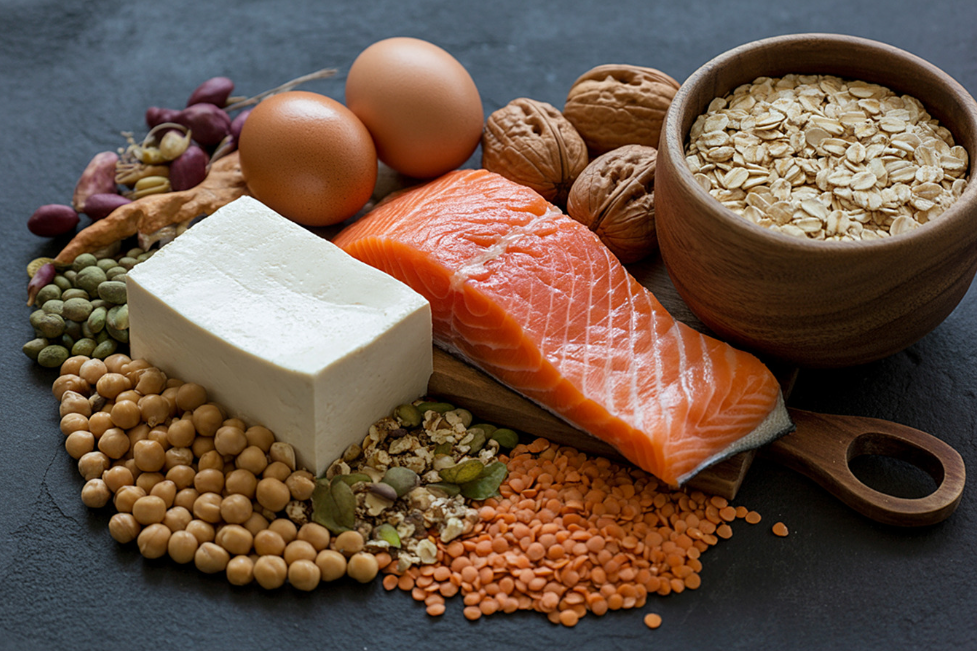
  • Eggs or turkey bacon at breakfast
  • Protein smoothies
  • Fish, chicken, tofu, or legumes at meals
  • Balanced snacks instead of sugary grazing

Fiber Matters More Than Ever

Fiber supports:

  • Digestion
  • Hormone balance
  • Cholesterol health
  • Appetite regulation
  • Gut health
  • Blood sugar stability

Simple additions like vegetables, berries, beans, chia seeds, oats, and flax can make a meaningful difference.

Strength Training Supports Metabolism

Many women spend years trying to “burn calories” through excessive cardio while overlooking resistance training.

But muscle is now part of the metabolism conversation.

Strength training supports:

  • Lean muscle preservation
  • Bone health
  • Insulin sensitivity
  • Energy
  • Healthy aging

Even two or three sessions per week can dramatically improve body composition and metabolic health.

GLP-1 Medications: One Tool, Not the Entire Solution

GLP-1 medications have changed the landscape of weight loss for many women.

For some, they reduce appetite, improve blood sugar balance, and create meaningful weight loss after years of struggle.

But medications alone do not teach women how to nourish themselves, preserve muscle, or build sustainable habits.

That is why nutritional and lifestyle support matters so much.

Amanda’s Story: Supporting Muscle and Metabolism on GLP-1s

Amanda came to see me after starting Ozempic. She loved her physician and was encouraged by her progress, but she quickly realized she needed deeper nutritional and lifestyle guidance while on the medication.

Her doctor advised her to work with a clinical nutritionist to help preserve muscle mass, support energy, and maintain healthy habits during weight loss.

Together, we focused on:

  • Protein-first meals
  • Hydration and electrolytes
  • Resistance training
  • Digestive support
  • Balanced nutrition rather than extreme restriction

A year later, Amanda is at her goal weight, maintaining her muscle tone, feeling energized, and thriving. Most importantly, she approached the medication as part of a larger health strategy rather than relying on it alone.

She often says she feels healthier now — not just thinner.

The Seven-Day Midlife Refresh

Instead of another extreme plan, try focusing on small shifts that support metabolism and energy.

For the next seven days:

  1. Eat protein at every meal.
  2. Add one extra serving of vegetables daily.
  3. Drink more water than usual.
  4. Walk for 10 minutes ½ hour or more after meals.
  5. Strength train at least twice this week.
  6. Reduce one ultra-processed food you eat regularly.
  7. Prioritize sleep instead of perfection.

The goal is not punishment.

The goal is creating a stronger, more resilient body for the next chapter of life.

Because after 45, health is no longer only about weight loss.

It is about protecting your metabolism, preserving your strength, supporting your hormones, and feeling like yourself again.

Your supplements could be costing you more than you think


In 1994, there were approximately 4,000 supplements on the market. Today there are over 200,000.

And yet, most people are navigating all of that alone – piecing together a routine based on something they heard, read, or were told. A recommendation from a friend. A social media post. A product that promises to target a specific issue.

On the surface, that seems reasonable. But this approach is often fragmented, reactive, and far from personalized. And that’s where the problem begins.

Because supplementation should never be random. It should be intentional, strategic, and specific to you – your body, your health history, your current demands, and your long-term goals.

After more than 30 years in clinical practice, I’ve seen this pattern repeatedly. People come in with bags of supplements – well-intentioned, but unnecessary. Often, they’re taking too much, the wrong combinations, or products their body simply doesn’t need – or can’t properly absorb.

Sometimes it’s not just what you’re taking. It’s the quality, the dosage, and the interactions between ingredients that matter most. And without proper guidance, it’s easy to miss that entirely.

A note on where to turn for guidance:

In one focused 45-minute Supplement Review, we look at:

• What you’re currently taking

• What may be unnecessary or ineffective

• What could be optimized or better targeted

You’ll leave with a clear, simplified protocol – specific to you – and the confidence of knowing exactly what you’re taking and why.

I’ve priced this intentionally – at $227, it’s less than most people spend on supplements they don’t need in a single month.

If this resonates, just hit reply. Tell me a little about where you are with your supplements, and I’ll reach out personally to set up your session.

Are Your Blood Sugar Swings Stealing Your Radiance?

Most people think radiance comes from the outside.

Better skincare. More exercise. Another supplement. A new diet.

But true radiance begins much deeper — in your metabolic rhythm. 

Radiance isn’t something we manufacture from the outside; it’s the natural expression of a body whose internal rhythms are balanced and supported.

One of the most important foundations of that rhythm is stable blood sugar.

When blood sugar rises and falls dramatically throughout the day, the body shifts into stress mode. Cortisol increases, energy crashes, cravings intensify, and sleep becomes more fragile. Over time, these fluctuations affect mood, digestion, hormones, and weight regulation.

Many women assume these symptoms are simply part of getting older. But in many cases, they are signs that the body’s metabolic rhythm has been disrupted.

When blood sugar stabilizes, something remarkable happens.

Energy becomes steady instead of unpredictable.
Cravings quiet down.
Sleep improves.
Mood becomes calmer.
The body begins responding again.

And very often, weight begins to shift naturally as inflammation lowers and hormones rebalance.

Radiance is not something you force. It emerges when the body is no longer in survival mode.

Simple Ways to Support Stable Blood Sugar

1. Start the day with real nourishment
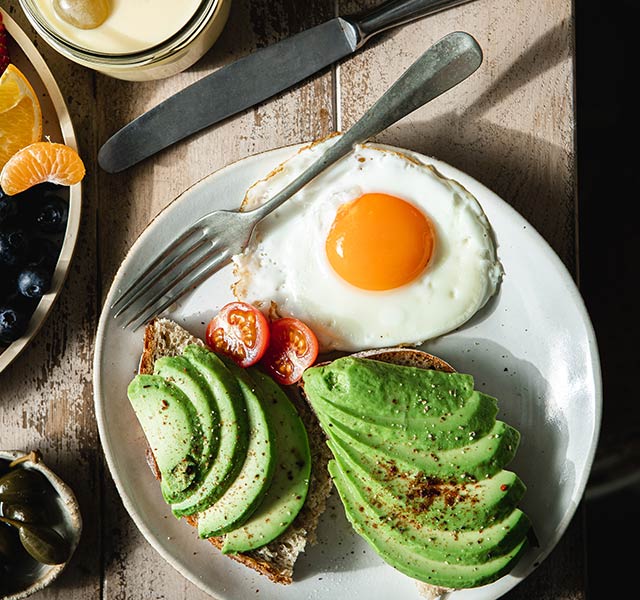
A breakfast that includes protein, healthy fat, and real food signals safety to the body and helps prevent mid-morning crashes. When the body receives balanced nourishment early in the day, blood sugar stabilizes, and cortisol begins to follow a healthier rhythm. Instead of reaching for coffee and sugar alone, think of breakfast as the first opportunity to set your metabolic tone for the day.

2. Eat regularly, not reactively
Waiting until you are extremely hungry often leads to overeating and rapid blood sugar spikes. Long gaps without nourishment can push the body into stress mode, making cravings stronger and energy less reliable. Eating balanced meals at regular intervals helps the body maintain steadiness so your energy, focus, and mood remain more consistent throughout the day.

3. Replace refined sugars and processed foods with real alternatives

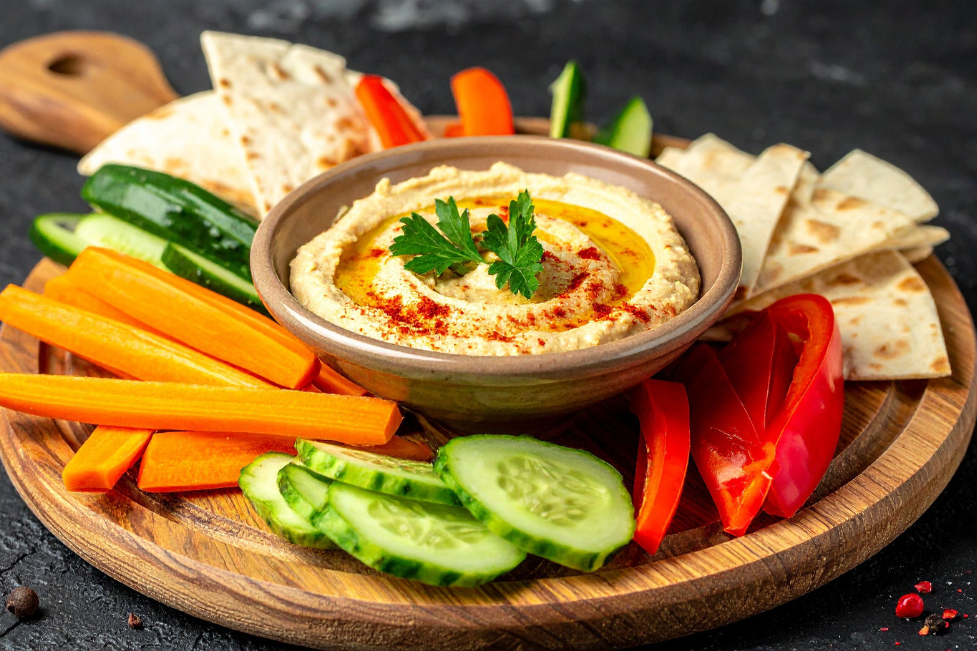
Instead of pastries, candy, or sugary drinks, try options that nourish your body and stabilize energy. Examples include fresh fruit, carrots with hummus, a handful of nuts, or apple slices with almond butter. These simple choices provide nutrients and fiber that help slow sugar absorption.

4. Include protein and fiber with meals
Protein and fiber slow digestion and help maintain steady blood sugar levels. Examples include eggs, fish, chicken, beans, tofu, nuts, seeds, oats, or leafy greens. A balanced plate with protein, vegetables, and healthy fats can keep energy stable for hours.

5. Respect your daily rhythm
Late-night eating can disrupt both sleep and blood sugar regulation. This includes anything you are putting into your body — not just snacks. Alcohol, sweets, heavy meals, or even frequent evening grazing can keep the body metabolically active when it should be winding down.

When rhythm returns to the body, the benefits extend far beyond food.

Energy becomes more reliable.
Thinking becomes clearer.
Sleep deepens.
Confidence returns.

This is the foundation of real vitality.

Inside The Radiance Reset Program, we work on restoring these rhythms in a structured way – stabilizing blood sugar, supporting cortisol timing, and nourishing the nervous system so the body can function the way it was designed to.

Most women lose between 10–15 pounds in six weeks as inflammation lowers, blood sugar stabilizes, and cortisol rhythms reset. The weight loss is not the strategy – it’s the outcome of metabolic recalibration.

But the deeper shift many women experience is something they haven’t felt in years: steady energy, a calmer mind, and confidence in their body again.

Because when rhythm returns, radiance follows.

Digestive Confidence: Eating in a Way That Helps Your Body Feel Calm, Comfortable, and Supported

For many people today, digestion has become something they worry about, monitor closely, or try to “fix.” Bloating, irregular bowel movements, gas, or feeling overly full can quickly create anxiety around food and eating.

Yet digestion is not meant to feel complicated or stressful. In fact, most digestive systems respond best to simple, nourishing, traditional foods and relaxed eating habits.

Instead of focusing on restriction or chasing the latest gut health trend, a more supportive approach is what I call digestive confidence – learning to eat in a way that helps your body feel steady, comfortable, and predictable.

What Is Digestive Confidence?

Digestive confidence is the ability to eat without fear or constant second-guessing. It means understanding which foods generally support digestion, recognizing how your body responds, and trusting that your digestive system is capable and resilient.

Rather than searching for perfect diets or quick fixes, digestive confidence focuses on creating daily eating patterns that naturally support the gut.

Foods That Commonly Support Comfortable Digestion

Fiber-Rich Foods That Nourish Without Overwhelming

Fiber plays an important role in bowel regularity and gut health. However, many people experience discomfort when they dramatically increase fiber or rely heavily on raw foods.

Gentle, well-tolerated fiber sources include:

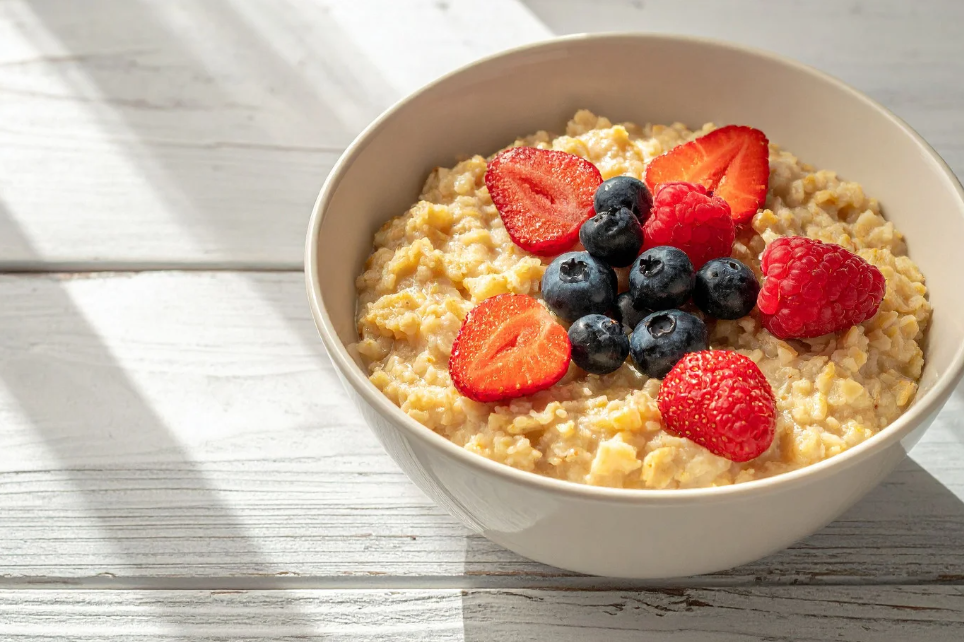
  • Cooked oatmeal
  • Chia seeds (soaked)
  • Ground flaxseed
  • Kiwi
  • Sweet potatoes
  • Cooked vegetables such as zucchini, carrots, and spinach

Cooked vegetables and grains are often easier to digest than raw versions, especially during colder months or when digestion feels sensitive.

Gradually introducing fiber allows the digestive system to adjust comfortably.

Fermented Foods That Support the Gut Microbiome

Fermented foods introduce beneficial bacteria that help support balance within the digestive tract. Consistency is more helpful than large amounts.

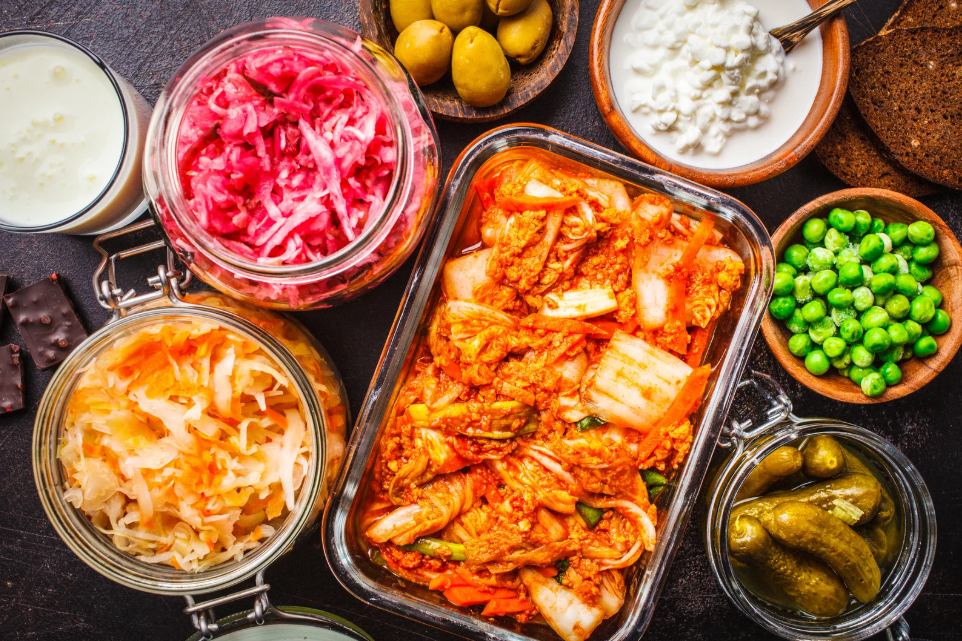
Helpful fermented foods include:

  • Yogurt with live cultures
  • Kefir
  • Sauerkraut in small servings
  • Kimchi
  • Miso

Many people notice improvement in digestion when fermented foods are introduced slowly and eaten regularly.

Mediterranean-Style Foods That Promote Digestive Balance

The Mediterranean style of eating continues to be strongly associated with digestive comfort and overall health. It emphasizes whole, nourishing foods that are naturally anti-inflammatory and easy for most people to tolerate.

Key digestive-supporting foods include:

  • Extra virgin olive oil
  • Fish such as salmon or sardines
  • Cooked lentils and legumes
  • Rice and quinoa
  • Lightly cooked leafy greens

This approach supports digestion without relying on extreme food rules or elimination diets.

Foods That Help Reduce Bloating and Gas

Many traditional foods gently support digestive movement and reduce gas buildup.

These include:

  • Ginger
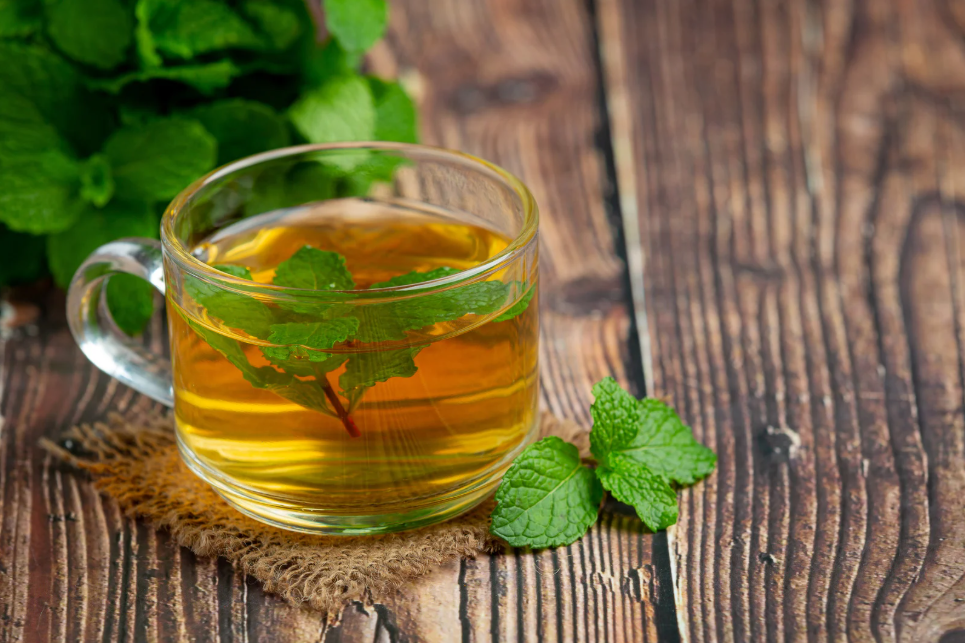
  • Peppermint
  • Fennel
  • Bananas
  • Rice
  • Eggs
  • Bone broth
  • Light soups and stews

These foods are particularly helpful when digestion feels sluggish or unsettled.

Foods That Encourage Regular Bowel Movements

Certain foods are especially effective in supporting comfortable and predictable bowel patterns.

Commonly helpful options include:

  • Kiwi
  • Prunes or prune juice
  • Oats
  • Chia seeds
  • Warm fluids such as herbal teas or warm water

Hydration plays a critical role in bowel regularity and should always accompany fiber intake.

How Food Is Eaten Matters as Much as What Is Eaten

Digestive confidence also involves eating habits that support the body’s natural digestive process.

Helpful practices include:

  • Eating slowly and chewing thoroughly
  • Sitting down and minimizing distractions while eating
  • Avoiding overeating or rushing meals
  • Maintaining regular meal timing
  • Taking gentle walks after meals

These simple habits activate the body’s natural “rest and digest” response, which allows the digestive system to function efficiently.

Moving Away From Food Fear

Many people begin to feel anxious about eating when digestive symptoms occur. It is important to remember that occasional bloating or discomfort is common and does not mean something is wrong with your body.

Digestive systems are responsive and adaptable. Most people benefit from focusing on nourishment, consistency, and body awareness rather than strict food rules.

Building Your Own Digestive Confidence

Digestive confidence grows when you:

  • Choose mostly whole, gently prepared foods
  • Introduce new foods gradually
  • Notice which foods help you feel comfortable and energized
  • Stay hydrated
  • Create relaxed, consistent eating patterns

Over time, this approach allows the digestive system to function with less strain and more predictability.

A Gentle Reminder

Your digestive system is designed to work for you, not against you. When supported with balanced foods, mindful eating habits, and patience, most digestive systems regain stability and comfort.

Digestive confidence is not about perfection. It is about developing trust in your body and choosing foods and habits that help you feel well.

If you experience ongoing or severe digestive symptoms, it is always wise to seek medical evaluation. For everyday digestive discomfort, however, small, consistent dietary and lifestyle choices often make a meaningful difference.

Protein: How Much Is Really Enough? (And Why It Matters More Than You Think)

There’s been a lot of noise about protein lately.

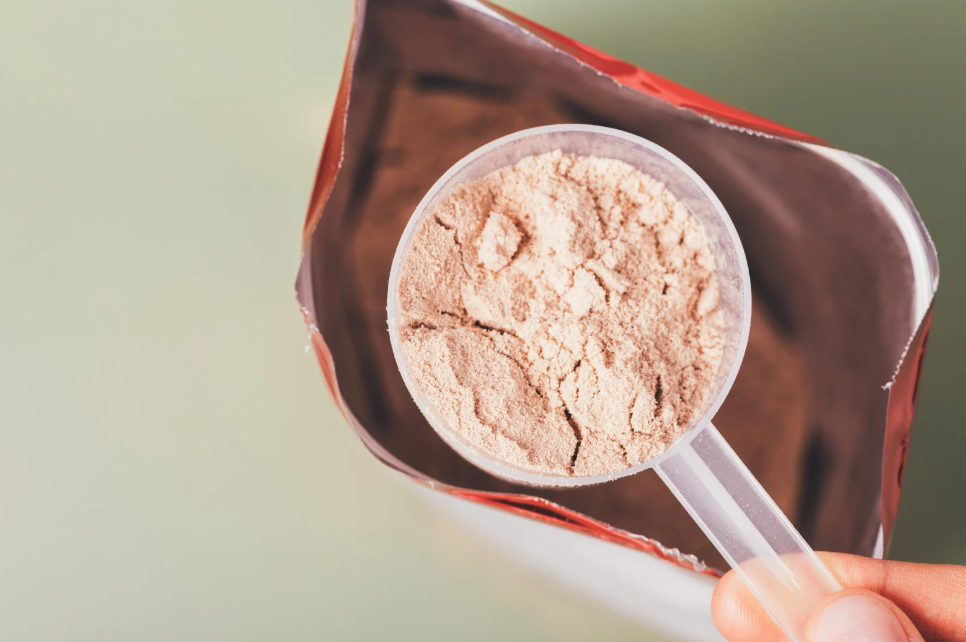
Powders. Bars. Shakes. Claims that you need massive amounts to build muscle or lose weight. And while some of these may have their place—especially for those with restricted diets—there’s a growing disconnect between what’s hyped and what your body actually needs.

So let’s clear the clutter and bring it back to your real-life body.

First: Why Protein Matters

Protein isn’t just about building muscle (though it helps with that too). It plays a critical role in:

  • Balancing blood sugar

  • Repairing tissues

  • Supporting your immune system

  • Preserving muscle mass as you age

It’s one of the three key macronutrients (along with carbohydrates and fat), and getting the right amount—not too little, not too much—is essential for sustained health and energy.

So… How Much Is Enough?

In my Skinny Jeans Weight Loss Program, I typically recommend:

  • Women: 6–8 ounces of protein per day

  • Men: 8–10 ounces per day

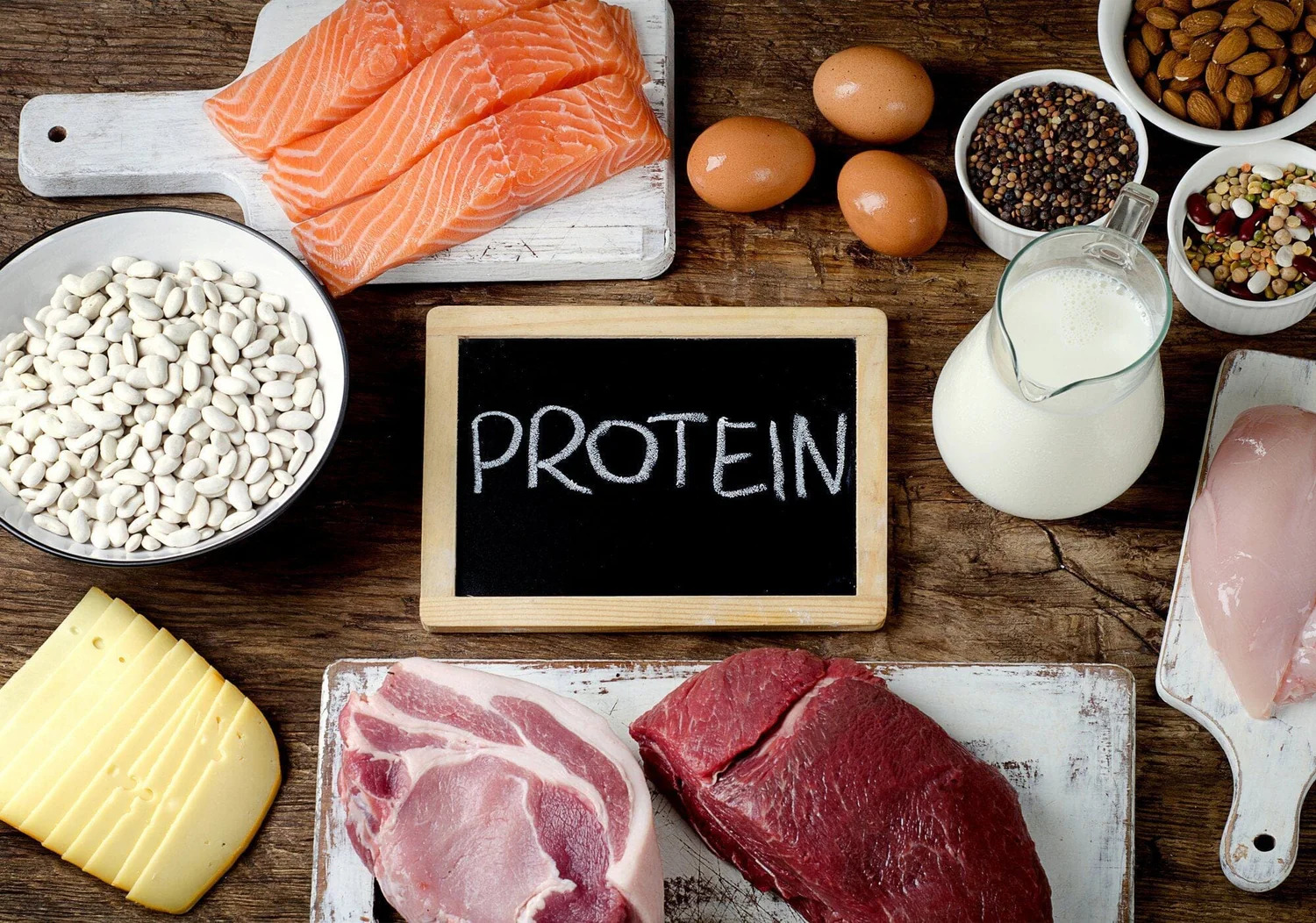
And no, that’s not all at once or from a blender bottle. It’s from real food—eggs, fish, chicken, dairy, legumes, nuts, and more—distributed throughout the day: breakfast, lunch, and dinner.

The key is to spread it out. Your body can only absorb and utilize so much at one time. You don’t want to overload your system any more than you want to starve it.

Supplements: When to Use Them

While I’m not anti-powder, I use supplements strategically, especially for clients who are:

  • Vegan or vegetarian

  • In perimenopause or post menopause

  • Showing low or borderline blood protein levels
    In these cases, I may recommend a special supplement like Perfect Amino* or digestive enzyme support to aid absorption. Because let’s not forget—your ability to digest protein matters just as much as the amount you consume.


A Word on Excess

I’ll never forget driving into Las Vegas years ago and seeing a billboard advertising a 48-ounce steak. I was honestly stunned—and saddened.

Somehow, we’ve lost the sacred connection between nourishment and nature. Respecting food means honoring what your body needs and respecting the animals and plants that provide it. More isn’t better. It’s just more.

Functional Eating > Food Trends

When I work with clients, we focus on functional eating—nutrition that fits your life, your body, your age, your goals.

That means:

  • Considering stress, sleep, digestion, and hormones
  • Making food choices that feel doable and satisfying
  • Tuning in, not just following food fads or influencer advice

You deserve better than hype. You deserve a customized approach—and that’s what I offer.

Bottom Line:

Protein doesn’t have to be complicated.
But the best way to know what’s right for you? Work with someone who can help you tune out the noise and tune into your body.

If this topic brought up questions—or if there’s something else, you’d like me to dive into—I’d love to hear from you.

Just hit reply and let me know. I’m always here to offer insight, guidance, and a compassionate next step.

With warmth and wellness,

To Ozempic or Not to Ozempic?

Ozempic has officially entered the wellness zeitgeist.

Once prescribed primarily for Type 2 diabetes, it’s now making headlines in Hollywood circles, wellness forums, and everyday conversations about weight loss–especially for women navigating midlife metabolism shifts.

But behind the headlines and hashtags lies a deeper question: Is Ozempic the miracle we’ve been waiting for–or just another quick fix with long-term consequences?

Let’s unpack this with honesty and nuance.

Ozempic Alone Is Not the Answer

Here’s what’s often missing from the mainstream conversation: Ozempic is not a standalone solution.

Yes, it can suppress appetite and help stabilize blood sugar–but without a foundation of lifestyle changes, the results are often temporary. Once the medication stops, weight regain is common. Even more concerning, staying on it long-term may lead to other health issues, including muscle loss, nutrient deficiencies, and even a disconnection from your body’s hunger and fullness cues.

You deserve more than a fleeting fix. You deserve lasting transformation rooted in respect for your body, not a battle against it.

Why the Healthcare System Falls Short

The truth? Most doctors don’t have the time–or training–to walk you through the nuanced behavioral, nutritional, and emotional changes needed for sustainable weight loss. That’s not a criticism; it’s a reality of our current system.

But professionals like myself are trained in the deeper layers of change: metabolic healing, nervous system support, and hormone-informed nourishment. These elements aren’t just “nice to have.” They are essential.

Without them, Ozempic is like building a house on sand.

So… Should You Take It?

Here’s my honest take:

• If you’re considering Ozempic, do it as part of a bigger plan. A small dose–prescribed by a knowledgeable physician and paired with personalized coaching–can be helpful for women who’ve tried everything and feel stuck.

• But using Ozempic without changing your nutrition, stress patterns, sleep habits, and emotional relationship with food? That’s like turning down the volume on a fire alarm without putting out the fire.

You must commit to yourself first, not the medication.

Side Effects: What You Should Know

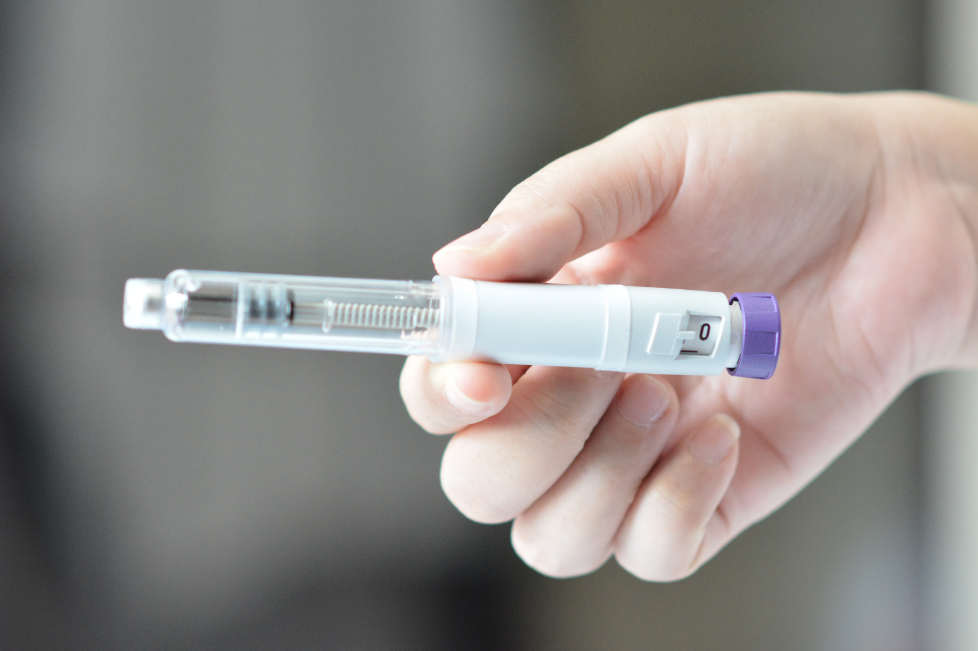
Ozempic is technically a peptide, not a traditional drug–but that doesn’t mean it’s risk-free. Common side effects include:

  • Nausea, vomiting, diarrhea, abdominal pain
  • Acid reflux, bloating, and burping
  • Muscle loss and dehydration due to decreased thirst and protein breakdown
  • Rare but serious complications like pancreatitis and low blood sugar

To reduce these risks:

  • Work with your provider on proper dosing
  • Eat protein-rich, smaller meals
  • Stay hydrated (true cellular hydration matters more than you think)
  • Strength-train regularly to preserve muscle mass

Note: Muscle strength–not just size–is critical for metabolic health, cognitive function, and longevity.

Let’s Talk About Respect

Your body is not broken. It’s speaking to you.

If you’re considering Ozempic because nothing else has worked, I see you. But ask yourself: Am I ready to pair this tool with the deeper healing my body truly needs?

Because the truth is, you don’t need more restriction. You need restoration.

And no, you shouldn’t have to figure it out alone.

The Real Path Forward

This is where coaching becomes your lifeline–not to tell you what to eat, but to help you reconnect with the wisdom your body already holds. Together, we explore:

  • Hormone balance
  • Nervous system regulation
  • Nutrient-dense, realistic meals
  • Sleep rhythms and stress resilience
  • Releasing shame and fear around food

It’s not always fast. But it’s real.

Final Word: Do It for You

Not for your kids. Not for your doctor. Not for some image of your “old self.”

Do it because you’re tired of fighting your body and ready to start partnering with it. Do it because you want to feel energy, clarity, and ease again. Do it because healing isn’t just about looking different–it’s about living differently.

You deserve a future where wellness feels like freedom, not control.

And if Ozempic is part of that path, make sure it’s just one tool in a much more compassionate, comprehensive toolbox.

Unlock Ozempic: Achieve Weight Loss Mastery!

In recent years, Ozempic has gained significant attention as a potential tool for weight loss. While some celebrate its effectiveness, it’s important to understand that Ozempic works best when combined with healthy lifestyle changes — and is not meant for lifelong use.

If you’re considering Ozempic as part of your weight loss journey, it’s crucial to understand both its benefits and potential risks — as well as how to build lasting healthy habits.

Why Ozempic Is Not a Long-Term Fix

While Ozempic can be a helpful jumpstart for those struggling with weight resistance, it’s not designed to be a permanent solution. There are three major concerns with prolonged Ozempic use:

1. Rebound Weight Gain: Once patients stop taking Ozempic without sustainable lifestyle changes in place, the weight can return — often quickly.

2. Dehydration: Ozempic suppresses appetite, which can lead to inadequate hydration and nutrient intake.

3. Muscle Wasting: Without proper nutrition and movement, your body may burn muscle instead of fat, reducing overall strength and

Maximizing Ozempic’s Effectiveness with Healthy Habits

✅ Meal Preparation: Preparing nourishing, whole-food meals reduces the temptation of fast, processed foods. Keeping a cooler in your car with snacks like cucumbers, almonds, or hard-boiled eggs can prevent impulsive, less healthy choices.

✅ Hydration: Drinking plenty of water throughout the day — not just when you’re thirsty — is key. Proper hydration helps curb cravings, improve digestion, and reduce fatigue.

✅ Gentle Exercise: It’s best to wait until you’ve lost 20-30 pounds before introducing more intense exercise. Early in your weight loss journey, your body is naturally detoxifying — and rest during this phase is vital. Overexertion too soon can trigger muscle loss and compromise your immune system.

✅ Detoxification Support: In the early stages of weight loss, toxins stored in fat cells are released into your system. Supporting your body with nutrient-rich foods, proper hydration, and practices like sauna therapy can enhance your detox process.


Maximizing Ozempic’s Effectiveness with Healthy Habits

Ozempic reduces cravings by altering hunger signals and making food less appealing. However, emotional eating patterns still need to be addressed. Creating mindful eating habits, stress management strategies, and learning to listen to your body’s signals are essential for long-term success

Ozempic as a Motivational Tool

For many people, Ozempic can provide an important confidence boost. The early weight loss results can be a powerful motivator, helping individuals refocus on their health and adopt sustainable habits.

If you choose to use Ozempic, consider it a short-term tool — ideally for no longer than three months. During this time, focus on establishing healthier habits that you can maintain independently once you’ve discontinued the medication.

When Should You Consider Ozempic?

Ozempic is primarily prescribed for individuals with pre-diabetes or type 2 diabetes. If you’re not in this category, working with a clinical nutritionist or health coach may be a better first step.

If you have over 100 pounds to lose, remember that this is a long-term process. Sustainable weight loss often takes a year or more. Progress may come in waves — some weeks you may experience plateaus or even slight gains, and that’s normal.

Beyond Weight Loss: The Health Benefits of Sustainable Change

Healthy, sustainable weight loss offers far more than just a number on the scale. Improved markers such as:

✅ Lower A1c levels

✅ Improved cholesterol and triglycerides

✅ Better energy, mood, and immune function

Your Unique Journey to Health

Every weight loss journey is different, and there’s no one-size-fits-all solution. Whether you’re considering Ozempic or focusing entirely on lifestyle changes, working with a physician, nutritionist, and health coach can help you find the right path for your body.

Remember, even if you can’t commit 100% to a structured program, doing 50% will still yield better results than doing nothing. Progress is about consistency, not perfection.

Final Thought: Focus on Nourishment

Your journey to better health doesn’t have to feel like punishment. Shift your mindset to focus on being nourished — with good food, restful sleep, meaningful movement, and supportive relationships.

By taking a gentle, patient approach and building sustainable habits, you’ll not only lose weight — you’ll reclaim your energy, confidence, and well-being.

Home Cooking Just Got Easier

Let’s face it we’re at home more these days which means either you’re eating more processed/convenience foods, ordering more take-out or, and I hope this is the case, you’re cooking up a storm in your very own kitchen. 

Cooking your own home cooked meals is quite easy, all you have to do is: Plan, Shop, Cook and Enjoy!

Let’s explore these tips on how to make your home cooking easier a little more:

  1. Plan. I can’t overemphasize how important planning is. If you look ahead you will not fall prey to eating whatever happens to be available – healthy or not – when you are hungry. To help you get into the planning mood you can start by looking at recipes in books or online. You can also get recipe ideas from friends, family, cooking shows or food blogs. Doing this will help you start creating your shopping list for the week.    

  2. Shop. Planning helps you create a solid shopping list which helps you manage your budget better. Buy foods on special that way you’ll be eating seasonally as often these food items are more readily available at that particular time of the year. It may be different where you live but here in my neck of the woods – asparagus seems to be plentiful this time of year causing prices to be lower than in the height of the summer.

    Also, having a shopping list helps you from under-buying causing you to make too many trips back and forth to the grocery store – wasting time and energy. And then there’s over-purchasing where you often end up throwing food away – that’s such a waste on so many levels. When you were growing up I’m sure you heard your mother say: “finish your plate, there are people starving.” Unfortunately, that is a reality in many parts of the world, but eating because others are starving really doesn’t make sense. But thinking of it on a deeper level – by not wasting food you are respecting and giving thanks for what you are lucky to have.

  3. Cook. Make your cooking environment pleasant and not chaotic. Of course, having all necessary ingredients and supplies at hand is key but also having a peaceful atmosphere is essential. Play music when preparing your meals. Having tools accessible and easy to find is half the battle. Make sure you are using the best ingredients available from spices, herbs, oils to your proteins, vegetables and grains.

    Just as over-purchasing is not the best strategy, so too is cooking too much food. Leftovers are good to a certain extent but if food sits around for more than 2 days it starts to lose much of its nutritional value and quality. Decide from the get go to eat as fresh as possible.   

  4. Enjoy. Enjoy your meals with the warmth and caring of a lovely conversation.  Whether you’re having dinner with your family at home or finding yourself going solo you can always make it even more special. Over the last week I found myself picking up the phone when my delicious dinner stood before me. It was a spontaneous impulse and an enjoyable experience – it felt as though I was having friends over for dinner. Of course, it may not be everyone’s cup of tea to engage in “distance dining”, but it sure can be fun. Instead of the phone you can always use Zoom, Facetime, Whatsapp. In these times, we need to reach out and feel connected in whatever we can.