

Food Is Information
What you eat doesn’t just fill your stomach. It gives your body information about how to function, repair, regulate, and respond to the demands of your life.
We tend to think about food in terms of calories. How many calories are in this? Is this going to make me gain weight? Should I eat this or shouldn’t I? But I’ve always believed there’s a more useful question to ask:
What is this food going to do for me?
Because food is information. Every time you eat, you’re giving your body ingredients. Those ingredients interact with your hormones, blood sugar, digestive system, microbiome, immune system, brain, and energy production. Food can help you feel nourished and steady. Or it can give you a quick boost followed by a crash. It can support clarity and sustained energy. Or it can leave you feeling sluggish and searching for something else an hour later.
This doesn’t mean food has to be perfect. It means we can become more intentional about the information we’re giving our bodies.
I Was Reminded of This Recently
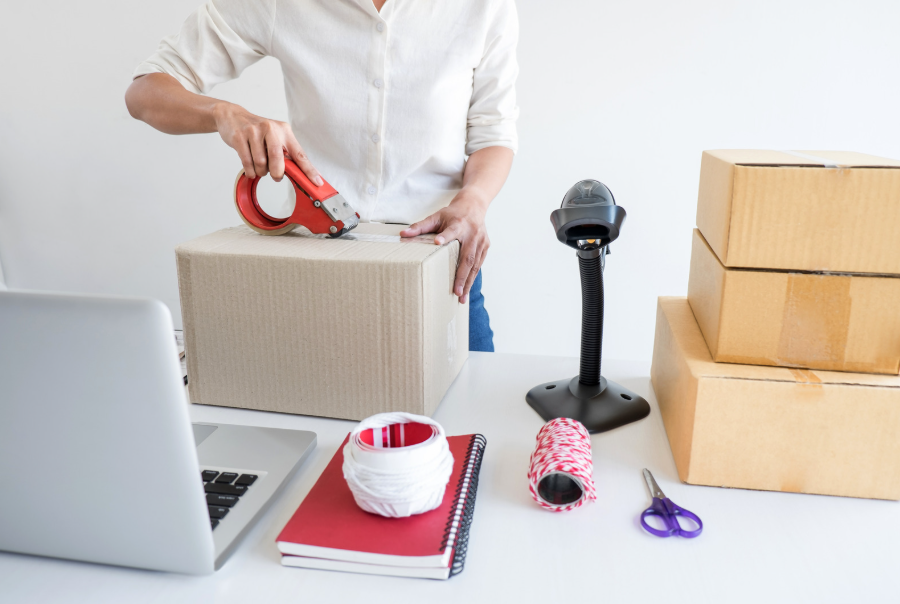
I’ve had a very personal lesson in this over the past few weeks. I was preparing my entire home for new carpeting. What sounds simple – “get the house ready for carpet”- turned into a much bigger process. I was packing boxes, unpacking boxes, sorting, cleaning, organizing, deciding what to keep and what to let go of.
Then doing it again.
And again.
I was carrying things up and down the stairs, bending, lifting, walking, standing, and constantly changing from one task to another. It was physical work. But it was also mental and emotional work. My home held seven years of memories from caring for my husband through an incredibly difficult period of our lives. Going through those belongings meant revisiting pieces of that chapter and deciding what I was ready to keep – and what I was ready to shed. It became a literal and emotional clearing process.
And meanwhile, there was a deadline. The carpet installers were coming. I had to get it all done. My schedule became chaotic.
Pack.
Rest.
Pack some more.
Eat.
Sort.
Make decisions.
Move things.
Rest.
Start again.
And to boot it was also extremely hot – around 100 degrees for much of that time. This was exactly the kind of situation in which it would have been very easy to stop paying attention to food. When you’re exhausted, stressed, hot, and under pressure, quick energy and comfort food can suddenly look very appealing.
And sometimes ice cream sounds a whole lot more appealing than cooking a meal.
But this is where the concept of food as information became very real for me.
I Needed Food That Gave Back
I knew I needed to keep myself nourished because I still had a lot to accomplish. I wasn’t interested in eating a “perfect” diet. My food that would give me something back. Instead of reaching for sweets every time I wanted quick energy, I often chose nuts. Instead of cooking a complicated meal in the heat, I looked for foods that were simple, fresh, and easy to assemble.
- Fresh figs
- Strawberries
- Yogurt
- A little cheese
- A small piece of sourdough bread
- A refreshing salad
And when I wanted something more substantial, I might have chicken, asparagus, and sweet potato. I wasn’t following a rigid schedule because, frankly, my schedule wasn’t particularly predictable. I was listening.
What do I need right now?
- Am I actually hungry?
- Do I need protein?
- Do I need something refreshing?
- Do I need to sit down and eat rather than continue working?
- Do I need a break?
And if I really wanted something sweet, I didn’t make it forbidden. Often, I would eat something nourishing first. That changed the experience completely. The food wasn’t simply about satisfying hunger. It was helping me continue.
Food Affects More Than Your Weight
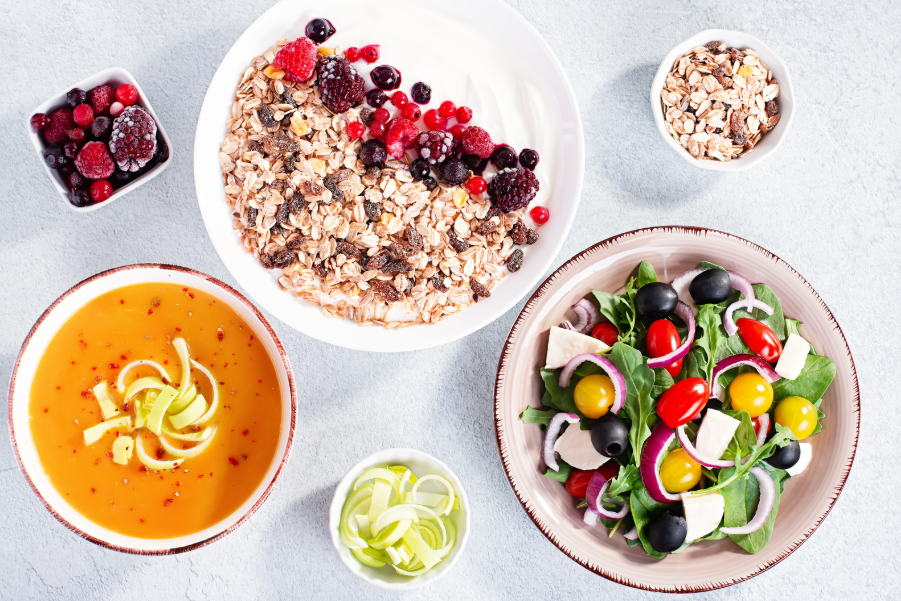
This is what I want you to remember. Food isn’t just about the number on the scale.
The right foods can support:
Your energy – your brain needs fuel.
Your hormones – your body uses nutrients from the food you eat to make and regulate hormones.
Your blood sugar – the composition and timing of your meals can influence how steady your energy feels throughout the day.
Your gut – the foods you eat help create a healthy or unhealthy environment for your gut microorganisms.
Your mood – your brain and gut are closely connected, and nutrition plays an important role in both.
And perhaps most importantly for busy women:
Your ability to think clearly. That became especially apparent to me during this renovation. I was making decisions all day long.
- What stays?
- What goes?
- Where does this belong?
- What needs to be done next?
- What can wait?
- What do I need to accomplish before the installers arrive?
Decision fatigue is real.
And when you’re physically depleted and underfed, making good decisions becomes even harder.
Nourishment Gave Me Clarity
I noticed that when I ate well, my brain had more fuel so I could think more clearly. I could organize more effectively. I could make the next decision without feeling like I had to solve the entire project at once. And that last part was important. I didn’t have to figure out everything. I only had to figure out the next step.
- Pack this box
- Rest
- Move those things
- Eat
- Take a break
- Do the next thing
That made an enormous project feel much less overwhelming.
And there was another surprise.
With all the lifting, carrying, bending, walking, and going up and down stairs, I didn’t feel the same need to go to the gym during those final weeks. My body was moving a lot That doesn’t mean household chores replace intentional strength training. They don’t. But it reminded me that movement doesn’t only happen in a gym.
Your body benefits from being used throughout the day.
Nourishment Isn’t About Perfection
I think this is especially important for women whose lives don’t always fit neatly into a schedule.
There will be:
- Days when you eat later than usual.
- Days when you don’t feel like cooking.
- Days when you’re traveling.
- Days when you’re caring for someone else.
- Days when your calendar is completely upside down.
The answer isn’t to throw your hands up and say, “Well, I blew it.”
It’s to ask:
What is the most nourishing choice I can make right now?
- Maybe it’s a simple salad with protein.
- Maybe it’s yogurt and fruit and a handful of nuts.
- Maybe it’s a real meal instead of grazing on whatever happens to be available.
- Maybe it’s eating before you’re completely depleted.
- Maybe it’s drinking some water and taking five minutes to sit down.
These choices don’t have to be complicated. They can be simple and intentional.
What Information Are You Giving Your Body?
Your body is listening. Every meal is an opportunity to provide information. Not a test, a moral judgment or a pass or fail.
Just information.
And when life gets stressful, that information may matter even more. Because when you’re asking your body to handle physical work, mental pressure, emotional stress, decision-making, and an unpredictable schedule, you need to give it the raw materials to do the job.
Food is not simply something to control.
Food is something to use. Use it to nourish yourself and to support your energy. The best food will help your brain think clearly and your body recover. It’ll give you something back when life is asking so much of you. You don’t need to eat perfectly. You need to eat in a way that supports the life you’re actually living.
And sometimes, the most important question isn’t:
“Will this make me gain weight?”
It’s:
“Will this help me feel and function better?”
That is a very different way of thinking about food.
And it can change everything.
This Week’s ReflectionBefore your next meal or snack, pause for a moment and ask yourself: “What information am I giving my body right now?
Will this food leave me energized or depleted? Will it help me feel satisfied and steady – or will I be looking for something else an hour from now? And perhaps most importantly: What does my body need today? You don’t have to change your entire diet. Make one nourishing choice this week – and notice how your body responds. Sometimes, the first step toward changing the way you eat isn’t eating less. It’s learning to nourish yourself better. |