Archive for Self Improvement

Burnout Doesn’t Always Look Like Exhaustion

Sometimes burnout looks like brain fog, irritability, sugar cravings – and simply not feeling like yourself.

When you hear the word burnout, you may picture someone who is completely exhausted, overwhelmed, and ready to walk away from everything.

But burnout doesn’t always look like that. Sometimes you’re still functioning.  You’re getting up. You’re going to work. You’re meeting deadlines. You’re taking care of your family. You’re answering emails and checking things off your list.

From the outside, you look fine. But inside, something has changed.

  • You’re having trouble concentrating.

  • You’re forgetting things.

  • By midafternoon, your brain feels done.

  • You’re reaching for sugar or another cup of coffee.

  • You’re more irritable than usual.

  • You’re waking up in the middle of the night.

And you may simply think:

“I’m just busy.”

Maybe.

But sometimes “busy” is what burnout looks like before we recognize it.

Burnout Can Be Quiet

Some of the less obvious signs include:

  • Brain fog
  • Forgetfulness
  • Irritability
  • Afternoon energy crashes
  • Sugar cravings
  • Difficulty concentrating
  • Waking at 3 a.m.
  • Feeling mentally spent
  • Relying on caffeine to get through the day
  • Losing patience more easily
  • Feeling productive for a few hours and then hitting a wall
  • Feeling like even simple decisions take too much effort

These symptoms can have many causes, of course. But when several begin showing up together, it’s worth becoming curious rather than simply pushing through. I’ve seen this repeatedly with clients. And often, the answer isn’t another complicated health program.

It’s learning to listen to the signals your body is already giving you.

Nina: When Your Most Productive Hours Become Your Most Exhausting

Nina is an author who loves writing in the morning. That’s when her creative energy is strongest, and she was determined to make the most of those productive hours. But by about 2 p.m., she was mentally spent. Her solution had been to take a brief pause and then push herself back into another two or three hours of writing. Sound familiar?

How many of us have a productive window and then try to force ourselves to keep performing long after our brain has had enough?

I suggested that Nina experiment with a different rhythm. Instead of working through lunch and waiting until she was depleted, she began taking a real lunch break around noon. Then she would return to her writing for another period and later take a walk or incorporate a short movement “snack.” We also began paying closer attention to when her body was telling her she was becoming less productive. Rather than viewing that afternoon grogginess as something she needed to overcome, we treated it as information.

We also looked at what she was reaching for during the day. Potato chips became pistachios. A muffin might become a banana, cut-up apple, or yogurt. Nothing extreme. Just small changes that better supported her energy. Nina didn’t need to work harder. She needed to work differently.

Tish: The Assignment She Forgot

Tish came to me worried about her new job. She had forgotten a couple of assignments she needed to complete, and she was becoming increasingly nervous that she might lose her job. Her first thought was that something was wrong with her ability to stay organized. But when we looked at her daily habits, we found something much more basic. She was getting about five hours of sleep a night—if that.


She was asking her brain to learn, remember, organize, prioritize, make decisions, and perform at a high level while giving it very little opportunity to recover. We didn’t start with another productivity system. We started with sleep. Her wind-down time was around midnight.

We gradually moved it to 11 p.m., and then toward 10 p.m. We also moved dinner from approximately 7:30 p.m. to 6 p.m. That small shift helped create more space in her evening and made it easier to transition toward sleep earlier. It wasn’t an overnight transformation. It took about three weeks for her body to settle into the new rhythm.


Eventually, she noticed something important:

Her head felt clearer.

She was more organized and better able to keep track of her schedule. The problem wasn’t that she was incapable of doing her job.

Her brain was simply exhausted.

Annette: The Sweet Tooth That Wasn’t Just About Willpower

Annette was frustrated with herself. She couldn’t seem to say no to sugar. Every afternoon, she found herself reaching for something sweet.

It would have been easy to simply tell her to eliminate the candy. Instead, we got curious. I asked her to begin tracking not only what she was eating, but also how she was feeling. A pattern emerged. Her sweet cravings were often happening at the same time she was becoming increasingly irritable. That gave us something to work with.

Rather than focusing only on eliminating sugar, we looked at what might better support her during that vulnerable afternoon period. A candy bar became beef jerky or almonds. Over time, she noticed something interesting. Her irritability decreased. Her focus improved. And the cravings became easier to manage. Again, it wasn’t about more willpower. It was about understanding the connection between food, energy, mood, and the demands of her day.

What These Women Had in Common

Nina, Tish, and Annette were dealing with completely different problems.

One was struggling with productivity.

One was struggling with memory and organization.

One was struggling with sugar cravings and irritability.

But underneath each situation was a body giving information.

And that’s what I want you to consider.

What if some of the things you’re frustrated with aren’t character flaws?

What if your afternoon crash isn’t laziness?

What if your forgetfulness isn’t simply because you’re getting older?

What if your irritability isn’t just a bad mood?

What if your sugar cravings aren’t a lack of discipline?

Sometimes these things are clues.

They may be telling you that something needs attention – your sleep, your nutrition, your stress load, your schedule, your recovery, or the way you’re asking your body to perform.

You Don’t Have to Change Everything

This is where I think we sometimes make health harder than it needs to be.

We think we need a complete overhaul.

A new diet.

A new workout program.

A new morning routine.

A new supplement regimen.

A new version of ourselves.

But sometimes the most meaningful change begins with one small adjustment.

A real lunch break.

Going to bed 30 minutes earlier.

Changing what you eat when the afternoon crash hits.

Taking a 10-minute walk.

Putting your phone down before bed.

Pausing between meetings.

Or saying no to something that doesn’t need to be yours to carry.

The goal isn’t to become more disciplined at ignoring your body’s signals.

The goal is to become better at listening to them.

Burnout doesn’t always look like exhaustion.

Sometimes it looks like a forgotten assignment.

A 3 p.m. sugar craving.

A short temper.

A restless night.

A foggy brain.

Or simply feeling like you’re not quite yourself anymore.

Those signals deserve your attention.

This Week’s Reflection

What’s one tweak you can make this week?

Not a complete overhaul.

Not another set of rules.

Just one small change that could give your body, brain, or nervous system a little more support.

Ask yourself:

Where am I pushing through when my body is asking me to pause?

Then make one small adjustment – and pay attention to what happens.

Sometimes the smallest changes are the ones that remind us how much our bodies have been trying to tell us all along.

The Stress-Weight Connection Nobody Explained

Have you ever wondered why the harder you try to lose weight, the more stubborn it becomes?

For years, we were told the answer was simple: eat less and exercise more.

Today we know better.

Our bodies are influenced by hormones, sleep, stress, nutrition, movement, and even the emotional demands of everyday life. Weight isn’t just about calories – it’s about biology.

If you’ve been “doing everything right” and still struggling, these hidden factors may be part of the story.

Cortisol: Your Stress Hormone

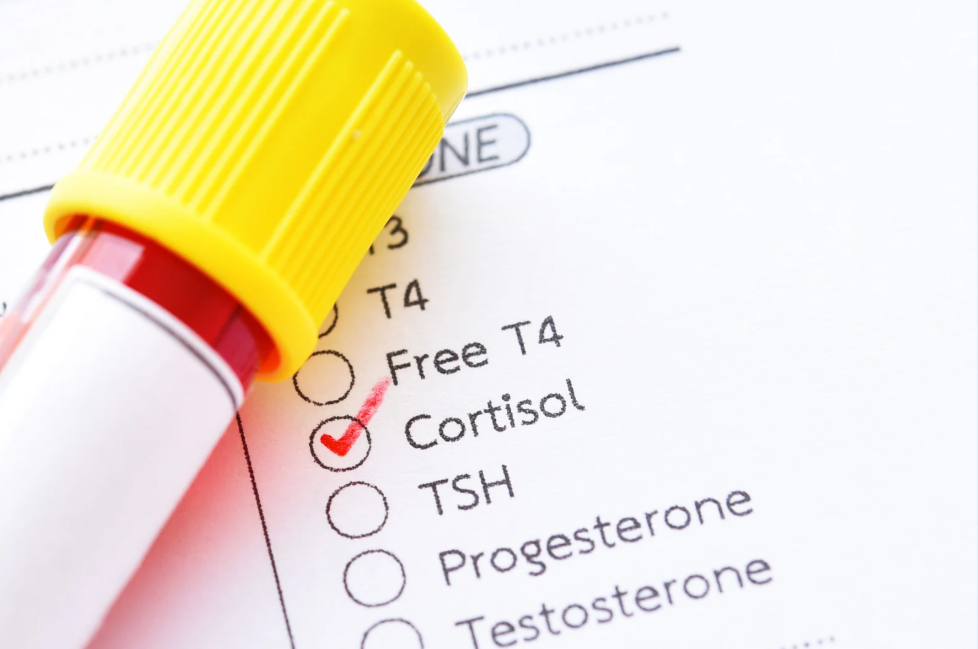
You’ve probably heard of cortisol. It’s often called the stress hormone, but cortisol isn’t the enemy. In fact, it’s essential for life.

Cortisol naturally peaks in the morning to help wake us up and give us energy for the day. The problem occurs when stress keeps cortisol elevated for hours – or even months at a time.

When cortisol stays high, your body receives the message that it’s living through a crisis. It becomes more likely to conserve energy, store fat (especially around the abdomen), increase cravings, and make weight loss much more difficult.

I experienced this firsthand while caring for my husband during his seven years of serious illness. My sleep was interrupted night after night. Living with the uncertainty of whether he would make it through the night kept my nervous system on high alert.

During those years, losing weight wasn’t even on my radar. Survival was.

Despite eating well, I gained nearly 20 pounds. Looking back, my body wasn’t failing me – it was trying to protect me during one of the most stressful seasons of my life.

Blood Sugar and Insulin

Stress doesn’t just affect your mind; it affects your metabolism.

When meals are skipped, eaten irregularly, or consist mostly of refined carbohydrates, blood sugar can swing up and down throughout the day. Those swings trigger insulin, the hormone that helps move glucose into your cells.

Frequent spikes in insulin can encourage fat storage, increase cravings, drain your energy, and leave you reaching for another cup of coffee or something sweet just to get through the afternoon.

Balanced meals with protein, fiber, and healthy fats help create steadier energy and more stable blood sugar.

Sleep: The Unsung Hero

If I could choose one habit that dramatically affects metabolism, it would be sleep.

Poor sleep changes the hormones that regulate hunger and fullness, increases cortisol, disrupts blood sugar, and makes healthy choices much harder the next day.

I’ve noticed something in my own life: if I spend even ten minutes scrolling on my phone before bed, I don’t sleep as deeply. My nervous system feels more activated, and I wake up less refreshed.

Sometimes the simplest habits make the biggest difference.

The Emotional Load We Carry

Many women aren’t just managing their own lives.

They’re supporting aging parents, helping adult children, caring for spouses, managing teams, volunteering, and saying “yes” far more often than they say “no.”

That invisible emotional load has a physiological cost.

Learning to set healthy boundaries isn’t selfish. It’s one way we protect our physical and emotional well-being.

Decision Fatigue

Every decision requires energy.

Busy women make hundreds of decisions every day – at work, at home, for their families, and often for everyone around them.

No wonder we feel mentally exhausted by evening.

One of the simplest ways to reduce decision fatigue is to build small moments of recovery into your day.

After a meeting, close your eyes for five minutes. Take a short walk. Step outside. Spend a few minutes with your dog. Take several slow, deep breaths before jumping into the next task.

These small pauses give your brain and nervous system an opportunity to reset.

It’s Not About Trying Harder

Highly successful women often assume they simply need more discipline.

In reality, many of them need more recovery.

Your body responds differently when it feels safe, nourished, rested, and supported.

Perhaps you’re already sleeping well but carrying too much emotional responsibility.

Maybe you’re eating nutritious foods but rarely taking a break.

Or perhaps your work demands so much of you that there’s little left for yourself by the end of the day.

Rather than asking, “What should I do more of?”

Try asking,

“What does my body need from me today?”

Sometimes the answer isn’t another workout or another diet.

Sometimes it’s rest.

Sometimes it’s nourishment.

Sometimes it’s permission to pause.

Small, consistent acts of self-care aren’t a luxury – they’re an investment in the health and vitality that allows you to continue showing up for the people and work you care about.


This Week’s Reflection

What’s one thing you can take off your plate this week – or gently say “no” to?

What small act of self-care would create a little more space to breathe? Remember, saying “no” to one unnecessary obligation is often saying “yes” to your health. You don’t have to do everything. You simply need to care for yourself with the same compassion you so freely offer everyone else.

Is Your Body is Betraying You?

Why Your Body Isn’t Betraying You

The hidden biology behind burnout, stubborn weight gain, and feeling like you’ve lost yourself.

You’re eating reasonably well. You’re trying to stay active. You push through long days, juggle responsibilities, and somehow keep everything moving. Yet your clothes fit differently, your energy is gone, your mind feels foggy, and the weight seems to settle in no matter how hard you try.

If this sounds familiar, I want you to know something important:

Many high-achieving women believe that if they could just find the right diet or summon more willpower, everything would fall back into place. But our bodies are far more sophisticated than that.

When you’ve lived through months – or even years – of chronic stress, caregiving, career demands, disrupted sleep, emotional strain, or hormonal changes, your body shifts into protection mode. It begins making adjustments designed to help you survive.

These adaptations can include:

  • Increased fat storage, especially around the abdomen
  • Blood sugar fluctuations and stronger cravings
  • Slower metabolism as the body conserves energy
  • Fatigue that doesn’t improve with a good night’s sleep
  • Brain fog, forgetfulness, and difficulty concentrating
  • Digestive changes and increased inflammation

These aren’t signs that you’ve failed. They’re signs that your body has been working incredibly hard to keep you going.

The challenge is that what protects us during short periods of stress can begin to work against us when stress becomes our normal.

That’s why simply eating less or exercising more often isn’t the answer.

Lasting health isn’t built by fighting your body – it’s built by understanding what your body needs.

When we address the underlying factors that influence health – nutrition, blood sugar regulation, sleep quality, stress resilience, gut health, movement, and recovery – we create the conditions for the body to begin healing. Weight often becomes a positive side effect of restoring balance rather than the primary goal.

One of the most rewarding parts of my work is watching women stop blaming themselves and start understanding what their bodies have been trying to say all along.

The journey back to yourself doesn’t begin with another restrictive plan.

It begins with curiosity.

It begins with compassion.

It begins with listening.

Throughout this newsletter series, we’ll explore the science behind burnout, metabolism, hormones, and resilience – and, more importantly, practical strategies to help you regain your energy, confidence, and vitality.

Because you don’t need to become someone new.

You simply deserve to feel like yourself again.

This Week’s Reflection

What’s one area where your body may be asking for support instead of more discipline?

Healing rarely begins with doing more. Often, it begins with listening.

I’d love to hear your thoughts. Simply reply to this email and share one insight or one small change you’re considering this week. Sometimes the first step toward healing is simply paying attention.

The Seven-Day Midlife Refresh: Simple Steps to Recover Energy, Digestion, and Metabolism After 45

Many women in midlife do not necessarily feel “old.”

They simply feel off.

More tired than they used to. More inflamed. More stressed. More uncomfortable in their bodies. Weight gathers around the middle seemingly overnight, sleep becomes inconsistent, digestion changes, and motivation drops.

For many women, the answer is not another restrictive diet.

It is supporting the body differently.

The good news is that small, consistent shifts can often create powerful momentum.

Midlife Changes Are Real

During perimenopause and menopause, hormonal changes affect:

  • Appetite
  • Blood sugar balance
  • Stress hormones
  • Sleep
  • Muscle mass
  • Fat storage
  • Recovery

At the same time, women are often balancing demanding careers, caregiving responsibilities, emotional stress, and years of chronic over giving.

The body responds accordingly.

That is why many women need a reset — not punishment.


Jane’s Story: Finding Her Way Back to Herself

Jane came back to see me nearly 10 years after we had first worked together.

Although she had maintained some healthy habits over the years, major life stress — including caring for an elderly parent — had slowly taken a toll on her energy, sleep, and overall well-being.

Like many women in midlife, she noticed:

  • Stubborn belly weight
  • Increased stress eating
  • Fatigue
  • Poor sleep
  • Less motivation to exercise

She had considered GLP-1 medications but ultimately realized she wanted to first explore a more natural and sustainable path — something that aligned with her long-term health values.

Together, we focused on:

  • A balanced protein-and-carbohydrate approach
  • Stress support
  • Hydration
  • Better sleep rhythms
  • Simple movement she could realistically maintain

Over time, she lost 15 pounds, improved her sleep, reduced stress eating, and gradually returned to exercising again.

But perhaps the biggest shift was that she began feeling more in control of her health again.

The Seven-Day Midlife Refresh

This is not about perfection.

It is about helping your body feel supported again.

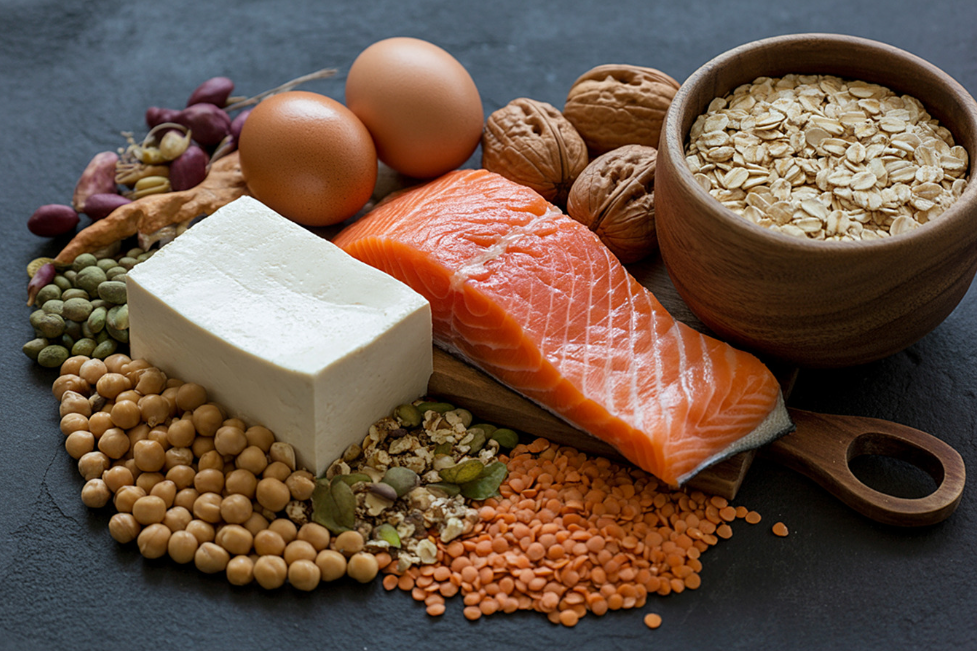
Day 1: Start With Protein

Build meals around protein first:

  • Eggs
  • Greek yogurt
  • Fish
  • Chicken
  • Tofu
  • Cottage cheese
  • Protein smoothies

Protein supports metabolism, muscle, energy, and satiety. You do not need to overdo the protein either. My recommended is: 2-3 ounces for both breakfast and lunch and 4 -6 oz. (palm of your hand)  for dinner.

Day 2: Add More Fiber

Increase vegetables, berries, chia seeds, oats, lentils, or beans.

Fiber helps digestion, blood sugar balance, fullness, and hormone health.

I can’t stress how important it is not only to maintain good gut health but for so much more when it comes to metabolism.

Day 3: Hydrate Aggressively

Many women are chronically dehydrated. This too can be overdone but my experience over my long career indicates that dehydration is more of an issue than overconsumption. And remember some liquids can actually have a dehydrating effect -think coffee and alcohol for example.

Increase:

  • Water
  • Herbal teas
  • Mineral-rich fluids

Hydration alone can improve energy, digestion, and cravings.

Day 4: Walking After Meals – not right after, though

Even a 10-minute walk ½ hour or so after meals can support blood sugar balance, digestion, mood, and metabolism.

Day 5: Strengthen Your Muscles

Resistance training becomes increasingly important after 45. To prevent injury, I recommend getting some expert guidance on how to us the following tools. Listen to your body – is a 2lb. weight too heavy or just right for you at this point. Just know you can gradually work up to more resistance over time.

Focus on:

  • Bodyweight exercises
  • Resistance bands
  • Light weights
  • Pilates or strength-based movement

Muscle supports metabolic strength and bone health.

Day 6: Reduce Ultra-Processed Foods

Instead of obsessing over restriction, simply begin reducing foods that leave you feeling sluggish, bloated, or craving more. I’ve always said avoid foods that come in bags and boxes for the most part rather choose garden fresh as much as possible – that’s where you will get the most bang for your buck.

Focus on whole foods daily.

Day 7: Prioritize Recovery

Sleep, stress management, breathing, meditation, quiet walks, and downtime all matter. Sleep has been so underrated in our culture – less we sleep the more productive we appear to be. That perception is slowly changing I’m happy to say. We are now becoming much more aware of how sleep impacts our overall health – especially weight and stress.

The nervous system is deeply connected to hormones, digestion, metabolism, and weight.

Midlife Health Is About More Than Weight

Women over 45 are not simply trying to be smaller.

They want:

  • More energy
  • Better sleep
  • Less belly fat
  • More muscle tone
  • Better digestion
  • Greater confidence
  • More resilience

The goal is not perfection.

It is feeling stronger, healthier, and more connected to your body again.

Protein, Fiber, and Hormones: The New Weight-Loss Priorities After 45

For many women, weight loss after 45 feels completely different than it did in their 20s and 30s.

The same eating habits no longer work. Belly fat becomes more stubborn. Energy drops. Sleep changes. Muscle tone feels harder to maintain. And despite doing “all the right things,” the scale often refuses to move.

The truth is midlife weight changes are not simply about calories or willpower.

Hormonal shifts, stress, muscle loss, sleep disruption, insulin resistance, and changing metabolism all play a role. That is why the conversation around health after 45 needs to evolve beyond dieting alone.

Today, more women are exploring both natural strategies and medications like Ozempic and Wegovy – but the real goal is not simply losing weight.

It is rebuilding energy, strength, metabolism, and confidence in your body again.

Why Midlife Weight Gain Happens

As estrogen levels fluctuate during perimenopause and menopause, the body often becomes more sensitive to stress, blood sugar swings, poor sleep, and muscle loss.

Many women notice:

  • Increased belly fat
  • More cravings
  • Lower energy
  • Slower recovery
  • Trouble sleeping
  • Greater difficulty maintaining muscle tone

At the same time, life itself becomes heavier. Careers, caregiving, aging parents, emotional stress, and years of putting everyone else first can begin to catch up physically.

One of the biggest hidden changes is the gradual loss of lean muscle mass that naturally occurs with age. Since muscle helps regulate metabolism, losing it can make weight management feel far more difficult.

This is why extreme dieting often backfires after 45. Women may lose weight temporarily but also lose muscle, energy, and long-term metabolic resilience.

The New Priorities: Protein, Fiber, and Strength

Instead of focusing only on restriction, women in midlife benefit far more from supporting the body strategically.

Protein First

Protein becomes increasingly important after 45 because it helps:

  • Preserve lean muscle
  • Support metabolism
  • Stabilize blood sugar
  • Reduce cravings
  • Improve satiety and recovery

Many women simply are not eating enough protein, especially earlier in the day.

A protein-first approach may include:

  • Eggs or turkey bacon at breakfast
  • Protein smoothies
  • Fish, chicken, tofu, or legumes at meals
  • Balanced snacks instead of sugary grazing

Fiber Matters More Than Ever

Fiber supports:

  • Digestion
  • Hormone balance
  • Cholesterol health
  • Appetite regulation
  • Gut health
  • Blood sugar stability

Simple additions like vegetables, berries, beans, chia seeds, oats, and flax can make a meaningful difference.

Strength Training Supports Metabolism

Many women spend years trying to “burn calories” through excessive cardio while overlooking resistance training.

But muscle is now part of the metabolism conversation.

Strength training supports:

  • Lean muscle preservation
  • Bone health
  • Insulin sensitivity
  • Energy
  • Healthy aging

Even two or three sessions per week can dramatically improve body composition and metabolic health.

GLP-1 Medications: One Tool, Not the Entire Solution

GLP-1 medications have changed the landscape of weight loss for many women.

For some, they reduce appetite, improve blood sugar balance, and create meaningful weight loss after years of struggle.

But medications alone do not teach women how to nourish themselves, preserve muscle, or build sustainable habits.

That is why nutritional and lifestyle support matters so much.

Amanda’s Story: Supporting Muscle and Metabolism on GLP-1s

Amanda came to see me after starting Ozempic. She loved her physician and was encouraged by her progress, but she quickly realized she needed deeper nutritional and lifestyle guidance while on the medication.

Her doctor advised her to work with a clinical nutritionist to help preserve muscle mass, support energy, and maintain healthy habits during weight loss.

Together, we focused on:

  • Protein-first meals
  • Hydration and electrolytes
  • Resistance training
  • Digestive support
  • Balanced nutrition rather than extreme restriction

A year later, Amanda is at her goal weight, maintaining her muscle tone, feeling energized, and thriving. Most importantly, she approached the medication as part of a larger health strategy rather than relying on it alone.

She often says she feels healthier now — not just thinner.

The Seven-Day Midlife Refresh

Instead of another extreme plan, try focusing on small shifts that support metabolism and energy.

For the next seven days:

  1. Eat protein at every meal.
  2. Add one extra serving of vegetables daily.
  3. Drink more water than usual.
  4. Walk for 10 minutes ½ hour or more after meals.
  5. Strength train at least twice this week.
  6. Reduce one ultra-processed food you eat regularly.
  7. Prioritize sleep instead of perfection.

The goal is not punishment.

The goal is creating a stronger, more resilient body for the next chapter of life.

Because after 45, health is no longer only about weight loss.

It is about protecting your metabolism, preserving your strength, supporting your hormones, and feeling like yourself again.

If You’ve Been Meaning to Get Back on Track…

If you’re like many people, staying healthy can feel easier during periods of structure and support – and harder when life gets busy, stressful, or unpredictable.

The truth is: healthy living is not about being perfect. It’s about creating small habits that help you feel energized, balanced, and comfortable in your own skin.

Whether you worked with me recently or years ago, this may be the perfect time to reconnect with yourself and gently refresh your routine.

Here are five simple ways to maintain a healthy lifestyle after coaching:

#1 Keep Your Routine Simple & Sustainable

The healthiest routines are the ones you can live with consistently.

Focus on basics that support energy and vitality:

  • Balanced meals with protein, healthy fats, fiber, and lots of vegetables (they really are your best friends) 
  • Daily movement – even short walks, stretching, or dancing in your living room. Simple and they all count 
  • Consistent sleep and hydration

One of my dance teachers (yes, I’m still an avid dance class participant) mentioned last week that she developed a severe leg cramp after swimming the day before. Even though she’s very fit, I suggested increasing her water intake and consider adding a potassium or magnesium supplement. (CAUTION: potassium supplements may not be appropriate for people on blood pressure medications.)

#2 Listen to Your Body

Your body is constantly giving you feedback.

Pay attention to:

  • Energy levels – are you tired and pushing through anyway? Do you need a 10-minute break… or to go to sleep when that Netflix movie ends at 10 pm instead of staying up until midnight? Sometimes we need to listen to our body — not just our mind at the end of the day. 
  • Digestion -does that snack make you feel worse while you’re eating it or 30 minutes later? Your body often tells you more than nutrition labels do. 
  • Sleep quality – are you tossing and turning at night? Did you shut off screens before bedtime? I know for myself, if I scroll right before lights out, my nervous system gets revved up and I inevitably end up with a far less restful sleep. 
  • Mood and stress patterns – did you have an intense conversation right before lunch?

Are you craving alone time but not admitting it to yourself? Stress affects the body more than many people realize.

Sometimes subtle adjustments can make a significant difference in how you feel.

Sometimes subtle adjustments can make a significant difference in how you feel.

#3 Plan Ahead — But Stay Flexible

Healthy living should support your life, not control it.

Having nourishing foods available, easy movement options, and realistic expectations helps you stay consistent without feeling restricted.

Stock your kitchen, lunch bag, or countertop with simple, accessible choices:
A bowl of bananas, tangerines, or apricots beside fresh flowers from your garden (or Trader Joe’s) may sound idyllic – but it’s also practical, beautiful, and surprisingly effective.

And yes – enjoying life matters too.

#4 Don’t Do It Alone

Support and accountability often make the biggest difference.

I know I personally do better when I have someone knowledgeable in my corner offering guidance, feedback, or perspective. There’s something powerful about feeling supported instead of trying to figure everything out on your own. Many people find that after coaching ends, they slowly drift away from the habits that once helped them feel their best. Periodic check-ins can help you stay grounded, motivated, and focused on what matters most.

Sometimes even one focused conversation can provide clarity and momentum.

#5 Continue Learning & Evolving

Your health journey evolves as your life evolves. You are not the same person you were five or ten years ago. What worked for your body in the past may not be what you need today. Staying curious, open, and adaptable allows healthy living to become a lifestyle – rather than another rigid “program.”

Remember: healthy living isn’t about perfection. It’s about creating habits that support your energy, confidence, resilience, nervous system, and overall quality of life over time. If you’ve been feeling a little off track lately, this may be the perfect time for a simple refresh.

I’m currently offering complimentary discovery calls to reconnect, discuss your current health goals, and explore realistic shifts that can help you feel your best again.

Why Your Body Stops Responding (Even When You’re Doing Everything “Right”)

One of the most frustrating experiences for many women is this:

“I’m doing everything I’m supposed to be doing… but my body isn’t responding.”

Eating more carefully.
Exercising consistently.
Trying to be disciplined.

And yet the results feel minimal, slow, or completely absent.

At a certain point, it is no longer a question of effort. It becomes a question of physiology.

The body does not respond well to inconsistency, stress overload, or long periods of restriction followed by fluctuation. When this happens, it begins to adapt — not in a positive way, but in a protective one.

Metabolism slows.
Energy becomes more conserved.
Hormonal signaling becomes less responsive.
Inflammation increases subtly in the background.

This is not failure. It is adaptation.

The body is always trying to protect you, even when the strategy it uses creates frustration. One of the most common patterns I see is what I call a “push-pull physiology.” Periods of restriction or under-eating are followed by periods of stress eating, irregular meals, or late-day compensation. Exercise is added on top of fatigue. Sleep is inconsistent. The nervous system never fully settles into a predictable rhythm.

Over time, the body stops trusting the environment it is in. And when the body does not feel safe, it does not prioritize change. It prioritizes conservation. This is often the moment where women believe they are “stuck.” But what is really happening is that the system is no longer responsive — not because it is broken, but because it has been overactivated for too long without enough recovery and regulation.

When the body begins to respond again, it is not because of more force.

It is because rhythm returns.

Stable blood sugar.
Consistent nourishment.
Calm cortisol timing.
Reduced nervous system overload.

The body is not resisting you. It is waiting for the conditions that allow it to respond again.

Inside the Metabolic Radiance Program, this is exactly what we work to restore – not through restriction, but through rhythm-based recalibration of metabolism and the nervous system. Because when the body feels safe again, it responds again.

And when it responds again, everything begins to change.

The Real Reason People Can’t Sleep

Struggling to sleep isn’t always about light, medication, or illness. Most often, it’s your nervous system that’s unsettled – and sometimes your soul.

Even the calmest-seeming people can carry anxiety, regret, overstimulation, or unresolved emotion. When that internal hum never quiets, sleep becomes fragile. And when sleep is fragile, digestion, hormones, energy, and mood follow. We absorb so much – ideas, opinions, food, stimulation, even other people’s stress. When our inner processing breaks down, judgment, constriction, and agitation take over. The spirit resists. The nervous system stays on alert. Cortisol mistimes itself. Blood sugar fluctuates.


If you’re constantly in fight-or-flight mode, how can you truly rest? As I wrote in Skinny Jean’s Lifestyle: “It’s not about what you’re eating. It’s about what’s eating you.” Ignoring this costs you sleep, clarity, vitality – and eventually metabolic stability. The good news? Rhythm can be restored. And when rhythm is restored, sleep returns.

5 Practical Steps to Sleep, Peace, and Vitality

1. Notice the truth
Acknowledge what feels unsettled within you. Awareness calms the nervous system faster than avoidance.

2. Appreciate what’s around you
Look around and name five things you genuinely love. Gratitude shifts physiology, not just mood.

3. Connect with innocence
Pets, nature, or even a smile – these regulate your system more than another supplement ever could.

4. Nourish your body
Choose real, steadying foods most of the time. Stable blood sugar in the evening often determines whether you sleep through the night.

5. Listen to your body
Tired? Rest. Hungry? Eat. Restless? Move. Your body speaks in rhythms. Honor them.

Healing begins with love – but love is expressed through rhythm.

Think of sleep as your daily dose of Vitamin S.  Essential. Sacred. Non-negotiable.

Pay attention to your rhythm from waking to winding down. When your daily rhythm is steady, your metabolism steadies. When your metabolism steadies, your nervous system softens. And when that happens, sleep becomes natural again. This is the deeper work I do helping to restore the biological rhythms that allow radiance, energy, and steady weight loss to emerge.

Our programs address food and so much more. Most women lose between 10–15 pounds in six weeks as inflammation lowers, blood sugar stabilizes, and cortisol rhythms reset. The weight loss is not the strategy – it’s the outcome of metabolic recalibration.

But even more importantly, they begin sleeping again. Feeling calm again. Feeling like themselves again. If that’s what you’re wanting, this is where we begin.

What I Learned Being a Caregiver

On the eve of my husband’s birthday, I felt it was the perfect moment to share this with you – a reflection on love, caregiving, and the lessons I learned…

Caregiving changes you. It tests your strength, patience, and heart in ways you could never imagine. In this deeply personal reflection, I share what I learned from caring for my husband through years of illness – the love that sustained us, the trauma that followed, and the lessons that continue to shape my healing journey today.

A Journey of Love, Loss, and Strength

This article is different from others I’ve written. It comes straight from the heart—not that my other work hasn’t—but this one comes from lived experience: the experience of being a caregiver and watching someone you love suffer right before your eyes, every day. It’s one of the hardest things anyone can go through – and even harder to forget.

“Years of challenge taught me what I was truly made of.”

The trauma of 24-hour caregiving of being constantly on alert, of not knowing if my husband would still be alive when I came down the stairs each morning—that kind of stress leaves a mark. It took me years to begin feeling calmer and less triggered inside.

It’s now been three and a half years since I lost him, and only recently have I been able to walk into a hospital again without panic. I suffered from post–caregiver PTSD (PCPTSD) – a form of caregiver trauma many people experience but few talk about. Soldiers in war zones know what they’re facing. But when your “war zone” is your living room, and your loved one is the patient, PTSD feels like something you shouldn’t have. Yet it’s very real.

What helped me most was the support of friends, family, and community. It truly took a village to keep things going. Over the years, countless caregivers, nurses, and allied health professionals came through our home – it often felt like a full-scale operation.

“I used to say I was the CEO of a hospital at home.”

The Complex Role of Caregiving

Have you ever cared for a loved one—or are you doing so now? It’s one of the most complex, emotional experiences you can have. I cared for my husband for seven years as his health slowly declined. There were countless hospital visits – many to the ER, and many admissions lasting one to three weeks at a time.

I noticed something surprising: the sicker he became, the more health benefits, programs, and supports became available. It was especially evident in 2020, when the world shut down. I remember saying more than once, “Welcome to my world.” I had already been living that reality for years – unable to make plans, facing constant health concerns, living with unpredictability, and navigating the medical and insurance systems daily.

This is the unseen side of caregiver burnout – the exhaustion that builds when you give everything you have, day after day, to someone you love.

Feeding the Body and the Soul

Nutrition was another challenge. I had to manage a kidney-friendly, dialysis-approved diet that later became a puréed diet during his final years. Even with Meals on Wheels delivering food, I was constantly supplementing for extra protein and calories as he continued losing weight. But caregiving isn’t just about feeding the body – it’s about feeding your own soul too.

How to Care for Yourself While Caring for Another

Caregiving takes grit, determination, and an open heart.
Not everyone can do it – and that’s okay. If you can’t, or couldn’t, there’s no need for guilt. Therapy helps. Friends and family help. Laughter helps. And above all, love pulls you through.

In my husband’s final days, doctors often marveled at how he kept bouncing back from the brink. My answer was simple: Vitamin L.

“Vitamin L” or Vitamin Love – is the most powerful supplement of all.

It’s made of devotion, focus, and unwavering commitment – to your loved one, to yourself, and to life itself. I know without a doubt that love kept my husband alive far longer than expected. And I would do it all again.

Through it all, love was present – not always, but often enough, and with the right people at the right times. Love has the power to heal. Even though my husband didn’t survive, he was deeply loved and cared for to the very end. Our final Christmas together in 2021 was bittersweet – filled with sadness, yes, but also deep joy and profound insight.

If You’re Caring for Someone Now

If you’re in the middle of caregiving, please know help is available. Ask for it. There are organizations, family members, friends, and compassionate professionals ready to assist. You’ll form relationships with doctors, nurses, and staff – lean on them.

Ask questions. Ask for resources. Don’t try to do everything alone. The more help you accept, the stronger you’ll be – for both your loved one and yourself. Take breaks. A break might be as simple as closing the door for an hour, meditating, or watching a funny movie. Eat nourishing foods. Get as much rest as you can.

Take your own doctor appointments seriously. Have lunch with friends. Enroll in an online course. Go for walks. Do something – anything – that helps you feel human again.

“You don’t have to be a hero. You already are one.”

Let go of the idea that you can or should do it all yourself. You can’t—and you shouldn’t. You deserve care, too.

Honor Your Emotions

Perhaps most importantly, honor your emotions – all of them.The good, the bad, and the messy.

They’re all valid, and they’re all teachers. Anger doesn’t make you ungrateful; sadness doesn’t make you weak. Allow your feelings to surface, acknowledge them, and let them guide you toward understanding or release. Grief healing takes time – and being gentle with yourself can help ease the way forward.

Caregiving is rarely a gentle journey. But being gentle – with yourself and your loved one – makes the road a little easier.

Five Key Takeaways

  1. Ask for help early and often. You can’t and shouldn’t do this alone.

  2. Take care of your own health. Eat well, rest deeply, and stay connected.

  3. Find your “Vitamin L.” Love fuels both the caregiver and the cared-for.

  4. Honor all emotions. Every feeling you have is valid and human.

  5. Stay connected to support. Community, laughter, and compassion make everything more bearable.

If this story resonates with you, if you’re feeling depleted, lost, or simply ready to feel like yourself again, I offer personalized caregiver coaching. Together, we’ll create space for your healing, restore balance, and help you rediscover your strength and peace.

Learn more about my Caregiver Renewal Program

If you’d like support or guidance on your caregiving journey, I offer private caregiver coaching support to help you restore balance, peace, and self-care.

Are You Keeping Track?

There’s been a lot of excitement — and also confusion — about wearables lately. I’ve had more and more clients asking me: Do I really need one? Will it help me live longer and healthier, or is it just the latest fad?

It’s a fair question. Between flashy advertising, friends recommending their favorite gadgets, and the sheer number of choices on the market, it can feel overwhelming. Cost is another factor. While a continuous glucose monitor (CGM) may be covered by insurance if you’re diabetic, for many people it’s an out-of-pocket expense.

So, what are the benefits of investing in wearables?

  • They can provide valuable insights into how your body responds to food, movement, stress, and sleep.

  • They can highlight patterns you may not notice on your own.

  • Used well, they can become a tool for self-awareness and better decision-making.

The flip side is that some people become obsessive about the numbers, which can actually create more stress rather than less. That’s why I always emphasize balance: a wearable is best used as a tool, not the ultimate authority on your health.

I’m all for learning what makes you tick. Wearables can be one way to do that — but so can listening to your body, paying attention to your diet, moving regularly, and, perhaps most profoundly, getting good-quality sleep.

Quick Comparison of Popular Wearables

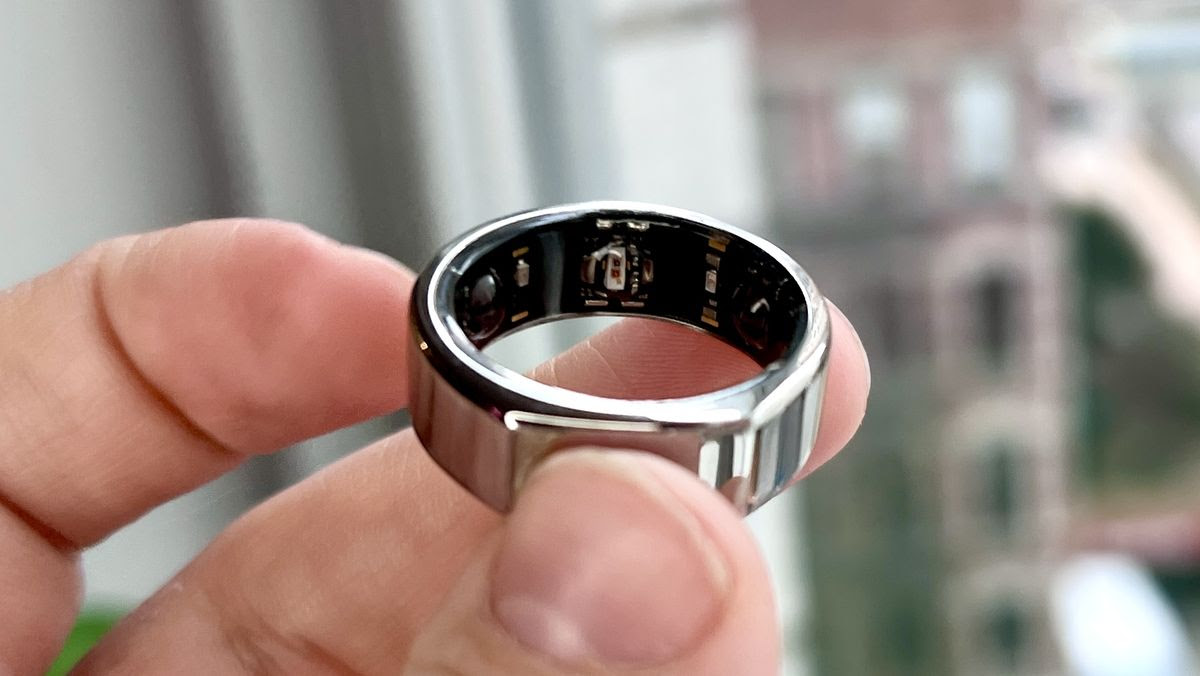
Oura Ring – Best for sleep tracking, recovery insights, and stress balance. Small, discreet, but no screen.

Whoop Band – Best for athletes and performance-driven individuals. Excellent Heart Rate Variability or HRV and recovery tracking, but requires a subscription.

Garmin – Best for active outdoor enthusiasts. Strong fitness, GPS, and stress tracking features. Wide range of models and price points.

Apple Watch – Best all-rounder. Combines stress and HRV data with everyday use (calls, apps, notifications). Great if you want one device to do it all.

Continuous Glucose Monitor (CGM) – Best for blood sugar awareness. Offers real-time glucose feedback. More medical in nature, can be eye-opening but may feel intense for some.

My Takeaway

If you’re health-conscious and longevity-minded, wearables can offer powerful insights — but they’re not the only way to know yourself. The most important step is finding the right mix of tools and practices that help you stay in tune with your body.

Next Steps

If you’re curious about trying one of these tools, or you’re not sure which might fit best with your lifestyle, I’d be happy to explore it with you. Just reach out whenever you’re ready — no rush. Sometimes the best next step is simply a conversation.