Archive for Wellness – Page 2

The Shoes That Made Me Ask: Who am I now?

I bought a pair of shoes… thinking I’d grow into the version of myself they represented.

Maybe you’ve done something similar—bought an outfit, made a plan, or signed up for something that felt just out of reach, hoping it would nudge you closer to the life you imagined.

For me, those shoes represented a return to who I was before. Before COVID. Before caregiving. Before my husband passed. Before I ran a hospital at home. Before my life transformed.

They were business shoes—for a woman who wore tailored jackets, walked into conferences, ran in-person sessions, and attended events with ease. But the life I had now was quieter. More inward. Still strong, but reshaped.

And I found myself asking:
Who am I now?
Do I fit this life? Or does this life fit me?

Maybe you’ve had your own moment like this. Life throws you something unexpected—loss, transition, aging, menopause, caregiving, retirement—and suddenly your identity doesn’t feel like it used to. And honestly? You’ve changed. And that’s not a bad thing.

So… Who Are You Becoming?
We don’t stay the same. Ten years ago, five years ago—even last year—we were different. And that’s the beautiful truth about life. We grow. We adapt. We soften in places and strengthen in others.

But at the heart of it, there are still a few things that matter deeply:

  • Our health
  • Our relationships
  • Our contribution
  • Our sense of fulfillment

So as summer unfolds, I invite you to reflect—not with judgment, but with curiosity.
What rhythms serve you now? What are you ready to release? What can support you in feeling more aligned today?

Here are 3 gentle practices that I recommend (and use myself) to reconnect with that ever-evolving version of YOU:


Key #1: Reflect with Gratitude

Each night before bed, name three things that made you feel proud, grateful, or peaceful.
Maybe it’s something you accomplished, someone you love, or a moment that surprised you.
This practice doesn’t just help your mindset—it’s a gentle bridge into sleep that’s far more effective (and calming) than scrolling or sleeping pills.

Key #2: Stock Up on What Nourishes You

Healthy choices start in your kitchen.
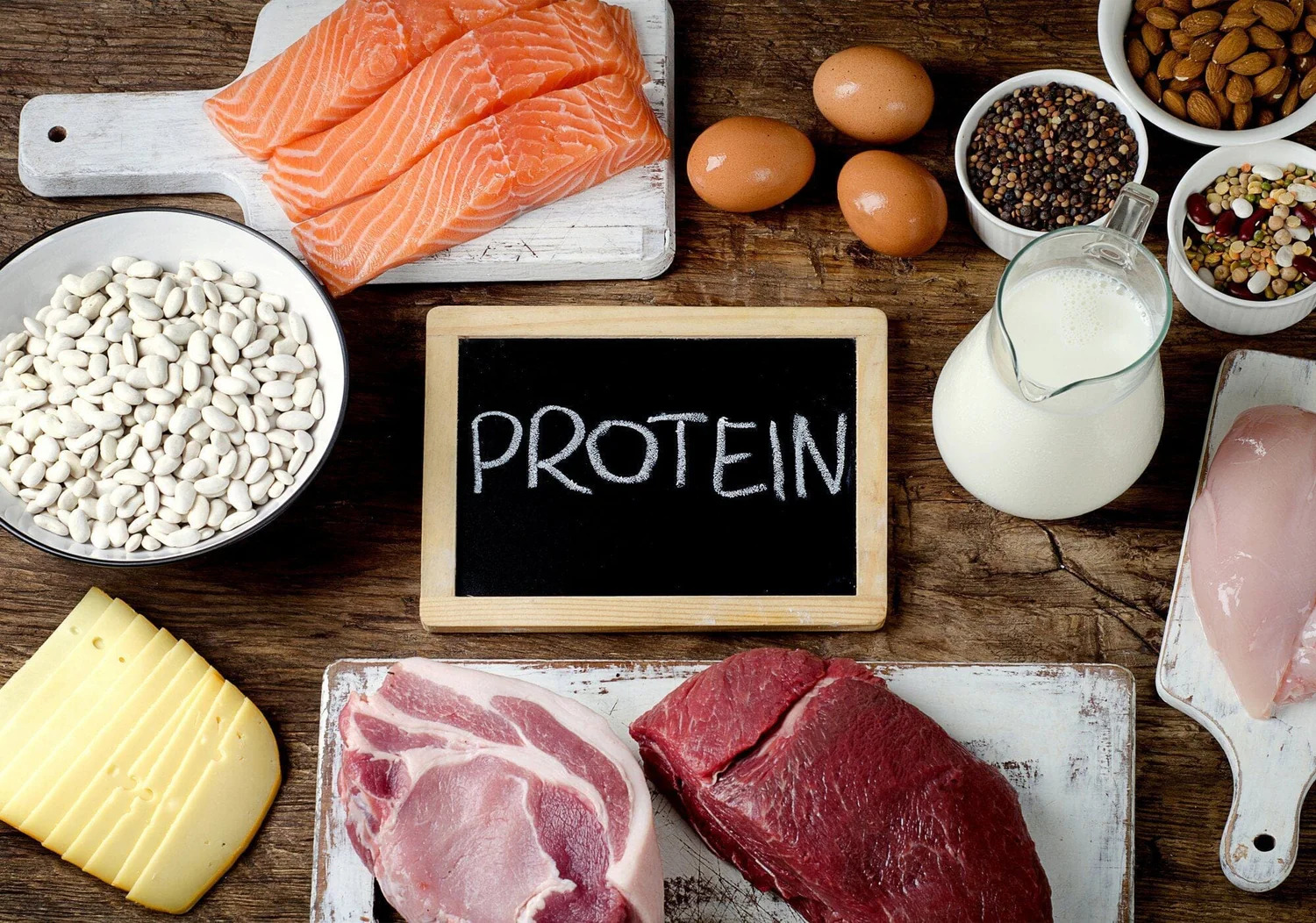
Keep fresh fruits and nuts on the counter, your fridge stocked with whole foods, and proteins available. When nourishing foods are on hand, it’s easier to avoid the quick-fix temptations.
A stocked kitchen is a self-care ritual—it says, “I’m worth feeding well.”

Key #3: Shake Up Your Movement

Have you been in a movement rut?
Try adjusting the whenwhatwhere, or with whom.
Personally, I’ve switched my walks to mornings—especially with these hot summer afternoons and evenings—and I’m surprised by how energized I feel. New timing. New rhythm. Fresh results.

Even small shifts can renew your motivation.

Whether you’re stepping into new shoes or slipping back into the comfy ones that still serve you well, let this be a season of gentle reconnection.

Not with who you used to be.
But with who you’re becoming now.

Perfect Timing for Energy and You

After working with clients for over 25 years–through weight loss plateaus, burnout from fad diets, and even GLP-1 medications like Ozempic–I’ve seen one truth repeat itself:

If your body’s rhythm is off, nothing sticks.

You might be eating better.
You might even be taking a medication that suppresses your appetite.
But if your internal clock isn’t working with you… your results will be limited–and short-lived.

Your body operates on a carefully orchestrated 24-hour cycle

Why Your Body Clock Matters

Whether you’re navigating weight loss naturally or with the help of GLP-1s, your circadian rhythm plays a huge role in:

  • When your body burns fat or stores it
  • How your gut and hormones function
  • Whether your cravings decrease or spiral

Here’s why that matters…

🧠 GLP-1 Medications (Like Ozempic) + Circadian Health

GLP-1s work by slowing digestion and reducing appetite–but they’re not magic. If you eat late at night, your insulin stays elevated, melatonin drops, and your body misses the window for healing and fat-burning that should be happening while you sleep.

Nighttime is when your body should be repairing, not digesting

Studies show that:

  • Melatonin and insulin can’t function properly at the same time–so eating late cancels both out
  • Fasting overnight (12+ hours) improves the effectiveness of GLP-1s and stabilizes blood sugar
  • Your liver and gut repair between 2–4 AM–but only if you’re not still digesting food

🍽️ So What Can You Do?

Start small:

  1. Front-load your meals
    Eat bigger meals earlier in the day (larger lunch, lighter dinner)
  2. Create an eating window
    Stop eating 2-3 hours before bed
  3. Delay breakfast
    Wait 1-2 hours after waking to eat–give cortisol and blood sugar time to stabilize
  4. Hydrate and move
    Stay hydrated (especially in the morning), and move your body during the afternoon to help reset your glucose metabolism

These may sound like small shifts–but when done consistently, they amplify the impact of everything else you’re doing (whether that’s medication, meal planning, or mindful eating).

Aligning with natural light cycles helps regulate your circadian rhythm


🌿 Your Body Wants to Heal–You Just Have to Give It the Right Timing

Circadian alignment isn’t trendy–it’s ancient biology.
It’s the missing piece for many of my clients, and it’s one of the reasons my programs work–because they honor your body’s rhythm.

📞 I have space this month for a few new clients.

If you’ve been struggling with weight, energy, or just feeling off…
And if you’re tired of strategies that don’t stick…

Schedule a Consultation

You deserve to feel better in your body–and to have a guide who sees the full picture.

How to get your 24-Hour clock in sync

Our bodies function on a 24-hour internal clock known as the Circadian Rhythm–a biological system that regulates everything from digestion to hormone production, energy levels, and sleep cycles. This clock isn’t dictated by the time on the wall but by light exposure, meal timing, and daily activity patterns.

For thousands of years, humans followed a natural cycle of light and darkness, eating and moving during daylight hours and resting after sunset. However, modern life–with artificial lighting, late-night screen time, round-the-clock eating, and increased stress–has disrupted this rhythm, contributing to poor sleep, metabolic disorders, weight gain, and accelerated aging.

By aligning our daily habits with our natural Circadian Rhythm, we can restore balance, improve energy levels, regulate metabolism, and support overall health.

The Three Cycles of Circadian Health

Your body operates in three distinct cycles throughout a 24-hour period. Each phase plays a unique role in elimination, digestion, and assimilation, and making simple adjustments to your routine can help optimize your health.

Cycle 1

The Elimination Cycle

4 AM – Noon

This is the body’s natural detox phase, where it eliminates toxins and resets for the day ahead.

✅ Expose yourself to natural light early — Step outside for at least 20 minutes in the morning rather than heading to a dimly lit gym. Sunlight stimulates vitamin D production, regulates your sleep-wake cycle, and enhances immune function.

✅ Delay breakfast for 1-2 hours — Your body is transitioning from melatonin (the sleep hormone) to cortisol (the wake-up hormone). Eating too soon disrupts this process, making digestion sluggish.

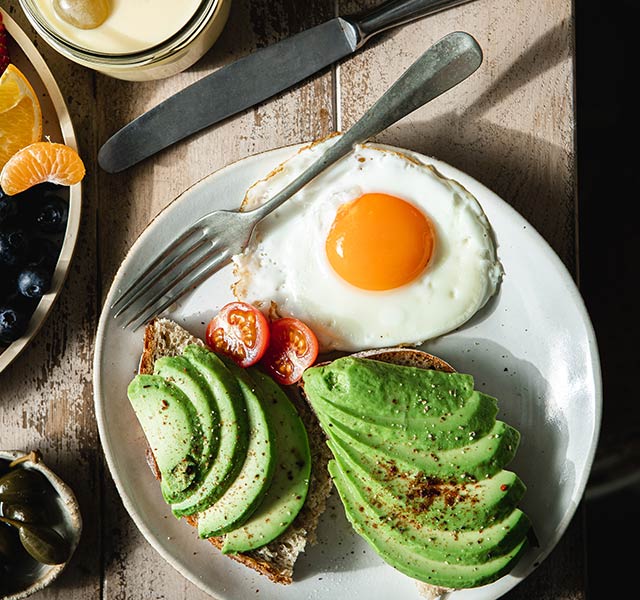
✅ Avoid sugary breakfasts — Blood sugar naturally rises after 4 AM, so starting the day with high-carb or sugar-heavy foods can cause insulin spikes and energy crashes.

✅ Hydrate first thing in the morning — Drinking water upon waking supports digestion and helps eliminate toxins accumulated overnight.

✅ Limit stressful activities — Cortisol levels peak in the early morning, so try to avoid high-stress tasks during this period to prevent additional strain on the body.

✅ Stick to a consistent wake-up time — Even on weekends, waking up at the same time supports a healthy Circadian Rhythm, reducing fatigue and brain fog.

The Assimilation Cycle

8 PM – 4 AM

This is the restorative phase, where the body repairs, detoxifies, and regenerates.

✅ Prioritize early bedtime (ideally by 10 PM) — At this time, your body switches to fat-burning mode, regulates mood, and undergoes deep cellular repair.

✅ Reduce blue light exposure 2-3 hours before bed — Phones, computers, and TVs emit blue light, which disrupts melatonin production and interferes with sleep. Use blue-light-blocking glasses or switch devices to night mode.

✅ Avoid food close to bedtime — Late-night eating spikes blood sugar and disrupts digestion, making it harder to achieve deep, restorative sleep.

✅ Maintain a consistent bedtime — Your body thrives on routine. Going to bed at the same time every night strengthens the Circadian Rhythm, promoting better sleep and overall health.

✅ Incorporate relaxation techniques — Reading, meditation, or light stretching before bed helps transition the body into a restful state.

✅ Sleep for at least 7-8 hours — Growth hormone production, muscle repair, and brain detoxification all happen during deep sleep. Missing out on rest disrupts these essential functions.

How to Improve Your Circadian Rhythm

Want to restore balance and optimize your energy levels? Here are key strategies to regulate your body’s internal clock:

  • Stick to a regular sleep schedule — Wake up and go to bed at the same time daily.
  • Expose yourself to bright morning light — Sunlight signals wakefulness and keeps your internal clock in sync.
  • Limit artificial light at night — Use dim lighting and avoid screens before bedtime.
  • Move daily, but avoid late-night exercise — Physical activity is essential, but exercising too late can interfere with sleep.
  • Practice time-restricted eating — Avoid eating outside of an 8-12 hour window to align digestion with the body’s natural cycle.

Final Thoughts

Modern life often pulls us away from our natural biological rhythms, but small, intentional lifestyle changes can help us restore balance and improve overall health.

By aligning your daily habits with your Circadian Rhythm, you can optimize digestion, regulate hormones, boost energy, and even slow down the aging process.

Your body thrives on consistency, light exposure, movement, and proper nourishment–so take a step today toward better sleep, improved metabolism, and a more vibrant, energized life!

A Supplement to Support Your Circadian Health

As a clinical nutritionist I get to review numerous products, including supplements, that contribute to overall wellbeing. BODYCLOC is a valuable support supplement to complement your circadian health lifestyle habits. This product was also a finalist for the prestigious NEXTY Awards, recognizing excellence in natural products and innovation.

BODYCLOC®, from Bodycloc Naturals is uniquely positioned as the first, patent pending supplement to deal with the “timing” of nutrients, the three, 8-hour metabolic cycles and, in turn, the body’s 24-hour Body Clock/Circadian Rhythm. BODYCLOC’s vegetarian capsules contain selected certified ingredients which offer superior quality, more precise effective amounts, better bioavailability, environmental sustainability, as well as informative clinical studies to support their ingredient claims – all timed at the right time of the day when the body needs them most.

You are invited you to take the 7-Day Wellness Challenge to get your 24-hour Body Clock back in sync using a special Coaching For Health code LKAIBH6BVEFC for a 15% discount at checkout here:

Visit BodyCloc.com

The website also offers a free eBook called: “24-Hour Body Clock Reset Guide”.

Also, watch BODYCLOC YouTube Channel short videos: Bodycloc Naturals – YouTube

To Ozempic or Not to Ozempic?

Ozempic has officially entered the wellness zeitgeist.

Once prescribed primarily for Type 2 diabetes, it’s now making headlines in Hollywood circles, wellness forums, and everyday conversations about weight loss–especially for women navigating midlife metabolism shifts.

But behind the headlines and hashtags lies a deeper question: Is Ozempic the miracle we’ve been waiting for–or just another quick fix with long-term consequences?

Let’s unpack this with honesty and nuance.

Ozempic Alone Is Not the Answer

Here’s what’s often missing from the mainstream conversation: Ozempic is not a standalone solution.

Yes, it can suppress appetite and help stabilize blood sugar–but without a foundation of lifestyle changes, the results are often temporary. Once the medication stops, weight regain is common. Even more concerning, staying on it long-term may lead to other health issues, including muscle loss, nutrient deficiencies, and even a disconnection from your body’s hunger and fullness cues.

You deserve more than a fleeting fix. You deserve lasting transformation rooted in respect for your body, not a battle against it.

Why the Healthcare System Falls Short

The truth? Most doctors don’t have the time–or training–to walk you through the nuanced behavioral, nutritional, and emotional changes needed for sustainable weight loss. That’s not a criticism; it’s a reality of our current system.

But professionals like myself are trained in the deeper layers of change: metabolic healing, nervous system support, and hormone-informed nourishment. These elements aren’t just “nice to have.” They are essential.

Without them, Ozempic is like building a house on sand.

So… Should You Take It?

Here’s my honest take:

• If you’re considering Ozempic, do it as part of a bigger plan. A small dose–prescribed by a knowledgeable physician and paired with personalized coaching–can be helpful for women who’ve tried everything and feel stuck.

• But using Ozempic without changing your nutrition, stress patterns, sleep habits, and emotional relationship with food? That’s like turning down the volume on a fire alarm without putting out the fire.

You must commit to yourself first, not the medication.

Side Effects: What You Should Know

Ozempic is technically a peptide, not a traditional drug–but that doesn’t mean it’s risk-free. Common side effects include:

  • Nausea, vomiting, diarrhea, abdominal pain
  • Acid reflux, bloating, and burping
  • Muscle loss and dehydration due to decreased thirst and protein breakdown
  • Rare but serious complications like pancreatitis and low blood sugar

To reduce these risks:

  • Work with your provider on proper dosing
  • Eat protein-rich, smaller meals
  • Stay hydrated (true cellular hydration matters more than you think)
  • Strength-train regularly to preserve muscle mass

Note: Muscle strength–not just size–is critical for metabolic health, cognitive function, and longevity.

Let’s Talk About Respect

Your body is not broken. It’s speaking to you.

If you’re considering Ozempic because nothing else has worked, I see you. But ask yourself: Am I ready to pair this tool with the deeper healing my body truly needs?

Because the truth is, you don’t need more restriction. You need restoration.

And no, you shouldn’t have to figure it out alone.

The Real Path Forward

This is where coaching becomes your lifeline–not to tell you what to eat, but to help you reconnect with the wisdom your body already holds. Together, we explore:

  • Hormone balance
  • Nervous system regulation
  • Nutrient-dense, realistic meals
  • Sleep rhythms and stress resilience
  • Releasing shame and fear around food

It’s not always fast. But it’s real.

Final Word: Do It for You

Not for your kids. Not for your doctor. Not for some image of your “old self.”

Do it because you’re tired of fighting your body and ready to start partnering with it. Do it because you want to feel energy, clarity, and ease again. Do it because healing isn’t just about looking different–it’s about living differently.

You deserve a future where wellness feels like freedom, not control.

And if Ozempic is part of that path, make sure it’s just one tool in a much more compassionate, comprehensive toolbox.

Unlock Ozempic: Achieve Weight Loss Mastery!

In recent years, Ozempic has gained significant attention as a potential tool for weight loss. While some celebrate its effectiveness, it’s important to understand that Ozempic works best when combined with healthy lifestyle changes — and is not meant for lifelong use.

If you’re considering Ozempic as part of your weight loss journey, it’s crucial to understand both its benefits and potential risks — as well as how to build lasting healthy habits.

Why Ozempic Is Not a Long-Term Fix

While Ozempic can be a helpful jumpstart for those struggling with weight resistance, it’s not designed to be a permanent solution. There are three major concerns with prolonged Ozempic use:

1. Rebound Weight Gain: Once patients stop taking Ozempic without sustainable lifestyle changes in place, the weight can return — often quickly.

2. Dehydration: Ozempic suppresses appetite, which can lead to inadequate hydration and nutrient intake.

3. Muscle Wasting: Without proper nutrition and movement, your body may burn muscle instead of fat, reducing overall strength and

Maximizing Ozempic’s Effectiveness with Healthy Habits

✅ Meal Preparation: Preparing nourishing, whole-food meals reduces the temptation of fast, processed foods. Keeping a cooler in your car with snacks like cucumbers, almonds, or hard-boiled eggs can prevent impulsive, less healthy choices.

Hydration: Drinking plenty of water throughout the day — not just when you’re thirsty — is key. Proper hydration helps curb cravings, improve digestion, and reduce fatigue.

✅ Gentle Exercise: It’s best to wait until you’ve lost 20-30 pounds before introducing more intense exercise. Early in your weight loss journey, your body is naturally detoxifying — and rest during this phase is vital. Overexertion too soon can trigger muscle loss and compromise your immune system.

✅ Detoxification Support: In the early stages of weight loss, toxins stored in fat cells are released into your system. Supporting your body with nutrient-rich foods, proper hydration, and practices like sauna therapy can enhance your detox process.


Maximizing Ozempic’s Effectiveness with Healthy Habits

Ozempic reduces cravings by altering hunger signals and making food less appealing. However, emotional eating patterns still need to be addressed. Creating mindful eating habits, stress management strategies, and learning to listen to your body’s signals are essential for long-term success

Ozempic as a Motivational Tool

For many people, Ozempic can provide an important confidence boost. The early weight loss results can be a powerful motivator, helping individuals refocus on their health and adopt sustainable habits.

If you choose to use Ozempic, consider it a short-term tool — ideally for no longer than three months. During this time, focus on establishing healthier habits that you can maintain independently once you’ve discontinued the medication.

When Should You Consider Ozempic?

Ozempic is primarily prescribed for individuals with pre-diabetes or type 2 diabetes. If you’re not in this category, working with a clinical nutritionist or health coach may be a better first step.

If you have over 100 pounds to lose, remember that this is a long-term process. Sustainable weight loss often takes a year or more. Progress may come in waves — some weeks you may experience plateaus or even slight gains, and that’s normal.

Beyond Weight Loss: The Health Benefits of Sustainable Change

Healthy, sustainable weight loss offers far more than just a number on the scale. Improved markers such as:

✅ Lower A1c levels

✅ Improved cholesterol and triglycerides

✅ Better energy, mood, and immune function

Your Unique Journey to Health

Every weight loss journey is different, and there’s no one-size-fits-all solution. Whether you’re considering Ozempic or focusing entirely on lifestyle changes, working with a physician, nutritionist, and health coach can help you find the right path for your body.

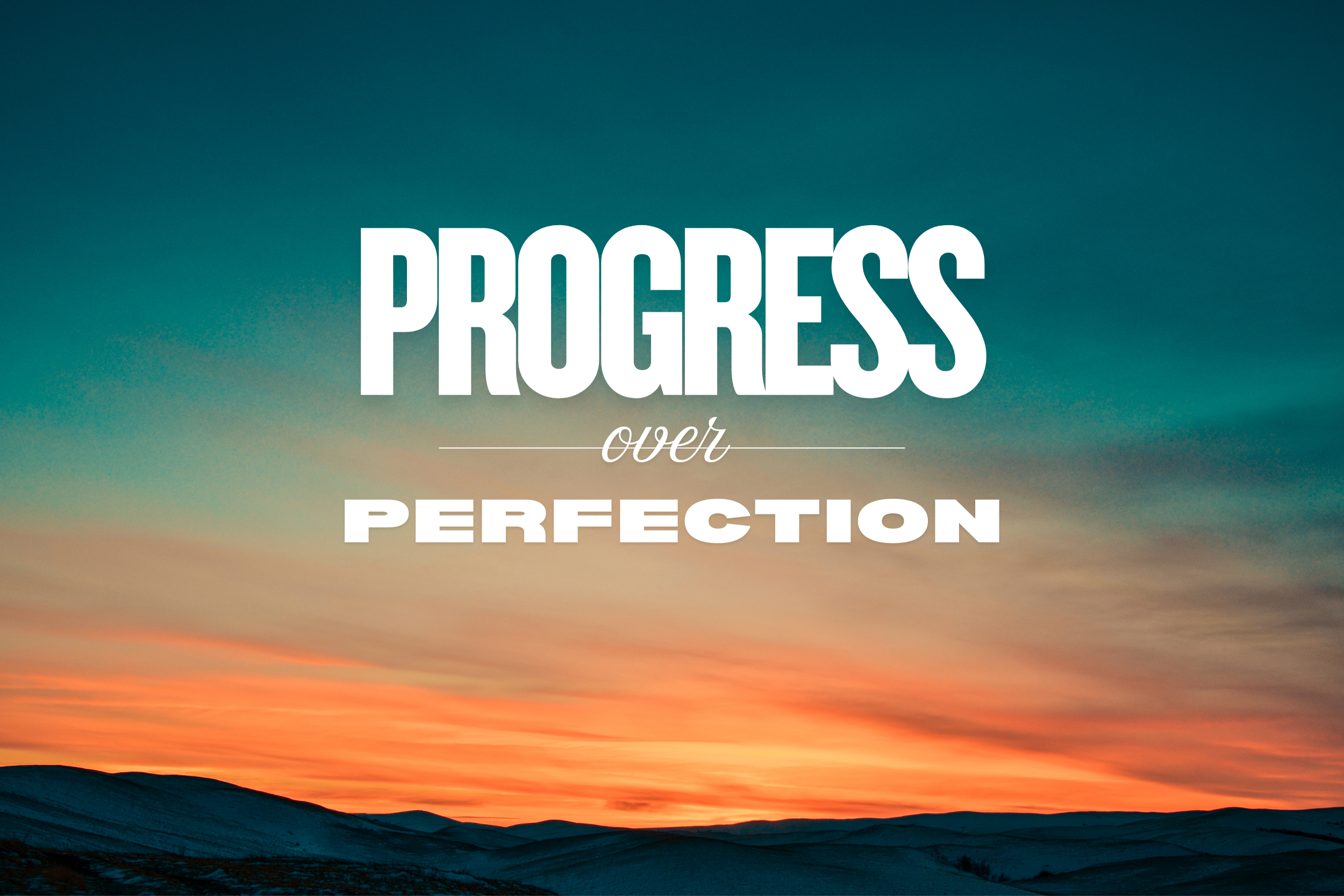
Remember, even if you can’t commit 100% to a structured program, doing 50% will still yield better results than doing nothing. Progress is about consistency, not perfection.

Final Thought: Focus on Nourishment

Your journey to better health doesn’t have to feel like punishment. Shift your mindset to focus on being nourished — with good food, restful sleep, meaningful movement, and supportive relationships.

By taking a gentle, patient approach and building sustainable habits, you’ll not only lose weight — you’ll reclaim your energy, confidence, and well-being.

Home Cooking Just Got Easier

Let’s face it we’re at home more these days which means either you’re eating more processed/convenience foods, ordering more take-out or, and I hope this is the case, you’re cooking up a storm in your very own kitchen. 

Cooking your own home cooked meals is quite easy, all you have to do is: Plan, Shop, Cook and Enjoy!

Let’s explore these tips on how to make your home cooking easier a little more:

  1. Plan. I can’t overemphasize how important planning is. If you look ahead you will not fall prey to eating whatever happens to be available – healthy or not – when you are hungry. To help you get into the planning mood you can start by looking at recipes in books or online. You can also get recipe ideas from friends, family, cooking shows or food blogs. Doing this will help you start creating your shopping list for the week.    

  2. Shop. Planning helps you create a solid shopping list which helps you manage your budget better. Buy foods on special that way you’ll be eating seasonally as often these food items are more readily available at that particular time of the year. It may be different where you live but here in my neck of the woods – asparagus seems to be plentiful this time of year causing prices to be lower than in the height of the summer.

    Also, having a shopping list helps you from under-buying causing you to make too many trips back and forth to the grocery store – wasting time and energy. And then there’s over-purchasing where you often end up throwing food away – that’s such a waste on so many levels. When you were growing up I’m sure you heard your mother say: “finish your plate, there are people starving.” Unfortunately, that is a reality in many parts of the world, but eating because others are starving really doesn’t make sense. But thinking of it on a deeper level – by not wasting food you are respecting and giving thanks for what you are lucky to have.

  3. Cook. Make your cooking environment pleasant and not chaotic. Of course, having all necessary ingredients and supplies at hand is key but also having a peaceful atmosphere is essential. Play music when preparing your meals. Having tools accessible and easy to find is half the battle. Make sure you are using the best ingredients available from spices, herbs, oils to your proteins, vegetables and grains.

    Just as over-purchasing is not the best strategy, so too is cooking too much food. Leftovers are good to a certain extent but if food sits around for more than 2 days it starts to lose much of its nutritional value and quality. Decide from the get go to eat as fresh as possible.   

  4. Enjoy. Enjoy your meals with the warmth and caring of a lovely conversation.  Whether you’re having dinner with your family at home or finding yourself going solo you can always make it even more special. Over the last week I found myself picking up the phone when my delicious dinner stood before me. It was a spontaneous impulse and an enjoyable experience – it felt as though I was having friends over for dinner. Of course, it may not be everyone’s cup of tea to engage in “distance dining”, but it sure can be fun. Instead of the phone you can always use Zoom, Facetime, Whatsapp. In these times, we need to reach out and feel connected in whatever we can.

Are You Overdoing It?

Sure it might be the time of Covid and you may feel that you’re doing a lot less than you used to do pre-Covid – but are you? I know for me last year I was very busy learning new skills and bringing most of my business online. This transition required an immense amount of downloading information and developing technical know-how rather quickly. I got much busier, and in different ways, than I used to be. 

Even as I write this, as we wrap up the first month of the year, life has been quite overwhelming. I am wondering if you’re feeling the same way. If you find yourself doing way too much right, I’d like to share some signs and hopefully some solutions to help you get into a more doable and manageable state. 

So are you overdoing it? Or maybe you feel you may be underdoing it. But what’s the truth?

5 signs that indicate that you might be overdoing it:

  • You can’t think straight
  • You can’t sleep
  • You are always feeling agitated, irritated and/or annoyed
  • You think of yourself last
  • Your environment is out of order

Sound familiar? 

If you suffer from any of these telltale signs here’s what to do about it:

1.) Can’t think straight. You are used to being rational and organized in thought and suddenly you’ve been thrown a curveball in your already stress-filled life and feel confused and unable to make clear decisions. 

Solution: Take things off your plate. Believe it or not, things will get done without your constant need to manage or control everything every minute of your day. Take a break, go for a walk, call a friend, or here’s a revolutionary idea – why not take a nap. If you are unable to have clarity about an issue or concern, it’s best to step away for a short time

You may find answers when and where you least expect them. I get great ideas in the shower – how about you?    

2.) Can’t sleep. It’s 4 a.m. again and here you are wide awake. No matter how many soothing sounds float around your head – whether it be white noise, soundscapes, and ocean waves – for the life of you the repetitive thoughts in your head just won’t disappear. You suddenly notice you are not only awake but your eyes are wide open. 

Solution: My great solution to that dilemma is to turn the light on, pick up a piece of paper and start writing whatever comes into your head. This is called a brain dump and it’s very effective. It helps you get all those nagging thoughts out onto the page. You can leave them all behind as you head back to bed. Ideally, this practice is best done just before bedtime to help prevent potential sleep disturbances. But if you find yourself wide awake – try it. 

3.) Always feeling agitated, irritated, and/or annoyed. No matter what – things can always make you feel on edge especially when you are doing way too much. Ok so you already have a full plate and then someone asks you to do just one more thing and you lose it. 

Solution: Plan and schedule your day. I have been advising clients for years to only have 3 things on their To-Do List for the day. This is your goal even if it is sometimes hard to attain – let “Only 3” be your mantra. Remember there’s always tomorrow. And there will always be something to add to your list. With only 3 you will feel more in control and less overwhelmed.   

4.) Thinking of yourself last. Everyone comes first – you eat your dinner last after you’ve served everyone else, you get to have the last morsels of whatever’s left, you get other’s doctor’s visits scheduled but you never get around to getting your own telehealth check-up session on your calendar. Doing for others is noble and kind but not at the cost of your own health and peace of mind. 

Solution: make yourself a priority. This is another mandate of mine which I regularly remind my clients of. Carve out time for you. And… here’s a big one… let others do things for you, allow them to help you, too. I find this particular “overdoing sign” to be a big one for women. Just remember being a superwoman is a myth – know that you are super just because you are you and running yourself ragged is not part of the equation. 

5.) Environment is out of order. Do you find your office, desk, or car or fill in the blank is messier than normal or not the way you normally like it. Are you having difficulty finding things? When once you were so on top of things now your office looks like a ski resort – full of mountains of white paper scattered everywhere. 

Solution: Decide to tackle only one area at a time. Give yourself a time period even if it’s only 5 minutes. Make sure you have your wastebasket nearby and begin. Start sorting. Even if you only get a few things organized after your first attempt consider it a victory and vow to continue the next day and the next. You will feel like you are getting somewhere, and less overwhelmed the more you stick with it. 

If you can relate to any of these most common signs you’ve come to the right place. So my advice is: take a hiatus and try some of these solutions to help break the cycle. 

Happy Underdoing!

What’s It Going to Take?

What’s it going to take to make your health a priority this year? I don’t mean just avoiding getting sick but how to achieve good health. With all the present fear surrounding the virus, perhaps it’s better to focus on the basics of good health and how to keep it, maintain it, and treasure it.

So what can you do? 

Here are three tips to help you focus on what’s important:

Tip #1 Keep It Simple. Trying to do too many things at once may cause all your best intentions to backfire.

At the beginning of a new year there’s a mad rush to get out and start breaking in your new sneakers, or peddling around the park on your new bike, or how about that great home exercise equipment – Peloton anyone? 

Or maybe you found a bright new shiny Vitamix under your Christmas tree. You might want to jump in and start everything at once. I encourage you, however, to choose just one thing to start. Pick that one thing and stick with it for a period of time. Once you’ve mastered it you can then move onto the next.

Tip #2 Give Yourself Credit. Making changes is not an easy feat. It takes courage, focus, and determination. Sure you often have to make changes throughout your day – requiring you to pivot or feeling like you have no control. But what about changes you really want to have in  your life? Consider the changes that will make a difference in your life.

What change will help you achieve the health goals you desire? To start making a plan is essential. Without a plan you won’t have any clear and won’t know where you’re headed. Regardless of the occasional derailment, give yourself credit for creating a plan and moving forward with it. Feel good knowing you have a path that’s your very own and one that can always be refined and adjusted at any time. Create it and keep going.

Tip #3 Learn how to make it stick. If you decided to give up junk food or processed food this January, to help you in this effort, make sure you don’t have it around your house. It will be easier if it’s out of sight and out of mind. With everyone ordering online these days it’s easy to just press “add to cart” when you have a craving. But here again you want to plan – even your purchasing

Try doing your food shopping at the beginning of the day after you’ve eaten a nourishing breakfast. You’ll be more satisfied and less vulnerable to the sugar and carb (snacks) craving cycle which often occurs in the late afternoon and early evening. These cravings are often caused by low Serotonin, an important calming brain chemical. Stock your home with healthy foods so you will be prepared for those daily biochemical fluctuations. 

Plant the seeds for a healthy and nourishing new year this month. 


A Holiday Season Like No Other

As we face lockdowns during this most festive time of year, something we’ve never had to experience in lifetimes, it becomes clear that self-reflection is key to making it a positive time for you. The impact is worldwide, as we know. Actually I have to rephrase that because I have friends in Australia and New Zealand and things are pretty much back to normal over there. What we can hope for is that we get back to something similar to our friends down under or even better, soon. As my 99-year-old mother always says “Hope is all we really have”. And she also says: “Treasure your health because it’s tough when that goes”. Wise words that I cherish.

So here are FIVE WAYS to add hope and appreciation to your celebration this year:

  1. Make Love Matter. Love is the best ingredient for wellness that I know of. Sharing in any way you can this year with friends and family will strengthen you and help you feel lighter and connected. If you are able to help the less fortunate, by dropping off food or gifts, would be a gesture of love and compassion for your fellow travelers. I’m sure there are ways to deliver goods in your local area that will be safe for all involved. Call your neighborhood charitable organizations and check to see how you can help. Love is never about giving gifts, Love itself is the REAL GIFT. Open your heart and be present this holiday season. Share with those dearest and nearest how much they mean to you.

  2. Make New Traditions. Try and take some of the more traditional holiday foods like sweets, alcohol, and snacks off the table this year or at least limit them. With COVID you’ve had an opportunity to either get healthier or go in the other direction. You always have a choice. Since you won’t be inundated with a myriad of parties and gatherings this year it could be the best opportunity for you to cut back on some of your unhealthy consumption patterns. Why not give yourself a week of cleansing instead? Wouldn’t it be great to end your year feeling refreshed rather than desperately trying tackle your bad habits in the New Year? Without all the normal holiday activities this is a perfect time to slow down regroup and recharge.


  3. Take Your Immune Enhancing Supplements. Yes you do need to take care of your immune system and yes there are supplements that can help you do just that. Vitamin D is a nutrient everyone is talking about right now. Have your Vitamin D levels checked by your Dr. to see if you could benefit. Vitamin C if our regular immune booster and should be taken daily for insurance.  Adding a Zinc supplement will help keep your immune system strong during what could be a very challenging winter. Use food as your first line of defense and add some of these therapeutic nutrition supplements to your daily routine as well.


    4. Be Present. It’s really easy to distract yourself with online shopping, Netflix, home renovations, or what have you. This time, as I’ve mentioned, is a great time to go inside and reflect on just what you’ve learned this past year. Even though I would suspect most of the goals you had at the beginning of the year have been altered drastically, ask yourself what are some of valuable things you’ve learned this year? Whether it’s having more time to rest, an opportunity to study something you have always been interested in or learning a new technology whether you wanted to or not – it’s still a new skill you were able to pick up. I hope this crisis has helped you discover your inner strength. Or maybe now you have developed a greater appreciation of nature. This great Reset may have helped you review what’s most important in your life.

    5. Make New Friends. Since we haven’t been able to go out much you’ve mostly likely spent more time online meeting people on Zoom. I know for me doing a five week cleanse in November was not only really great for my health but I also met so many people from all over the world committed to improving their health as well. Building these types of connections is becoming the new norm. Have you met any new people this year? Have you met people you would never have met if you were going about your “regular” life. Again this is a great time to reflect and appreciate all the new people, experiences and discoveries you’ve made this year.


    Wishing you a Blessed Season.


Are Healthy & Happy Holidays Possible This Year?

Things have changed dramatically this year and certainly, drastically, since the original Thanksgiving. Today we are inundated with “too much”. Too much to do, too much news, too much food, too much technology, and so on. We can, however, be thankful that most of us have survived such a crazy year.  

So how can you honestly have a healthy and happy Thanksgiving during this strange year? Here are 5 tips to help you manage that very thing.

Here are Your 5 Happy & Healthy Holiday Tips:

  1. Make Sure Your Gut is Happy. Take your probiotics, digestive enzymes, and HCL (Betaine Hydrochloride) to help manage your digestive tract. A note of caution: if you experience an inflammatory digestive condition like heartburn, ulcer, or other upper digestive issues to be safe avoid these supplements until your condition is healed.  Did you know that your digestive tract is also comprised 70-80% of your immune system? So if you make healthy dietary choices especially during this feasting time of year you will be less likely to have a compromised immune system. Don’t overeat, mix too many types of foods at one sitting or dilute your naturally occurring digestive enzymes by drinking too much liquid with your meals.


  2. Holiday Rest. This is a must or else your body will eventually breakdown. In normal times the holidays are synonymous with hectic days and increased stress so it’s important to take whatever time you can to shut the door and stop the world for a few minutes or hours. Believe me, you want to do this. I say this all the time: if you want to be more effective and productive, you must learn how to rest and relax your mind and your body. I’m not just saying to have a good night’s but also try some meditation, breathing exercises, or a timed visualization session. It doesn’t have be for a long period, could be as little as 5 minutes all the way to 30 minutes. Rest and relaxation is a must for overall health and self-preservation.


  3. Forego the Holiday Desserts. Savor your holiday sweets but indulge only sparingly or if you can make a commitment to get it out of your diet altogether that would be even better. When you consume sugar the brain produces huge surges of dopamine, the feel-good brain chemical, which is one of the main reasons it is so hard to give up sugar and sweets once you start eating them. Sugar makes you feel good initially but that feeling doesn’t last and soon you’re looking for your next fix. Sugar also depletes your immune system – something you definitely do not want to compromise at this time. 

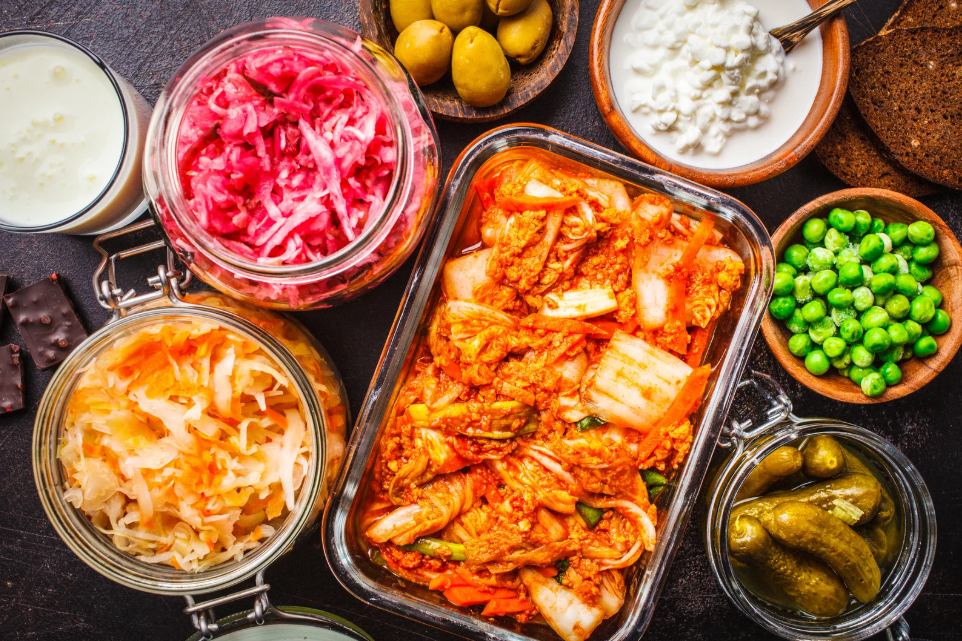
  4. Use Pre-biotics. Adding sauerkraut, not a typical Thanksgiving food, can prepare your digestive tract nicely for good digestion. I know, I know sauerkraut – maybe not everyone’s cup of tea. I grew up in a German household where my mother lovingly made a barrel of it on a regular basis, but it was never one of my favorite foods. If you, too are not a friend to this traditional food of Germany, there are many other cultured or fermented foods that will provide the same health benefits such as yogurt, pickles, kimchi, and olives for example. 

  5. Choose Mostly Vegetables.  Vegetables ought to be your best dietary friend by far. This Thanksgiving choose more of the Brussel sprouts, green beans, carrots, salads, sweet potatoes (without the marshmallows), squash whatever is colorful, and from the garden. 


    If you load up on these high powered gems you won’t have as much room for the desert table. You need your daily fiber and vegetables are packed full of it. These garden treasures are also loaded with the essential minerals and vitamins you need for your body to feel good and work well. If you want to be healthy and not sick; think of vegetables as always being your very best friends.  

    Enjoy the wonderful bounty of the Season!