

With so much conflicting advice about food, it’s easy to lose sight of what actually works.
After more than 30 years of practicing clinical nutrition, I’m still surprised by how much confusion there is about something as fundamental as choosing what to eat.
I often meet women who are intelligent, accomplished, and highly capable in so many areas of their lives, yet feel completely overwhelmed when it comes to making everyday food choices.
And I understand why.
There’s so much noise out there.
Intermittent fasting. Paleo. High-protein. Low-carb. Keto. Plant-based. Elimination diets. The latest superfood. The newest supplement.
One expert tells you to avoid something. Another tells you that you need more of it.
And just when you think you’ve figured it out, another headline or social media post suggests you’ve been doing it all wrong.
No wonder people are confused.
Sometimes I think we’ve made eating well much harder than it needs to be.
Healthy eating doesn’t have to be complicated. It needs to be thoughtful, consistent, and appropriate for you.
Start With the Fundamentals
Before you get caught up in the latest eating plan, let’s go back to the basics.
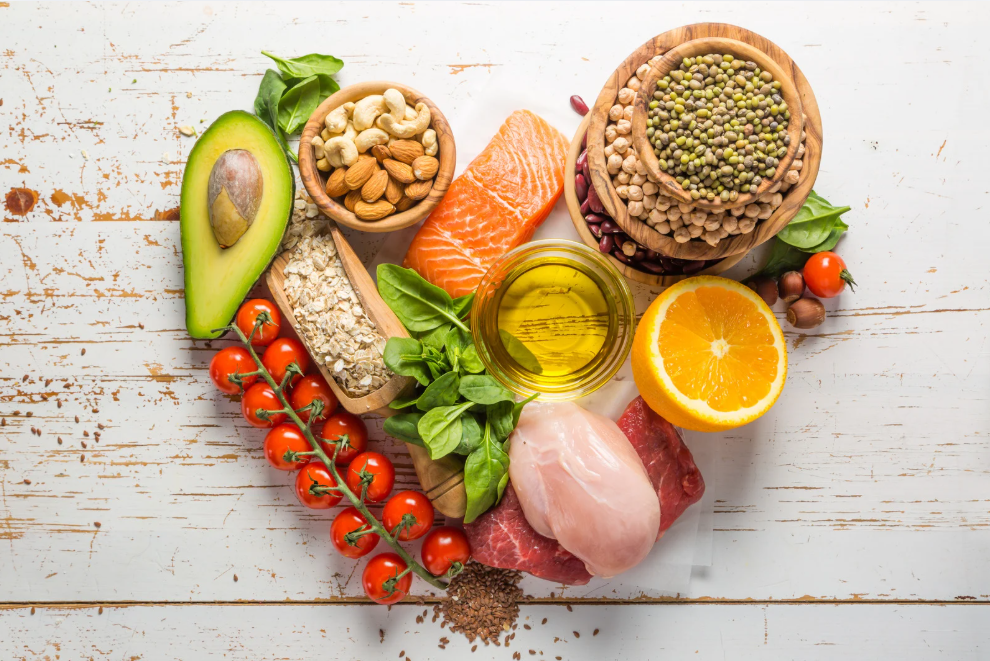
Your body needs nourishment. It needs protein to maintain and repair tissues, healthy fats to support normal function, carbohydrates for energy, and the vitamins, minerals, fiber, and other nutrients found in a variety of whole foods.
You don’t need an elaborate meal plan to put those pieces together.
You can start with a few practical questions:
-
- Am I including a good source of protein in my meals?
-
- Am I eating enough vegetables and other fiber-rich foods?
-
- Am I choosing foods that provide nourishment rather than just filling me up?
-
- Am I eating regularly enough to support my energy throughout the day?
-
- Am I drinking enough water?
-
- Am I enjoying what I’m eating?
These aren’t complicated rules. They’re useful starting points.
And they can make a meaningful difference when practiced consistently.
Your Food Choices Don’t Need to Be Perfect
One of the things I emphasize with clients is that eating well isn’t about preparing elaborate meals or following a rigid set of rules.
It’s about having practical choices available.
For example:
Breakfast: Greek yogurt with berries, nuts, and seeds. Or eggs with vegetables and a slice of good-quality sourdough bread.
Lunch: A salad with chicken, salmon, or another protein source, along with colorful vegetables and a satisfying dressing.
Dinner: Fish or chicken, roasted vegetables, and a sweet potato. Or a simple bowl with beans, vegetables, and your preferred source of protein.
Snacks: Fresh fruit, a handful of nuts, yogurt, or a little cheese.
Nothing extraordinary. No complicated recipes. No special ingredients you have to order from three different places.
Just real food, thoughtfully combined.
And if you don’t have time to cook every day, that’s okay. Keep some convenient options on hand. Prepared vegetables, cooked chicken, frozen vegetables, canned beans, and other simple ingredients can make putting a meal together much easier.
The goal is to make nourishing choices accessible, not to turn your kitchen into another full-time job.
But What About All Those Different Diets?
You may be wondering whether you should be intermittent fasting, eating more protein, cutting carbohydrates, or following one of the many other approaches you’ve heard about.
Here’s my perspective.
Some dietary approaches can be useful for certain people in certain circumstances. But that doesn’t mean they’re right for everyone.
Your age, activity level, health history, medications, sleep, stress, digestive function, and individual nutritional needs all matter.
For example, a woman who is struggling to maintain muscle may need to pay particular attention to protein intake and strength training. Someone experiencing blood sugar fluctuations may benefit from looking at the composition and timing of meals. And someone who is already exhausted and under considerable stress may not benefit from adding another restrictive eating plan to her life.
This is where individualization matters.
The best nutritional strategy isn’t necessarily the trendiest one. It’s the one that supports your health, fits your life, and is sustainable over time.
Make Healthy Eating Easier, Not Harder
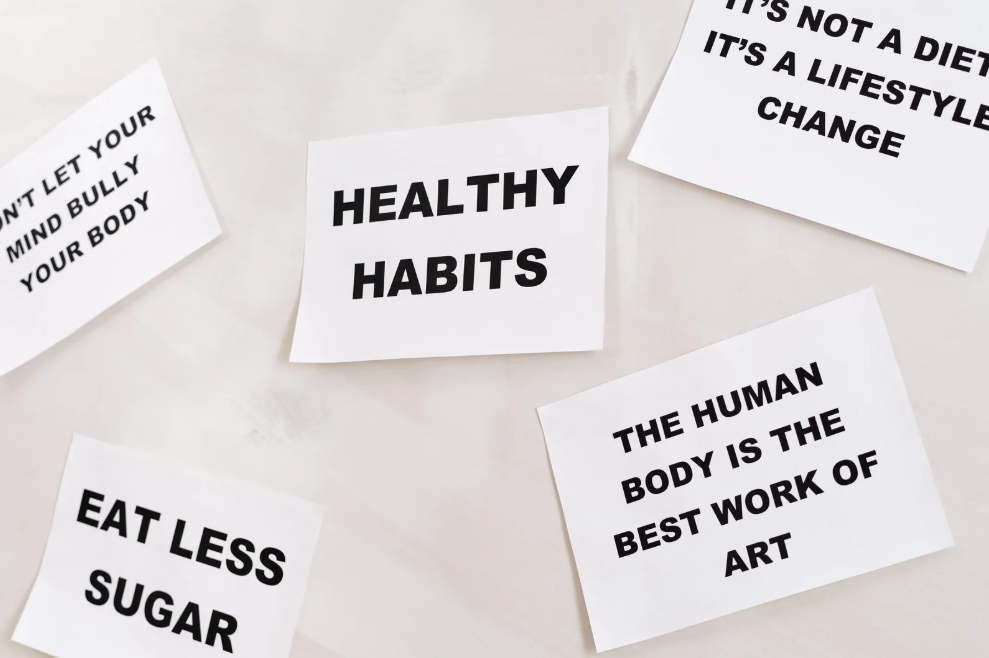
I often encourage clients to look at their environment before trying to overhaul their eating habits.
What is in your refrigerator?
What do you reach for when you’re hungry and pressed for time?
Are the foods you want to eat readily available, or do you have to make a dozen decisions before you can put together a nourishing meal?
A little preparation can go a long way.
Keep washed fruit visible. Have protein options ready. Stock your pantry with a few dependable staples. Prepare extra vegetables or protein when you cook so you have something available the next day.
And don’t underestimate the value of repetition.
You don’t need a different breakfast every morning or a completely new dinner idea every night. Having a few reliable meals that you enjoy can make eating well considerably easier.
You can introduce variety through different vegetables, herbs, seasonings, colors, and combinations.
Simple doesn’t mean boring.
It means removing unnecessary obstacles so you can focus on what matters.
The Bigger Picture
After decades of working with clients, I’ve learned that the challenge isn’t always knowing which foods are nutritious.
Often, it’s understanding how to put that knowledge into practice within the realities of everyday life.
You may have a demanding career, family responsibilities, travel, unpredictable schedules, or a level of stress that makes even simple decisions feel overwhelming.
You may also have spent years following different diets, only to find yourself back where you started.
That’s why I don’t believe in handing everyone the same meal plan and expecting it to work.
I want to understand your health history, your daily habits, your challenges, and what you’re trying to accomplish.
Then we can develop a strategy that makes sense for your body and your life.
You don’t need another set of rules to follow.
You need clarity about what works for you.
A Reflection for You
Before you make another change to your diet, take a moment to consider:
-
- Have I made eating well more complicated than it needs to be?
-
- Am I following advice because it is right for me, or because it’s the latest trend?
-
- What are three simple, nourishing foods I could make more accessible in my everyday life?
-
- What would change if I focused on consistency rather than perfection?
You don’t have to change everything at once.
Start with one practical choice. Build on it. Let it become part of your routine.
That’s how sustainable habits develop.
Let’s Make Your Nutrition More Personal
If you’re confused by conflicting nutrition advice, unsure what your body needs, or simply tired of trying one approach after another, let’s talk.
I offer an initial discovery call to learn more about your health concerns, what you’ve tried, and what you’re hoping to achieve.
With more than 30 years of experience in clinical nutrition, I can help you look beyond the latest trends and begin identifying a practical, personalized strategy for your health.
You don’t need another wellness program. You need a health strategy that makes sense for you.
Click the link below to schedule your call:
https://calendly.com/monika-coachingforhealth