

For many women, weight loss after 45 feels completely different than it did in their 20s and 30s.
The same eating habits no longer work. Belly fat becomes more stubborn. Energy drops. Sleep changes. Muscle tone feels harder to maintain. And despite doing “all the right things,” the scale often refuses to move.
The truth is midlife weight changes are not simply about calories or willpower.
Hormonal shifts, stress, muscle loss, sleep disruption, insulin resistance, and changing metabolism all play a role. That is why the conversation around health after 45 needs to evolve beyond dieting alone.
Today, more women are exploring both natural strategies and medications like Ozempic and Wegovy – but the real goal is not simply losing weight.
It is rebuilding energy, strength, metabolism, and confidence in your body again.
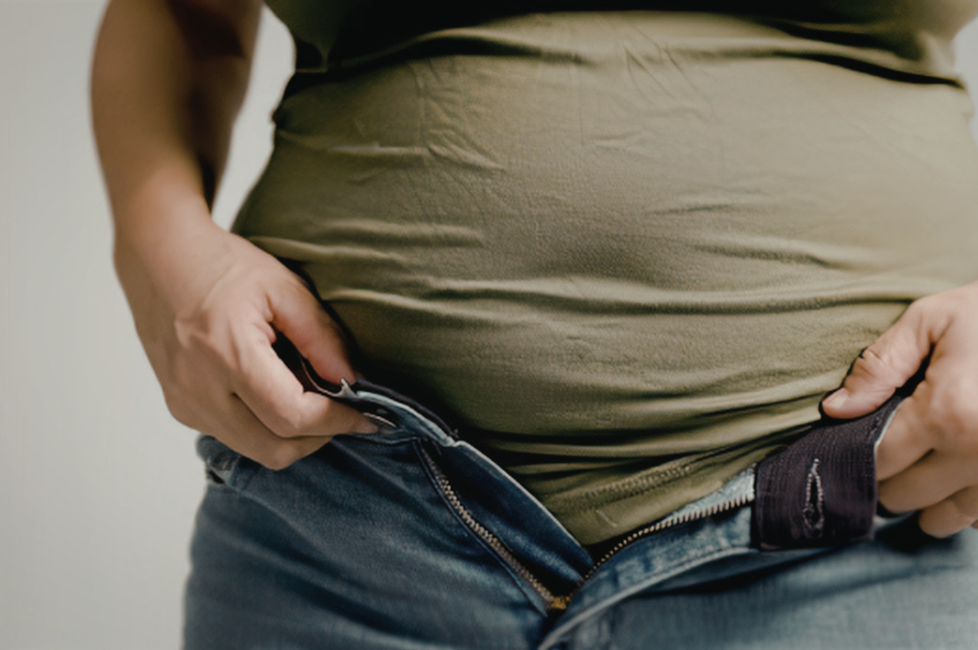
Why Midlife Weight Gain Happens
As estrogen levels fluctuate during perimenopause and menopause, the body often becomes more sensitive to stress, blood sugar swings, poor sleep, and muscle loss.
Many women notice:
- Increased belly fat
- More cravings
- Lower energy
- Slower recovery
- Trouble sleeping
- Greater difficulty maintaining muscle tone
At the same time, life itself becomes heavier. Careers, caregiving, aging parents, emotional stress, and years of putting everyone else first can begin to catch up physically.
One of the biggest hidden changes is the gradual loss of lean muscle mass that naturally occurs with age. Since muscle helps regulate metabolism, losing it can make weight management feel far more difficult.
This is why extreme dieting often backfires after 45. Women may lose weight temporarily but also lose muscle, energy, and long-term metabolic resilience.
The New Priorities: Protein, Fiber, and Strength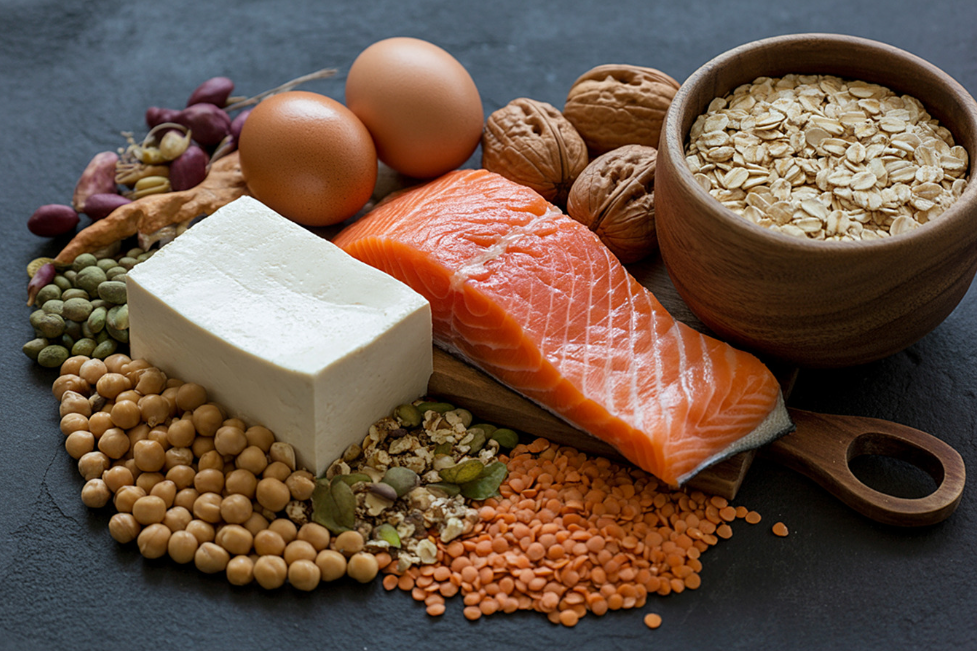
Instead of focusing only on restriction, women in midlife benefit far more from supporting the body strategically.
Protein First
Protein becomes increasingly important after 45 because it helps:
- Preserve lean muscle
- Support metabolism
- Stabilize blood sugar
- Reduce cravings
- Improve satiety and recovery
Many women simply are not eating enough protein, especially earlier in the day.
A protein-first approach may include:
- Eggs or turkey bacon at breakfast
- Protein smoothies
- Fish, chicken, tofu, or legumes at meals
- Balanced snacks instead of sugary grazing
Fiber Matters More Than Ever
Fiber supports:
- Digestion
- Hormone balance
- Cholesterol health
- Appetite regulation
- Gut health
- Blood sugar stability
Simple additions like vegetables, berries, beans, chia seeds, oats, and flax can make a meaningful difference.
Strength Training Supports Metabolism
Many women spend years trying to “burn calories” through excessive cardio while overlooking resistance training.
But muscle is now part of the metabolism conversation.
Strength training supports:
- Lean muscle preservation
- Bone health
- Insulin sensitivity
- Energy
- Healthy aging
Even two or three sessions per week can dramatically improve body composition and metabolic health.
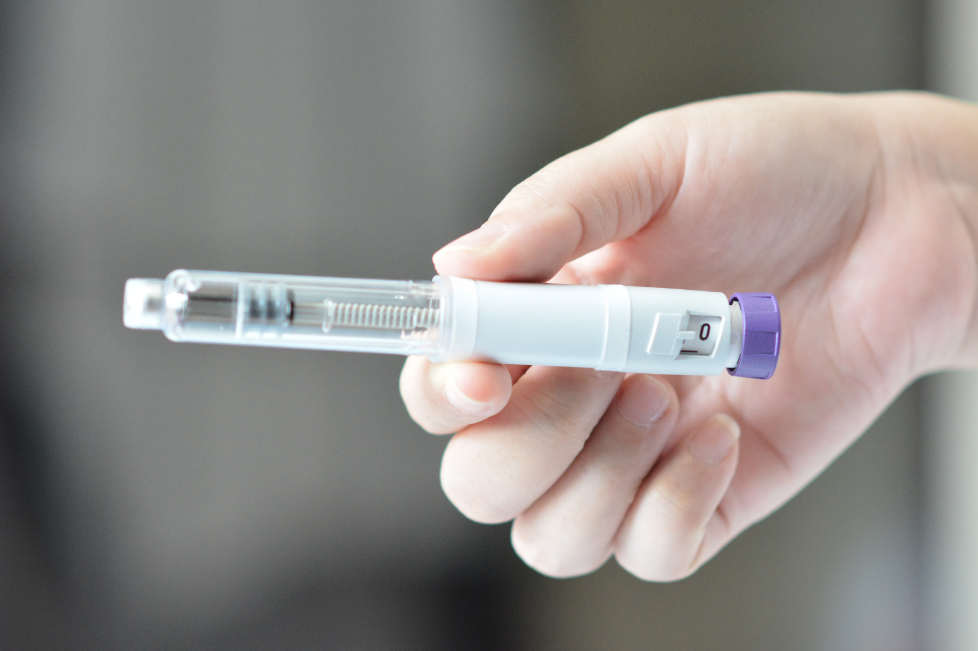
GLP-1 Medications: One Tool, Not the Entire Solution
GLP-1 medications have changed the landscape of weight loss for many women.
For some, they reduce appetite, improve blood sugar balance, and create meaningful weight loss after years of struggle.
But medications alone do not teach women how to nourish themselves, preserve muscle, or build sustainable habits.
That is why nutritional and lifestyle support matters so much.
Amanda’s Story: Supporting Muscle and Metabolism on GLP-1s
Amanda came to see me after starting Ozempic. She loved her physician and was encouraged by her progress, but she quickly realized she needed deeper nutritional and lifestyle guidance while on the medication.
Her doctor advised her to work with a clinical nutritionist to help preserve muscle mass, support energy, and maintain healthy habits during weight loss.
Together, we focused on:
- Protein-first meals
- Hydration and electrolytes
- Resistance training
- Digestive support
- Balanced nutrition rather than extreme restriction
A year later, Amanda is at her goal weight, maintaining her muscle tone, feeling energized, and thriving. Most importantly, she approached the medication as part of a larger health strategy rather than relying on it alone.
She often says she feels healthier now — not just thinner.
The Seven-Day Midlife Refresh
Instead of another extreme plan, try focusing on small shifts that support metabolism and energy.
For the next seven days:
- Eat protein at every meal.
- Add one extra serving of vegetables daily.
- Drink more water than usual.
- Walk for 10 minutes ½ hour or more after meals.
- Strength train at least twice this week.
- Reduce one ultra-processed food you eat regularly.
- Prioritize sleep instead of perfection.
The goal is not punishment.
The goal is creating a stronger, more resilient body for the next chapter of life.
Because after 45, health is no longer only about weight loss.
It is about protecting your metabolism, preserving your strength, supporting your hormones, and feeling like yourself again.