



For many people today, digestion has become something they worry about, monitor closely, or try to “fix.” Bloating, irregular bowel movements, gas, or feeling overly full can quickly create anxiety around food and eating.
Yet digestion is not meant to feel complicated or stressful. In fact, most digestive systems respond best to simple, nourishing, traditional foods and relaxed eating habits.
Instead of focusing on restriction or chasing the latest gut health trend, a more supportive approach is what I call digestive confidence – learning to eat in a way that helps your body feel steady, comfortable, and predictable.

What Is Digestive Confidence?
Digestive confidence is the ability to eat without fear or constant second-guessing. It means understanding which foods generally support digestion, recognizing how your body responds, and trusting that your digestive system is capable and resilient.
Rather than searching for perfect diets or quick fixes, digestive confidence focuses on creating daily eating patterns that naturally support the gut.
Foods That Commonly Support Comfortable Digestion
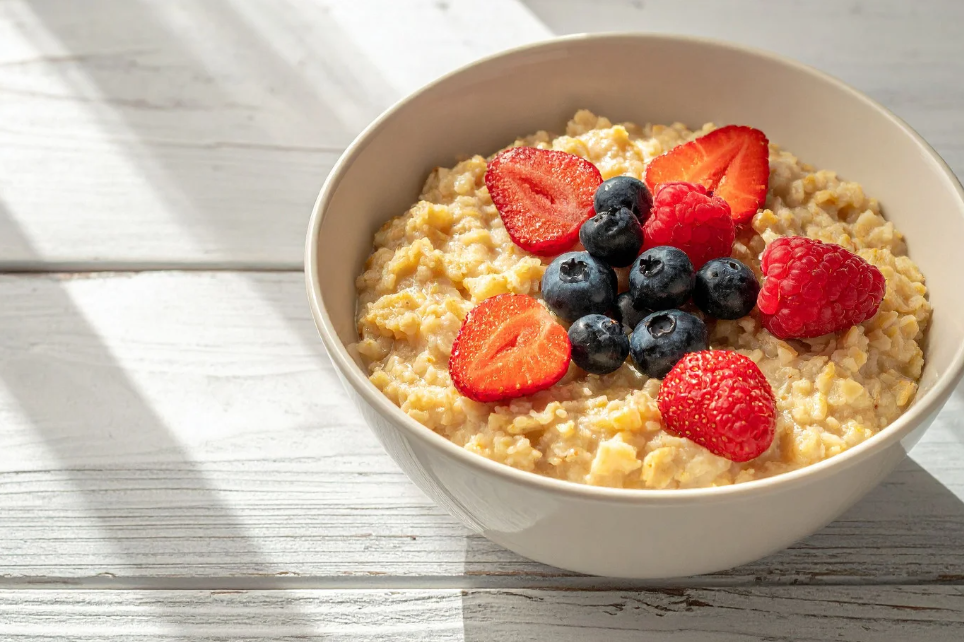
Fiber-Rich Foods That Nourish Without Overwhelming
Fiber plays an important role in bowel regularity and gut health. However, many people experience discomfort when they dramatically increase fiber or rely heavily on raw foods.
Gentle, well-tolerated fiber sources include:
- Cooked oatmeal
- Chia seeds (soaked)
- Ground flaxseed
- Kiwi
- Sweet potatoes
- Cooked vegetables such as zucchini, carrots, and spinach
Cooked vegetables and grains are often easier to digest than raw versions, especially during colder months or when digestion feels sensitive.
Gradually introducing fiber allows the digestive system to adjust comfortably.
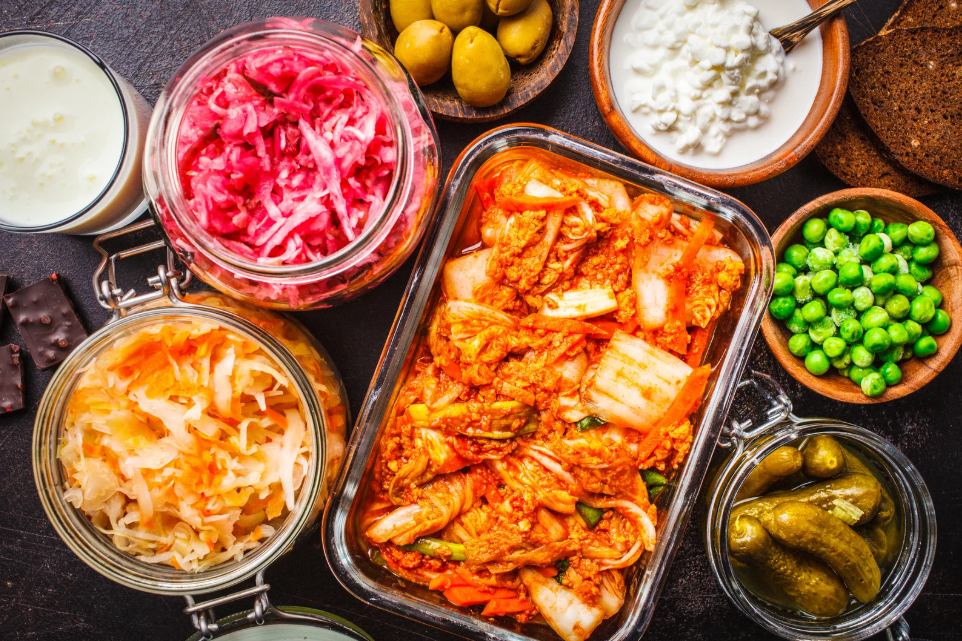
Fermented Foods That Support the Gut Microbiome
Fermented foods introduce beneficial bacteria that help support balance within the digestive tract. Consistency is more helpful than large amounts.
Helpful fermented foods include:
- Yogurt with live cultures
- Kefir
- Sauerkraut in small servings
- Kimchi
- Miso
Many people notice improvement in digestion when fermented foods are introduced slowly and eaten regularly.
Mediterranean-Style Foods That Promote Digestive Balance
The Mediterranean style of eating continues to be strongly associated with digestive comfort and overall health. It emphasizes whole, nourishing foods that are naturally anti-inflammatory and easy for most people to tolerate.
Key digestive-supporting foods include:
- Extra virgin olive oil
- Fish such as salmon or sardines
- Cooked lentils and legumes
- Rice and quinoa
- Lightly cooked leafy greens
This approach supports digestion without relying on extreme food rules or elimination diets.

Foods That Help Reduce Bloating and Gas
Many traditional foods gently support digestive movement and reduce gas buildup.
These include:
- Ginger
- Peppermint
- Fennel
- Bananas
- Rice
- Eggs
- Bone broth
- Light soups and stews
These foods are particularly helpful when digestion feels sluggish or unsettled.
Foods That Encourage Regular Bowel Movements
Certain foods are especially effective in supporting comfortable and predictable bowel patterns.
Commonly helpful options include:
- Kiwi
- Prunes or prune juice
- Oats
- Chia seeds
- Warm fluids such as herbal teas or warm water
Hydration plays a critical role in bowel regularity and should always accompany fiber intake.
How Food Is Eaten Matters as Much as What Is Eaten

Digestive confidence also involves eating habits that support the body’s natural digestive process.
Helpful practices include:
- Eating slowly and chewing thoroughly
- Sitting down and minimizing distractions while eating
- Avoiding overeating or rushing meals
- Maintaining regular meal timing
- Taking gentle walks after meals
These simple habits activate the body’s natural “rest and digest” response, which allows the digestive system to function efficiently.
Moving Away From Food Fear
Many people begin to feel anxious about eating when digestive symptoms occur. It is important to remember that occasional bloating or discomfort is common and does not mean something is wrong with your body.
Digestive systems are responsive and adaptable. Most people benefit from focusing on nourishment, consistency, and body awareness rather than strict food rules.
Building Your Own Digestive Confidence
Digestive confidence grows when you:
- Choose mostly whole, gently prepared foods
- Introduce new foods gradually
- Notice which foods help you feel comfortable and energized
- Stay hydrated
- Create relaxed, consistent eating patterns
Over time, this approach allows the digestive system to function with less strain and more predictability.
A Gentle Reminder
Your digestive system is designed to work for you, not against you. When supported with balanced foods, mindful eating habits, and patience, most digestive systems regain stability and comfort.
Digestive confidence is not about perfection. It is about developing trust in your body and choosing foods and habits that help you feel well.
If you experience ongoing or severe digestive symptoms, it is always wise to seek medical evaluation. For everyday digestive discomfort, however, small, consistent dietary and lifestyle choices often make a meaningful difference.