

It’s not because you’ve lost your discipline. Your body has changed – and your strategy needs to change with it.
Maybe you’ve noticed it. The same diet that worked beautifully in your 30s doesn’t seem to work anymore. You cut back. You exercise more. You try to be “good” during the week. And yet the scale barely moves – or the weight comes back as soon as you stop restricting.
You may even find yourself thinking:
“Why is this so much harder than it used to be?”
First, let me tell you something I tell my clients:
It’s not necessarily your willpower.
Your body at 45, 50, 55, 60, or beyond isn’t the same body you had at 30. That doesn’t mean you’re destined to gain weight. It means you need to understand what’s changed.
Muscle Changes the Equation

One of the most important changes as we age is the gradual loss of muscle mass.
Muscle is metabolically active tissue. It helps determine how much energy your body uses and plays an important role in blood sugar regulation, strength, mobility, and overall metabolic health. When we lose muscle and don’t actively work to maintain or rebuild it, our bodies may burn fewer calories at rest.This is one reason simply eating less can become increasingly frustrating. You may be eating fewer calories—but you may also be losing more muscle.
The goal isn’t simply to make the number on the scale smaller. It’s to preserve the metabolically active, strong body underneath it.
That means resistance training and adequate protein become increasingly important as we get older.
Hormones Are Part of the Picture
Hormonal changes also influence how your body responds to food, stress, sleep, and exercise. For women, the years surrounding menopause can bring significant changes in estrogen and other hormones.
You may notice changes in:
- Where you carry weight
- Appetite and cravings
- Sleep
- Energy
- Muscle mass
- Body composition
This doesn’t mean hormones are solely responsible for weight gain. But they are part of a much bigger picture. And when several changes happen at the same time, the strategy that worked in your 30s may no longer be enough.
Blood Sugar Matters
Here’s another piece that doesn’t get enough attention. How your body handles glucose – the sugar circulating in your bloodstream – can change over time. Stress, poor sleep, inactivity, meal patterns, food choices, and changes in body composition can all influence blood sugar regulation and insulin sensitivity.
You may recognize the cycle:
You skip breakfast or grab something quick.
You get hungry.
- You reach for something sweet or carb-heavy.
- You get a temporary boost.
- Then comes the crash.
- And you’re hungry again.
This isn’t about labeling carbohydrates as “bad.” It’s about creating meals that give your body the nutrients it needs to maintain steadier energy and blood sugar.
- Protein.
- Fiber-rich carbohydrates.
- Healthy fats.
- Whole, minimally processed foods.
- And meals that are satisfying enough that you’re not spending the afternoon fighting cravings.
Your Gut Is Part of the Conversation
We’re also learning more about the enormous role the gut microbiome plays in overall health. Your digestive system isn’t simply a tube that processes food. The trillions of microorganisms living in your gut interact with your immune system, metabolism, digestion, and other systems throughout your body. Diet, stress, sleep, medications, age, and lifestyle can all influence your gut microbiome. That doesn’t mean you need to buy every probiotic on the shelf.It means your overall eating pattern matters.
A variety of plant foods, adequate fiber, fermented foods when tolerated, and a diverse diet can help support a healthier gut environment.
Your gut doesn’t need perfection. It needs nourishment and variety.
Then There’s Stress
This one is huge.
You can eat beautifully and exercise regularly, but if your nervous system is constantly operating under stress, your body is receiving a very different set of signals. Chronic stress can affect cortisol, sleep, appetite, blood sugar regulation, food choices, and where your body tends to store fat. And let’s be honest. Many women over 45 aren’t simply dealing with their own responsibilities. They’re managing businesses and careers, children and grandchildren, aging parents, relationships, households, and everyone else’s needs.
Sometimes your “diet problem” isn’t really about food. It’s about the fact that you’re running your entire life on empty.
Inflammation Adds Another Layer
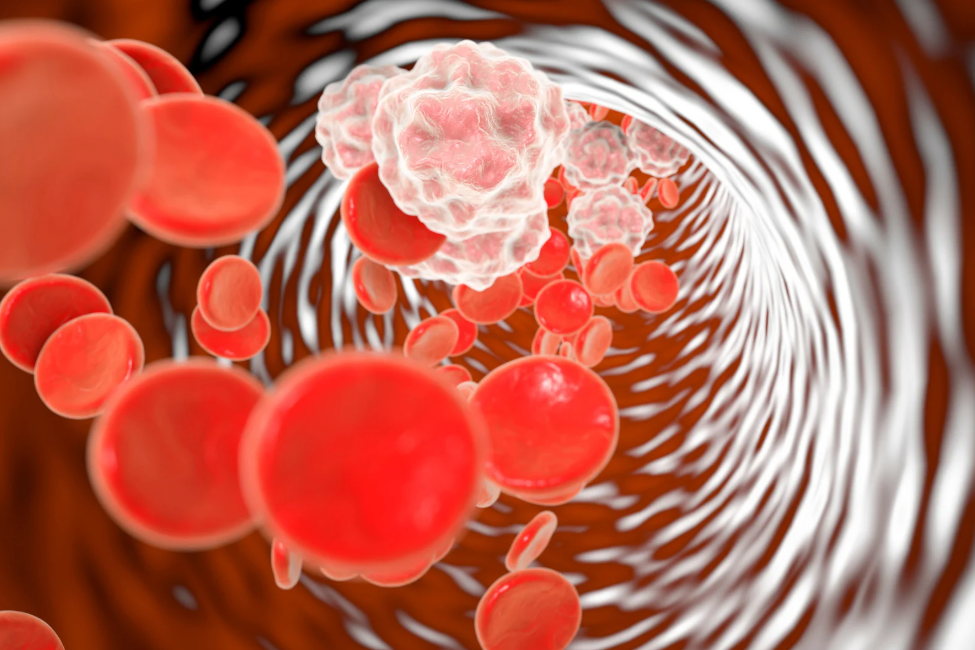
Inflammation is another piece of the puzzle. Acute inflammation is a normal and necessary part of the body’s response to injury or infection. But chronic, low-grade inflammation is associated with a number of health conditions and can be influenced by factors including excess body fat, poor sleep, chronic stress, diet, inactivity, and other lifestyle factors.
Again, this is why there’s rarely one magic answer. Your body is an interconnected system.
What happens in one area can affect another.
- Sleep affects appetite.
- Stress affects sleep.
- Muscle affects glucose regulation.
- Food affects the gut.
- The gut interacts with the immune system.
- And your emotional state can influence all of it.
That’s why I don’t believe in looking at weight as an isolated problem.
So What Should You Do Differently?
Instead of asking:
“What diet should I go on?”
I encourage women to ask:
“What does my body need now?”
- Maybe it’s more protein.
- Maybe it’s strength training.
- Maybe it’s a more consistent eating pattern.
- Maybe it’s more fiber and variety.
- Maybe it’s better sleep.
- Maybe it’s reducing the chronic stress you’ve been treating as normal.
- Maybe it’s learning to stop eating on autopilot.
- Maybe it’s a combination of several things.
This is where personalized nutrition becomes so important. There isn’t one perfect diet for every woman over 45. Your history, lifestyle, preferences, stress, sleep, activity, metabolism, and goals all matter. The answer isn’t necessarily to eat less. It may be to nourish better, move differently, recover more, and understand what your individual body needs.
You Haven’t Failed
If you’ve tried diet after diet and you’re frustrated because the results don’t last, please don’t automatically blame yourself. You haven’t necessarily lost your discipline. You haven’t necessarily “ruined” your metabolism. And you certainly don’t need another punishing diet.
Your body has changed.
Your strategy needs to change with it. The goal isn’t to return to the body you had at 30. The goal is to create the healthiest, strongest, most energized version of the body you have today. And that is possible.
Your metabolism isn’t broken.
It simply needs a different strategy.
This Week’s ReflectionInstead of asking yourself, “How can I lose weight?”, try asking: “What is one thing my body needs more of right now?”
Choose one. You don’t have to change everything at once. Sometimes the most powerful health transformation begins with one small change that your body can sustain. |