

Have you ever wondered why the harder you try to lose weight, the more stubborn it becomes?
For years, we were told the answer was simple: eat less and exercise more.
Today we know better.
Our bodies are influenced by hormones, sleep, stress, nutrition, movement, and even the emotional demands of everyday life. Weight isn’t just about calories – it’s about biology.
If you’ve been “doing everything right” and still struggling, these hidden factors may be part of the story.
Cortisol: Your Stress Hormone
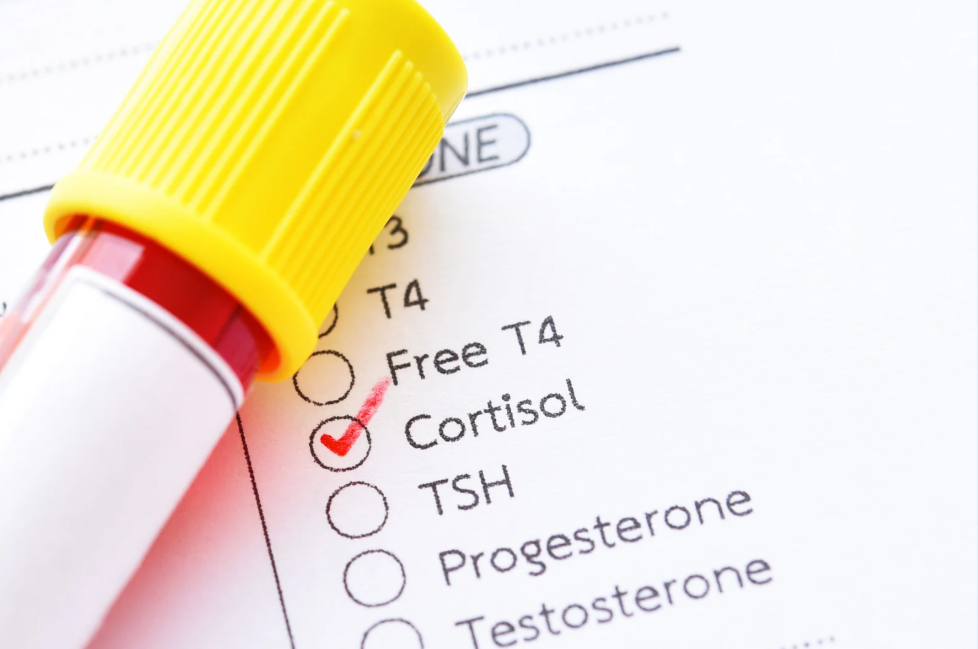
You’ve probably heard of cortisol. It’s often called the stress hormone, but cortisol isn’t the enemy. In fact, it’s essential for life.
Cortisol naturally peaks in the morning to help wake us up and give us energy for the day. The problem occurs when stress keeps cortisol elevated for hours – or even months at a time.
When cortisol stays high, your body receives the message that it’s living through a crisis. It becomes more likely to conserve energy, store fat (especially around the abdomen), increase cravings, and make weight loss much more difficult.
I experienced this firsthand while caring for my husband during his seven years of serious illness. My sleep was interrupted night after night. Living with the uncertainty of whether he would make it through the night kept my nervous system on high alert.
During those years, losing weight wasn’t even on my radar. Survival was.
Despite eating well, I gained nearly 20 pounds. Looking back, my body wasn’t failing me – it was trying to protect me during one of the most stressful seasons of my life.
Blood Sugar and Insulin
Stress doesn’t just affect your mind; it affects your metabolism.
When meals are skipped, eaten irregularly, or consist mostly of refined carbohydrates, blood sugar can swing up and down throughout the day. Those swings trigger insulin, the hormone that helps move glucose into your cells.
Frequent spikes in insulin can encourage fat storage, increase cravings, drain your energy, and leave you reaching for another cup of coffee or something sweet just to get through the afternoon.
Balanced meals with protein, fiber, and healthy fats help create steadier energy and more stable blood sugar.
Sleep: The Unsung Hero

If I could choose one habit that dramatically affects metabolism, it would be sleep.
Poor sleep changes the hormones that regulate hunger and fullness, increases cortisol, disrupts blood sugar, and makes healthy choices much harder the next day.
I’ve noticed something in my own life: if I spend even ten minutes scrolling on my phone before bed, I don’t sleep as deeply. My nervous system feels more activated, and I wake up less refreshed.
Sometimes the simplest habits make the biggest difference.
The Emotional Load We Carry
Many women aren’t just managing their own lives.
They’re supporting aging parents, helping adult children, caring for spouses, managing teams, volunteering, and saying “yes” far more often than they say “no.”
That invisible emotional load has a physiological cost.
Learning to set healthy boundaries isn’t selfish. It’s one way we protect our physical and emotional well-being.
Decision Fatigue
Every decision requires energy.
Busy women make hundreds of decisions every day – at work, at home, for their families, and often for everyone around them.
No wonder we feel mentally exhausted by evening.
One of the simplest ways to reduce decision fatigue is to build small moments of recovery into your day.
After a meeting, close your eyes for five minutes. Take a short walk. Step outside. Spend a few minutes with your dog. Take several slow, deep breaths before jumping into the next task.
These small pauses give your brain and nervous system an opportunity to reset.
It’s Not About Trying Harder
Highly successful women often assume they simply need more discipline.
In reality, many of them need more recovery.
Your body responds differently when it feels safe, nourished, rested, and supported.
Perhaps you’re already sleeping well but carrying too much emotional responsibility.
Maybe you’re eating nutritious foods but rarely taking a break.
Or perhaps your work demands so much of you that there’s little left for yourself by the end of the day.
Rather than asking, “What should I do more of?”
Try asking,
“What does my body need from me today?”
Sometimes the answer isn’t another workout or another diet.
Sometimes it’s rest.
Sometimes it’s nourishment.
Sometimes it’s permission to pause.
Small, consistent acts of self-care aren’t a luxury – they’re an investment in the health and vitality that allows you to continue showing up for the people and work you care about.
This Week’s ReflectionWhat’s one thing you can take off your plate this week – or gently say “no” to? What small act of self-care would create a little more space to breathe? Remember, saying “no” to one unnecessary obligation is often saying “yes” to your health. You don’t have to do everything. You simply need to care for yourself with the same compassion you so freely offer everyone else. |