


The holidays are a time for good food, good company, and celebration. They’re also a good time to remember that digestion needs a little attention, too.
As Thanksgiving approaches and we prepare to enter the holiday season, I’d like you to consider something that may seem simple but is often overlooked.
Give yourself time to eat.
Not just time to put food on your plate, but time to prepare your body for a meal, enjoy your food, and allow your digestive system to do its work afterward.
I know. You’re probably thinking, I barely have time to get everything done. Now you’re asking me to slow down when I eat, too?
Yes. And there’s a good reason.
Digestion doesn’t begin and end with what you put in your mouth. Your nervous system plays an important role in preparing your body to receive and process food.
When you’re rushing, eating at your desk, answering emails between bites, or thinking about the next five things you need to do, you’re not giving yourself much opportunity to relax and enjoy your meal.
Your body needs nourishment, but it also needs the time and conditions to digest that nourishment.
Your Gut Likes a Little Breathing Room
Think about the last time you ate while rushing from one responsibility to another.
Perhaps you barely tasted your food. You ate quickly, swallowed without thinking, and went straight back to work.
Now compare that with sitting down, taking a few breaths, enjoying the aroma of your food, chewing slowly, and allowing yourself to pause between bites.
Those are two very different experiences.
When you’re relaxed, your body is better positioned to engage its parasympathetic nervous system – often called the “rest and digest” response. This supports digestive activity, including the processes involved in moving food through your digestive tract.
That doesn’t mean you need to meditate before every meal or turn lunchtime into a complicated ritual.
It means making a little room for yourself.
Try putting your phone aside. Sit down. Take a few comfortable breaths. Eat slowly enough to notice when you’re satisfied. And give yourself a little time afterward rather than immediately rushing into the next activity.
These small adjustments can make mealtimes more comfortable and enjoyable.
Your Gut Is Home to a Remarkable Community
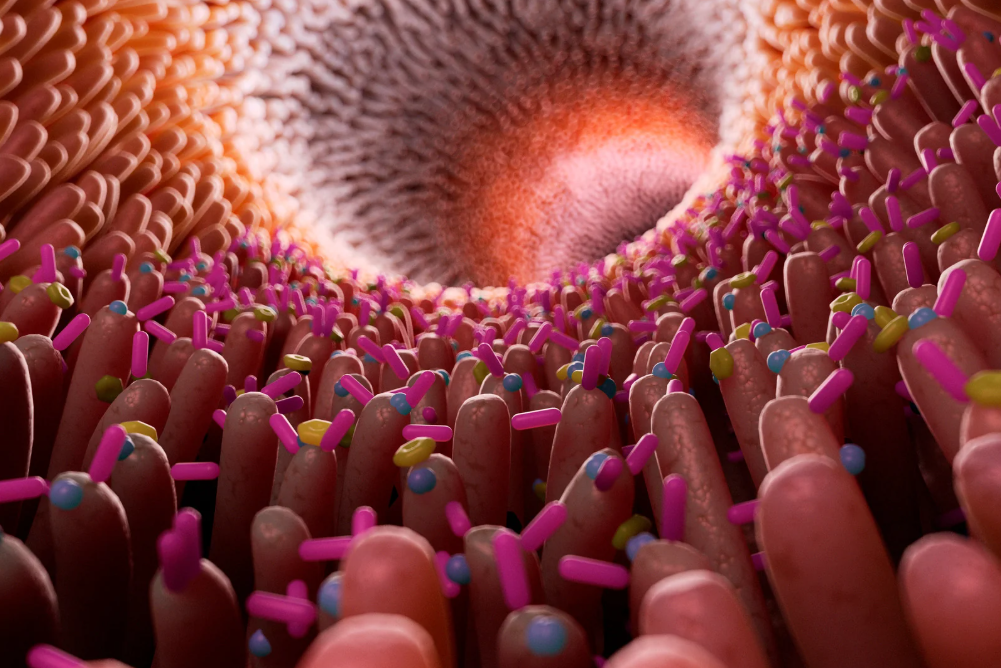
We are not just human cells walking around. Our bodies are also home to an enormous community of microorganisms, including bacteria, that play important roles in our health.
Many of these microorganisms live in the digestive tract, particularly the large intestine. Together with their genetic material and the environment in which they live, they make up what we call the gut microbiome.
This community helps us digest certain components of food, produces substances that interact with our metabolism and immune system, and contributes to the health of the intestinal environment.
It’s a fascinating relationship.
And it’s one reason I talk so often about taking care of your gut.
The foods you eat, the variety of plants in your diet, your sleep, physical activity, stress, and other lifestyle factors can all influence the gut microbiome.
When your digestive system isn’t functioning comfortably, you may notice symptoms such as bloating, irregular bowel movements, or changes in appetite. Persistent or recurring symptoms deserve attention rather than simply being dismissed as part of getting older or eating too much during the holidays.
Your gut is worth looking after throughout the year – not just after a large holiday meal.
Food First. Then Consider What Else You May Need.
I always come back to the fundamentals.
Before reaching for another supplement, look at what you’re eating and how you’re eating it.
Are you getting enough fiber from vegetables, fruits, beans, nuts, seeds, and whole grains?
Are you including a variety of foods that nourish your gut microorganisms?
Are you eating enough protein?
Are you drinking enough water?
Are you giving yourself time to eat rather than treating meals as interruptions to your day?
These are good places to begin.
There may also be situations where a probiotic, digestive enzymes, or other nutritional supplement is appropriate. But supplements are not interchangeable, and more isn’t necessarily better. The right choice depends on your individual circumstances, symptoms, health history, and medications.
If you’re frequently experiencing heartburn, indigestion, or other digestive discomfort, don’t simply assume you need an acid-relief product or digestive supplement. There can be different causes, and persistent symptoms deserve an appropriate evaluation.
Start with the food, the habits, and the circumstances. Then determine whether additional support is warranted.
Imagine Your Thanksgiving Dinner

I’d like you to try a little visualization.
Imagine yourself sitting at your Thanksgiving table.
The food is ready. The room is warm and inviting. There’s good company, conversation, and laughter.
You’re comfortable.
You’re not rushing to finish because you have something else to do. You’re not mentally running through the list of dishes that still need to be served or worrying about what has to happen afterward.
You’re enjoying the people around you.
You’re tasting your food.
You’re taking your time.
You’re present.
Now imagine carrying that same feeling into the holidays.
What if you didn’t have to approach every day as a race to the finish line?
What if you allowed yourself a few pauses throughout the day – especially at mealtimes?
This isn’t about having a perfect holiday or following a strict set of rules.
It’s about recognizing that your health is part of the celebration, too.
Restoration Is Part of Good Gut Health
We often focus on what we should eat, but we don’t always give enough attention to what happens between meals.
Sleep. Movement. Rest. Recovery. Time to unwind.
These are not extras. They’re part of the environment in which your body functions.
Your nervous system and immune system are closely interconnected, and both communicate with the gut. The gut microbiome also interacts with these systems in complex ways.
This is why I look at more than food when working with someone who has digestive concerns.
We need to understand the bigger picture.
Are you sleeping well?
Are you under constant pressure?
Are you moving your body regularly?
Are you allowing time for restoration?
Are you eating in a way that supports your energy and digestive health?
Sometimes the first step isn’t to add more activity, more supplements, or another restrictive food plan.
Sometimes it’s to calm the pace, establish a more supportive routine, and give your body a chance to recover.
Before you try to energize an exhausted system, consider what it needs to restore.
A Reflection for You
As you head into Thanksgiving and the holiday season, ask yourself:
- Do I give myself enough time to eat, or am I constantly eating on the run?
- Do I notice how I feel when I eat slowly and without distractions?
- Am I choosing a variety of nourishing foods that support my digestive health?
- What could I change about my daily routine to make more room for rest and recovery?
- What is one small pause I can give myself each day?
You don’t need to overhaul your life before Thanksgiving.
Start with one meal.
Sit down. Take a breath. Enjoy your food.
Your body deserves that time.
Is It Time for a Gut Reset?
If digestive discomfort, low energy, irregular habits, or uncertainty about what to eat have become part of your everyday life, it may be time to take a closer look.
My Gut Reset & Restoration Program is designed to help you understand what’s happening in your health and develop a practical, personalized approach to supporting your digestive health.
Over three sessions across six weeks, we’ll explore:
- Your current health concerns, symptoms, and eating patterns.
- Your personal and family health history.
- Your nutritional habits and lifestyle factors, including sleep, stress, movement, and recovery.
- Practical changes that fit your body, your schedule, and your life.
This isn’t a generic meal plan or a one-size-fits-all supplement protocol. It’s an opportunity to look at the bigger picture and determine what changes may be most helpful for you.
Three personalized sessions over six weeks $597
If you’re ready to understand your gut health more fully and explore what a personalized strategy could look like, I’d love to talk:
Schedule a discovery call: https://calendly.com/monika-coachingforhealth
Let’s start with a conversation about what’s happening now and what you’d like to feel different.
In the meantime, enjoy the warmth, the bright lights, the good company, and the nourishing food this holiday season.
And remember to take a pause.